Lift Station & Pump System Services In The Lucedale, MS Area




Opening hours
Our Specialized Lift Station & Pump System Services in Lucedale, MS
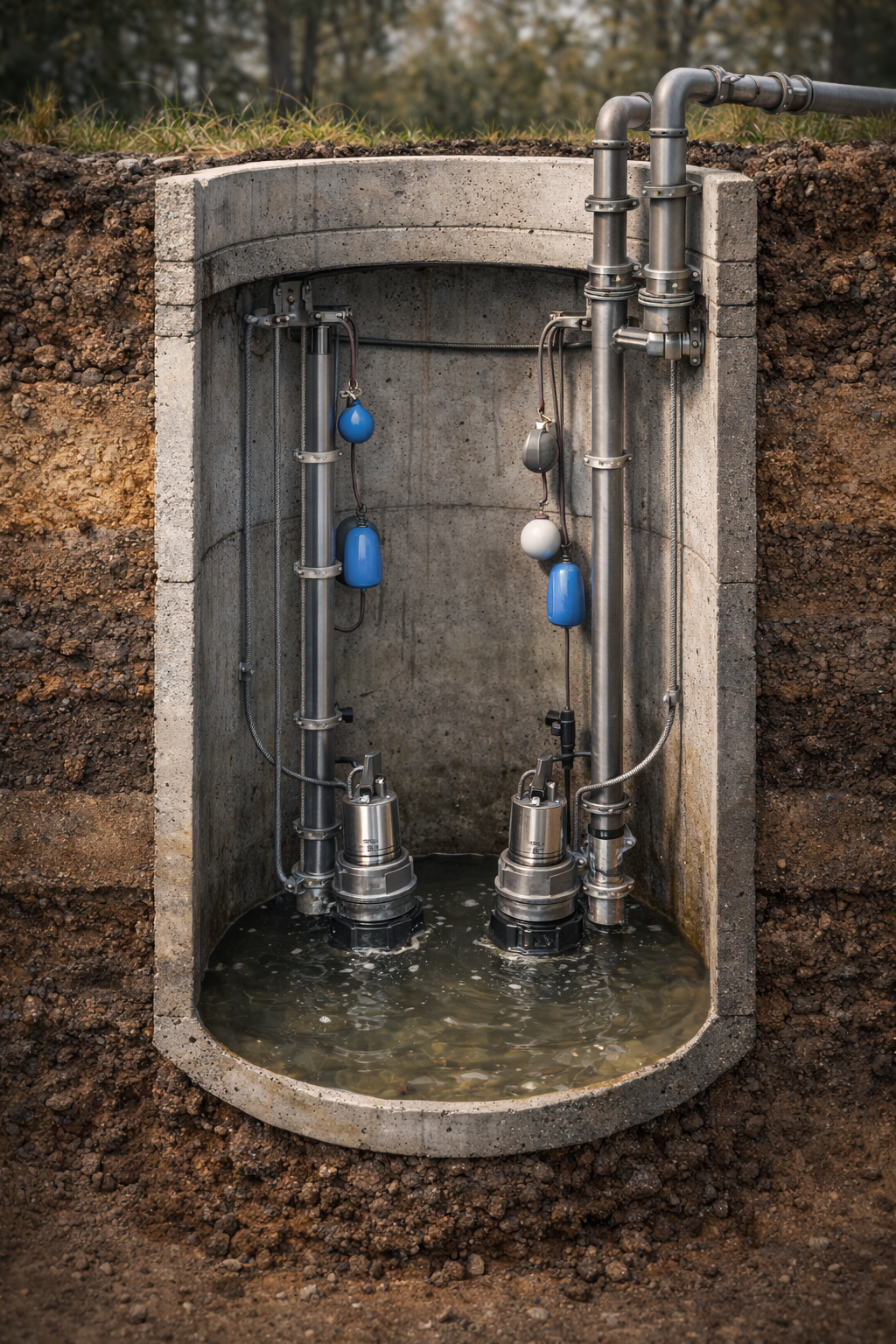
Lift station and pump system services support the movement of wastewater when gravity alone cannot. These systems transfer wastewater from lower elevations to higher discharge points, ensuring that sewer and septic infrastructure function properly. In Lucedale, MS, lift stations often manage fluctuating flows tied to daily use, rainfall, and property layout, making steady operation essential to prevent backups and system interruptions.
Our lift station and pump system services focus on keeping each component working together as intended. Pumps, controls, and flow pathways must respond consistently to changing conditions to move wastewater without delay. Addressing performance issues early helps stabilize operations, reduces strain on equipment, and supports dependable wastewater transfer across residential, commercial, and shared systems that rely on mechanical assistance.
Properties in Lucedale, MS, depend on lift stations and pump systems to operate quietly and consistently behind the scenes. Understanding how local conditions, usage patterns, and system design affect performance allows for a thoughtful service approach. Clear communication, careful evaluation, and attention to system behavior help support reliable operation and reduce the risk of unexpected disruptions tied to pump or lift station performance.

Types of Lift Station & Pump System Services We Offer in Lucedale, MS
Lift Station Pumping
Lift station pumping focuses on removing accumulated wastewater and solids that collect in the basin over time. Clearing this material allows pumps to operate without obstruction and respond properly to rising liquid levels. Regular pumping supports steady wastewater transfer, reduces strain on mechanical components, and helps prevent overflow conditions that can disrupt connected sewer or septic systems.
Lift Station Repair
Lift station repair addresses performance problems that interfere with normal pump operation or wastewater movement. This service focuses on correcting issues such as worn components, restricted flow paths, or inconsistent pump cycling. Restoring proper function helps stabilize system behavior, reduces unnecessary equipment stress, and supports dependable wastewater transfer during both routine use and periods of higher demand.
Lift Station Installation
Lift station installation involves setting up a system that moves wastewater from lower elevations to higher discharge points when gravity flow is not possible. This service includes installing the basin, pump, and controls to ensure wastewater flows smoothly. Proper installation supports consistent operation, protects surrounding infrastructure, and allows the system to handle variable flow without repeated interruptions.
Float Switch Replacement
Float switch replacement focuses on restoring accurate pump activation based on rising and falling wastewater levels. Float switches signal when pumps should turn on or off, guiding normal operation. Replacing worn or malfunctioning switches helps prevent overfilling, short cycling, or pump failure, supporting reliable system response and protecting pumps from unnecessary wear over time.
Sewage Ejector Pump Installation
Sewage ejector pump installation supports properties where plumbing fixtures sit below the main sewer line and cannot drain by gravity alone. This service places a pump that lifts wastewater upward into the main line for proper discharge. Correct installation supports consistent wastewater movement, reduces backup risk in lower levels, and allows the system to handle regular household or commercial use reliably.
Sewage Pump Replacement
Sewage pump replacement addresses systems where an existing pump no longer moves wastewater consistently due to wear, age, or reduced capacity. Failing pumps may struggle during normal demand or shut down unexpectedly. Replacing the pump restores reliable wastewater transfer, improves system responsiveness, and reduces the likelihood of sudden backups due to mechanical failure over time.
Control Panel Repair
Control panel repair focuses on restoring the component that manages pump operation, alarms, and timing sequences. The control panel receives signals from floats and directs when pumps activate or stop. Repairing panel issues helps prevent missed cycles, false alerts, or erratic behavior, supporting stable operation and protecting pumps from unnecessary electrical or mechanical stress.
Calibration
Calibration adjusts system settings so pumps, floats, and controls respond accurately to changing wastewater levels. Proper calibration helps pumps start and stop at appropriate points during normal use. This service supports balanced operation, reduces excessive cycling, and helps maintain consistent system performance as flow patterns and usage conditions change over time.
What Property Owners Can Expect During Our Lift Station And Pump System Service in Lucedale, MS

Reviewing How The System Responds During Normal Use
We begin by observing how the lift station or pump system operates during regular wastewater flow. Property owners often notice pump cycling patterns, alarm activity, or level changes before service begins. This step matters because observing real operations helps identify irregular behavior early, allowing attention to focus on components that affect reliable wastewater movement and overall system stability.

Checking Key Components That Control Wastewater Movement
Attention shifts to pumps, floats, control panels, and discharge paths that guide how wastewater moves through the system. Property owners may notice careful inspection rather than immediate adjustments. This step matters because these components must work together smoothly, and even small response issues can interrupt transfer from lower to higher elevations if left unaddressed.
Correcting Imbalances That Affect System Performance
Adjustments or servicing focus on issues such as buildup, wear, or delayed response that interfere with steady operation. Property owners often notice smoother cycling after corrections are made. This step matters because restoring balance reduces strain on pumps, supports consistent transfer, and helps the system handle daily demand without unnecessary stress or interruptions.
Confirming Stable Operation And Sharing System Awareness
After service actions are complete, we confirm that pumps activate properly and wastewater moves without alarms or irregular behavior. Property owners usually notice quieter, more predictable operations. This step matters because confirming stability verifies proper function and allows discussion of usage patterns or conditions that may influence future performance of lift station and pump systems in Lucedale, MS.

Our Service Area
Heavy Duty Pumping & Septic proudly serves a wide coverage area to support residential, commercial, and shared septic and pumping needs. Our Mississippi service area includes Lucedale, Hurley, Wade, McLain, Leakesville, Ocean Springs, Pascagoula, Agricola, Big Point, Vancleave, Gautier, Moss Point, Escatawpa, Gulfport, Wiggins, Perkinston, Latimer, Hickory Hills, Beaumont, Helena, Brooklyn, Saint Martin, Gulf Hills, and Gulf Park Estates. Our Alabama service area includes Wilmer, Semmes, Mobile, Calvert, Gulfcrest, Citronelle, Eight Mile, Chunchula, Saraland, Grand Bay, Satsuma, Chickasaw, Prichard, Tillmans Corner, Saint Elmo, Deer Park, Creola, Mount Vernon, Sims Chapel, Irvington, and Vinegar Bend.

How Lift Station And Pump System Services Help Prevent Unexpected System Failures
-
Proper lift station and pump system service ensure wastewater flows steadily from lower to higher elevations without hesitation or failure. Property owners often notice fewer alarms and smoother cycling after service. Consistent transfer matters because irregular movement places stress on pumps and controls, so maintaining stable operation supports dependable system performance during everyday use and peak demand periods.
-
Regular service reduces unnecessary strain on pumps, floats, and control panels by correcting issues that cause short cycling or delayed response. Property owners benefit from fewer sudden failures and more predictable operations. Protecting these components matters because pump systems rely on coordinated timing, and reducing wear helps extend equipment life while limiting disruptive breakdowns.
-
Lift station and pump system services help prevent conditions that lead to overfilling or wastewater reversing direction. Addressing performance issues early supports balanced flow and proper activation. This benefit matters because overflows can damage surrounding areas and interrupt property use, so stable system behavior provides practical protection against unexpected wastewater incidents.
-
Well-maintained lift station and pump systems respond more reliably as usage patterns and conditions change. Property owners gain confidence knowing the system operates as intended without constant monitoring. Long-term stability matters because reliable wastewater flow reduces stress on infrastructure and supports uninterrupted daily operations for residential, commercial, and shared systems.
FAQs - Lift Station & Pump System Services
For lift station and pump system services in Lucedale, MS, contact Heavy Duty Pumping
Consistent service helps ensure reliable wastewater flow, protects critical system components, and reduces the risk of unexpected interruptions across residential, commercial, and shared wastewater systems.