Soil, Excavation & Utility Services in Lucedale, MS




Opening hours
Our Professional Soil, Excavation & Utility Services in Lucedale, MS
Soil, excavation, and utility work play a critical role in septic projects and property infrastructure across Lucedale, MS. Our soil, excavation, and utility services support site preparation, system access, and ground restoration for residential and commercial properties. Work focuses on creating stable conditions below the surface so septic systems, utilities, and surrounding structures function as intended over time.
We approach each project with attention to ground conditions, access limitations, and nearby structures. Crews assess soil stability, manage digging depth, and coordinate utility exposure to support safe progress without unnecessary disruption. Property owners often notice organized staging and clear communication as excavation work progresses, which helps keep projects predictable and controlled from start to finish.
Heavy Duty Pumping & Septic provides soil, excavation, and utility services as part of a broader septic and site support offering. Experience with varied soil types and property layouts allows our work to adapt while remaining consistent. Properties in Lucedale, MS, benefit from careful ground handling that supports long-term system performance and protects surrounding areas during excavation activity.

Types of Soil, Excavation & Utility Services We Offer in Lucedale, MS
Excavation for Septic Repairs
We dig with precision to expose septic tanks, pipes, or damaged sections that require repair below ground. Homeowners often notice controlled excavation limited to the affected area rather than widespread digging. Focused access matters because accurate exposure allows repairs to proceed efficiently while protecting landscaping, driveways, and nearby structures from unnecessary disturbance.
Backfilling & Grading
We replace removed soil and carefully shape the ground after septic or utility work is completed. Homeowners usually notice smoother surfaces and improved drainage once the area is restored. Proper backfilling and grading matter because compacted soil supports system stability, reduces settling over time, and directs rainwater away from septic components.
Trenching for Septic Lines
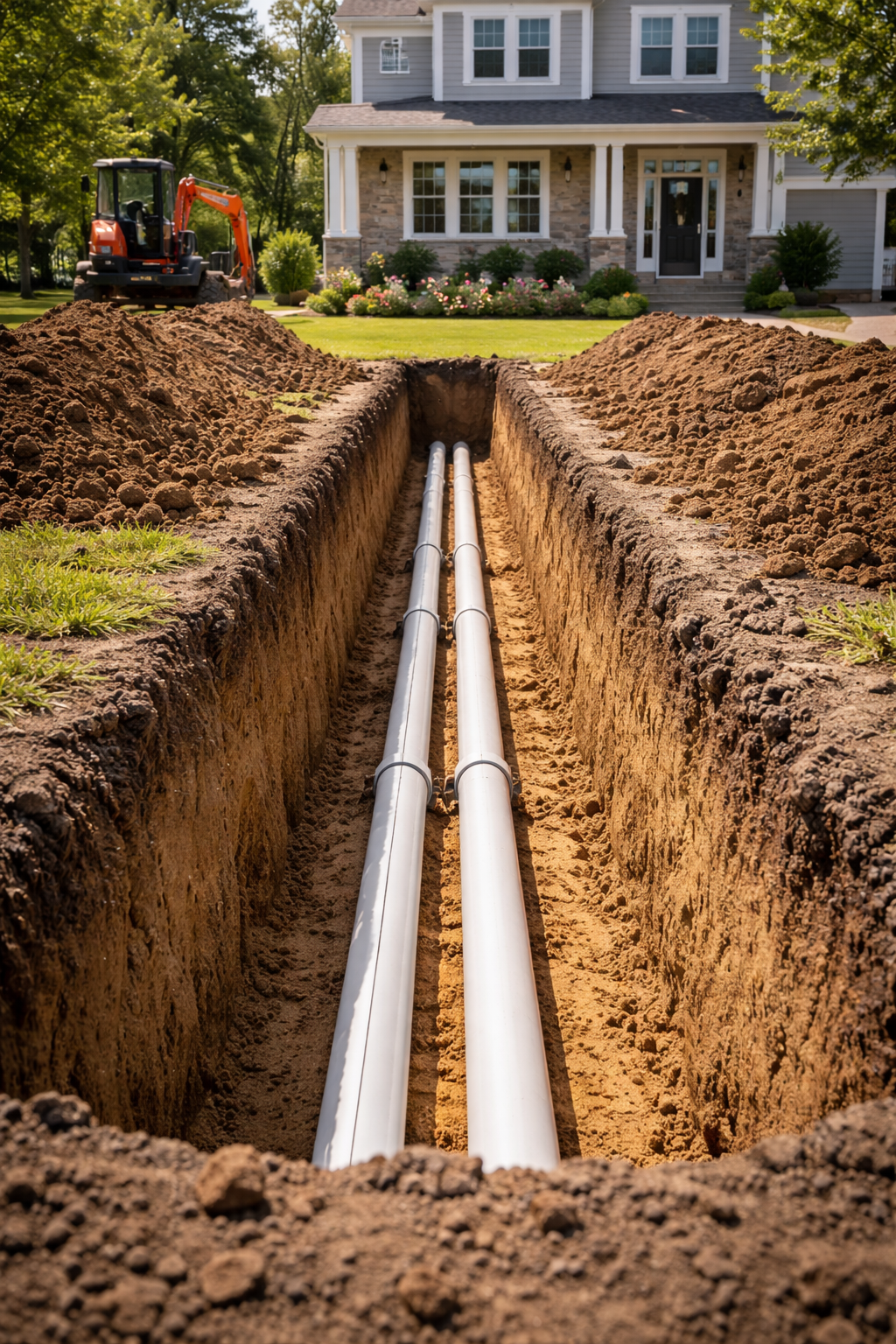
We create narrow trenches to install or access septic lines that move wastewater from the home to the tank. Homeowners often observe clean, organized trenches instead of large open areas. Accurate trenching matters because correct depth and alignment help pipes maintain proper flow and reduce stress that can lead to leaks or blockages.
Septic Line Replacement Excavation
We excavate specific sections of ground where damaged or failing septic lines need replacement. Homeowners may notice digging concentrated near known problem areas. Replacement excavation matters because compromised lines restrict waste movement, and restoring them supports consistent drainage while reducing the likelihood of repeat backups inside the home.
Emergency Dig-Ups for Repairs
We perform urgent excavation when buried septic components fail suddenly, and immediate access is required. Homeowners often notice swift action aimed at limiting damage spread. Emergency dig-ups matter because quick exposure allows repairs to begin sooner, helping reduce soil saturation, surface damage, and prolonged disruption during septic emergencies.
How Our Soil, Excavation, and Utility Work Is Completed on a Property in Lucedale, MS
ite Review and Dig Area Planning
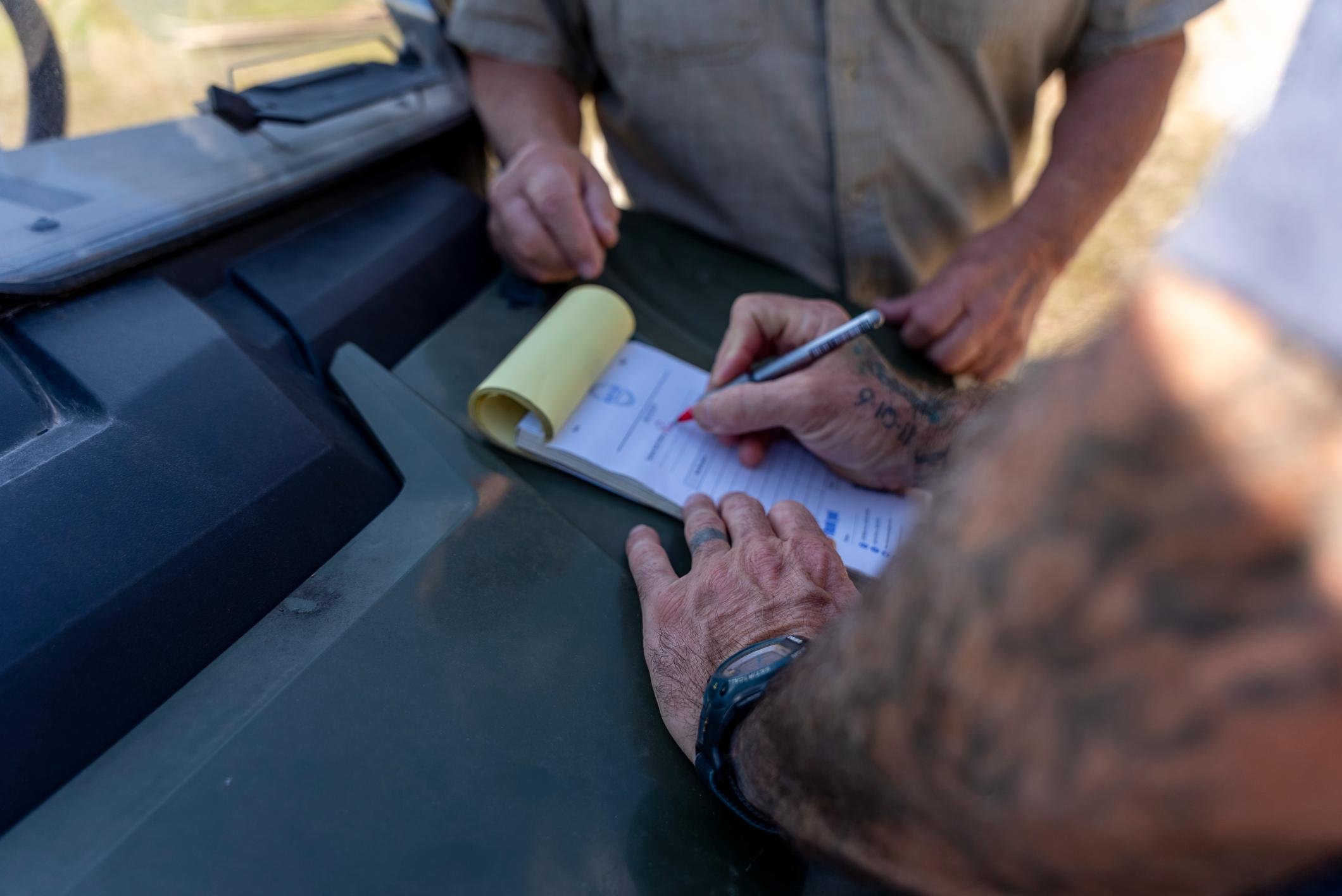
We start by reviewing the property to identify where excavation is required and how equipment can safely access the area. Homeowners often notice utility markings, measured boundaries, and clear communication before digging begins. Planning matters because understanding soil type, slope, and nearby structures reduces risk, prevents unnecessary digging, and keeps excavation limited to areas directly connected to septic or utility work.

Controlled Excavation and Soil Removal
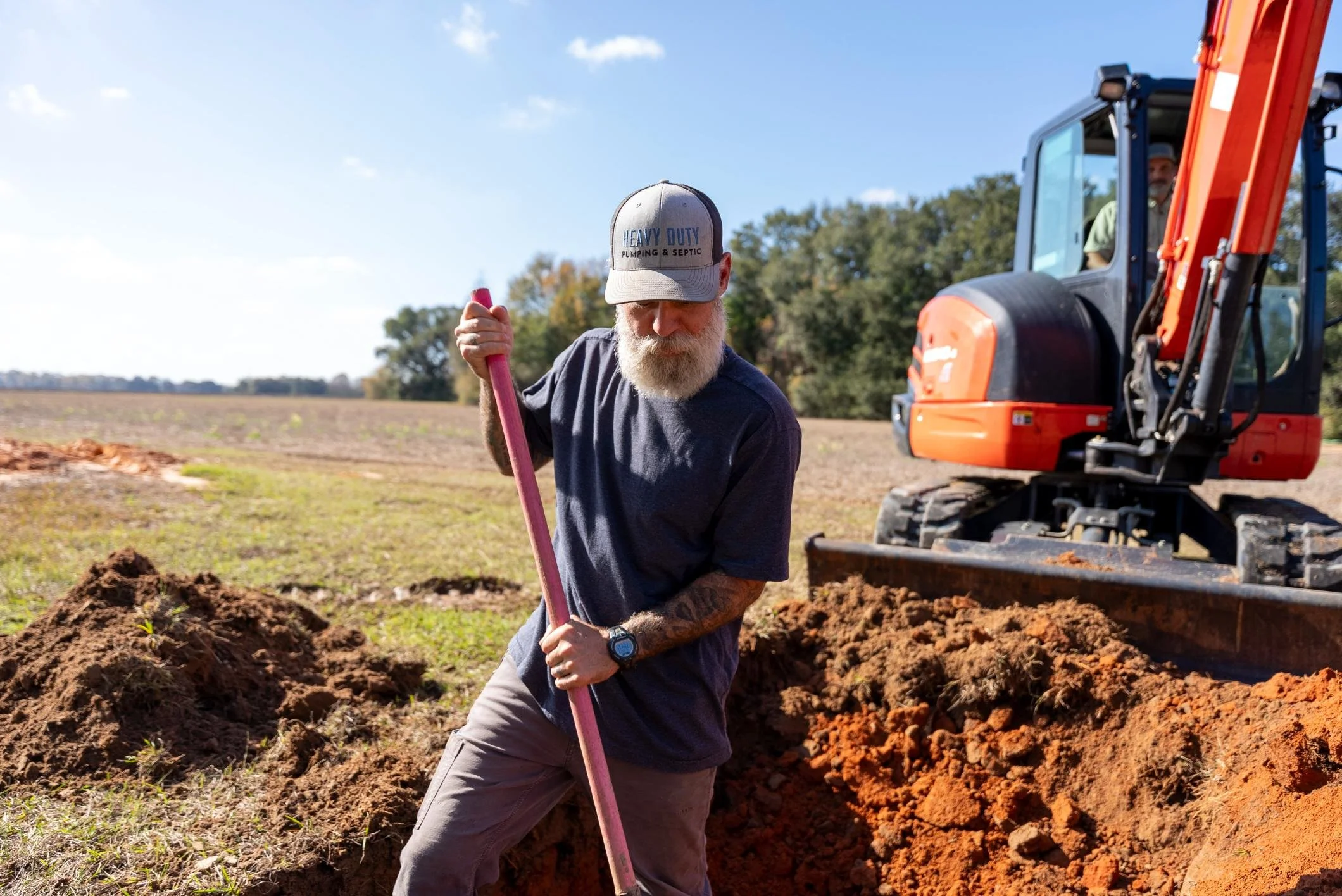
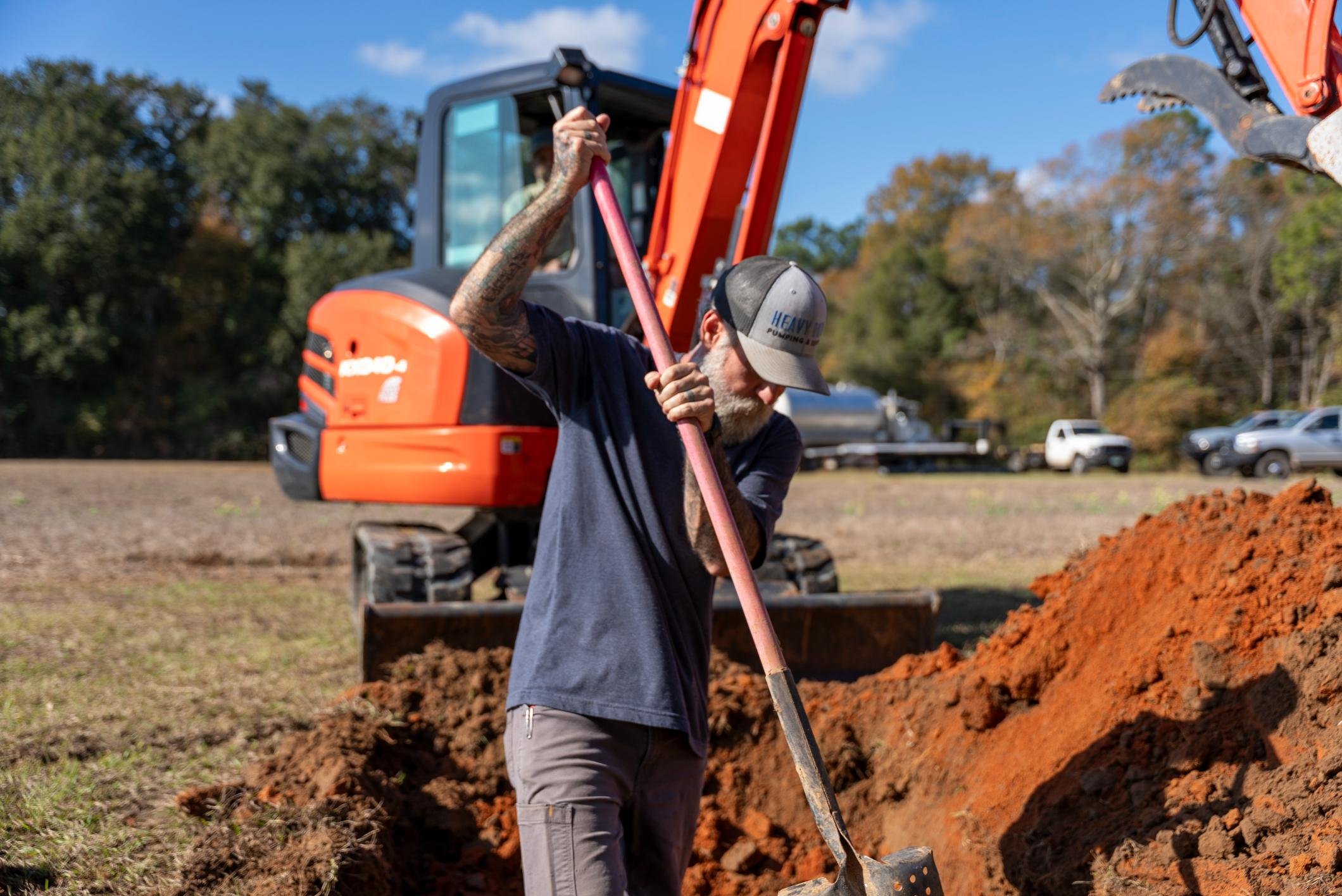
We remove soil in stages to reach septic or utility components without disturbing the surrounding ground. Homeowners usually notice organized digging rather than large sections of the yard being opened at once. Controlled removal matters because careful handling protects foundations, driveways, landscaping, and underground lines while allowing precise access to the area that needs repair, replacement, or installation work.
Utility Exposure and Work Coordination
We carefully expose septic lines or utility connections to allow repairs or adjustments to be completed safely and accurately. Homeowners may notice visible pipes or access points during this phase. Proper exposure matters because clear visibility reduces mistakes, allows work to proceed efficiently, and minimizes the need for additional digging after the area is restored.
Backfilling, Grading, and Surface Restoration
We return soil to the excavation area and reshape the surface once underground work is finished. Homeowners often notice smoother ground and more natural drainage patterns afterward. Restoration matters because compacted soil supports long-term stability, limits future settling, and helps rainwater flow away from septic and utility components rather than collecting near them.
Our Service Area
Heavy Duty Pumping & Septic proudly serves a wide coverage area to support residential, commercial, and shared septic and pumping needs. Our Mississippi service area includes Lucedale, Hurley, Wade, McLain, Leakesville, Ocean Springs, Pascagoula, Agricola, Big Point, Vancleave, Gautier, Moss Point, Escatawpa, Gulfport, Wiggins, Perkinston, Latimer, Hickory Hills, Beaumont, Helena, Brooklyn, Saint Martin, Gulf Hills, and Gulf Park Estates. Our Alabama service area includes Wilmer, Semmes, Mobile, Calvert, Gulfcrest, Citronelle, Eight Mile, Chunchula, Saraland, Grand Bay, Satsuma, Chickasaw, Prichard, Tillmans Corner, Saint Elmo, Deer Park, Creola, Mount Vernon, Sims Chapel, Irvington, and Vinegar Bend.
How Professional Soil Handling Supports Stable Septic and Utility Systems
-
Careful excavation limits unnecessary stress on septic tanks, pipes, and utility lines buried below the surface. Homeowners often notice fewer surprise issues after work is completed. Protection matters because disturbed soil and rushed digging can weaken connections, shift components, and create hidden problems that surface later through leaks, backups, or uneven ground conditions.
-
Precise digging and proper soil handling help pipes maintain correct alignment and consistent flow. Homeowners may not see these components, but performance improves when lines sit at stable depths. Reliable placement is essential because poorly supported pipes can sag, restrict wastewater flow, and contribute to recurring drainage issues over time.
-
Thoughtful backfilling and grading restore the ground, supporting natural drainage patterns. Homeowners often notice fewer low spots and less standing water after restoration. Prevention matters because uneven soil and poor grading can lead to erosion, pooling water, and repeated surface repairs that affect property appearance and usability.
-
Accurate excavation and utility exposure allow repairs or installations to be completed correctly the first time. Homeowners often appreciate not having to do follow-up digging. Reliability matters because repeat excavations increase costs, prolong disruption, and place additional stress on soil, landscaping, and nearby structures that were already disturbed during initial work.
FAQs - Soil, Excavation & Utility Services
For soil, excavation, and utility services in Lucedale, MS, contact Heavy Duty Pumping & Septic to discuss site needs and project timing.
Experienced ground handling supports stable conditions, protects underground systems, and keeps septic and utility work moving forward with minimal disruption.