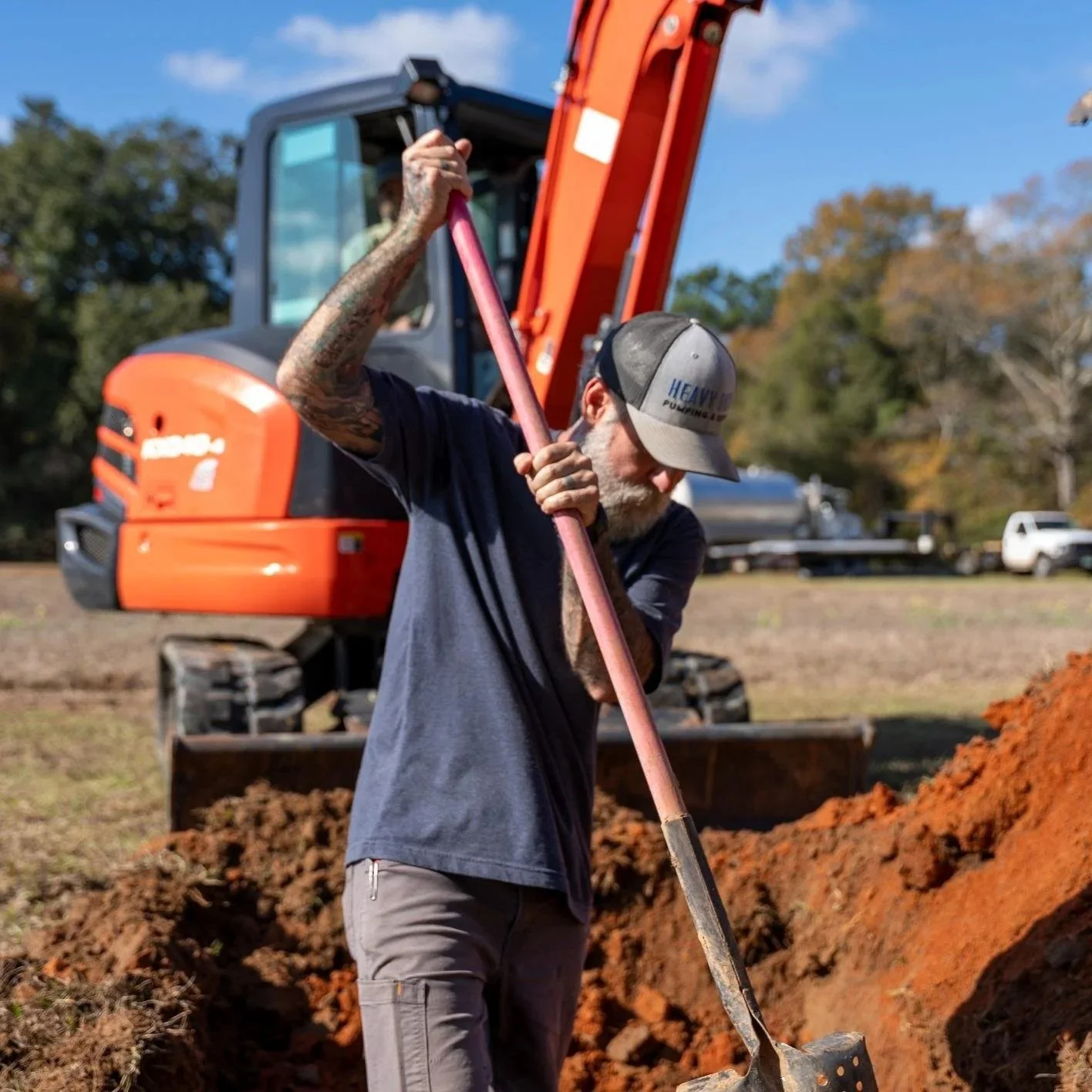
Technician installing an aerobic treatment unit outdoors, ensuring effective wastewater treatment and improved environmental protection for residential properties.
Understanding What an Aerobic Treatment Unit Actually Is
An aerobic treatment unit, often referred to as an ATU, is a type of septic system designed to treat wastewater to a much higher standard before it leaves the system. Instead of relying primarily on passive settling and anaerobic bacteria, an ATU uses oxygen and mechanical components to support aerobic bacteria actively. These bacteria break down organic waste more efficiently and consistently than anaerobic bacteria, producing significantly cleaner effluent.
ATUs function more like small-scale wastewater treatment plants than traditional septic systems. Wastewater moves through multiple treatment stages, each designed to reduce solids, organic material, and contaminants before dispersal. This active treatment approach allows ATUs to perform reliably on sites where conventional systems struggle or fail outright. Understanding that an ATU is a treatment system, not just a storage and dispersal setup, helps explain why installation requirements, maintenance expectations, and performance outcomes differ so noticeably.
Why ATU Installation Has Become More Common
ATU installation has become more common as environmental standards tighten and development expands into more challenging areas. Many properties no longer meet the soil depth, percolation, or groundwater separation requirements needed for conventional septic systems. Rather than prohibit development entirely, regulators increasingly require advanced treatment systems that reduce environmental impact before wastewater reaches the soil.
Residential growth on smaller lots, near waterways, or in areas with high water tables drives much of this demand. ATUs allow wastewater to receive most of its treatment within the unit, rather than relying solely on soil. This shift improves the protection of groundwater and surface water while allowing properties to remain usable. ATU installation often reflects necessity rather than preference, even though the performance benefits are substantial.
How Aerobic Treatment Units Improve Wastewater Quality
The defining advantage of an ATU lies in its treatment efficiency. By introducing oxygen into the treatment process, aerobic bacteria thrive and break down waste more completely. These bacteria consume organic material faster and more consistently than anaerobic bacteria, even when wastewater flow fluctuates throughout the day.
Because treatment occurs actively, effluent leaving an ATU contains fewer suspended solids and lower concentrations of organic pollutants. This cleaner effluent reduces stress on dispersal systems and the surrounding soil. In some jurisdictions, treated wastewater from ATUs qualifies for surface or shallow subsurface dispersal methods that are not possible with conventional systems. Improved wastewater quality represents the core reason ATUs are required in sensitive or constrained environments.
The Treatment Stages Inside a Typical ATU
Most aerobic treatment units follow a multi-stage process designed to maximize treatment effectiveness. Wastewater typically enters a pretreatment chamber where large solids settle, and initial separation occurs. From there, partially treated wastewater moves into an aeration chamber. Air pumps continuously introduce oxygen, creating ideal conditions for aerobic bacteria to digest organic material.
After aeration, wastewater enters a clarification stage where remaining solids settle out. Some systems include additional filtration or disinfection depending on regulatory requirements. Each stage builds on the previous one, progressively improving effluent quality before dispersal. ATU installation confirms these stages operate in sequence and remain properly balanced, maintaining consistent treatment over time.
How ATU Installation Differs From Conventional Septic Installation
ATU installation involves greater technical complexity than conventional septic systems. In addition to tanks and piping, ATUs require air pumps, control panels, alarms, and sometimes electrical connections for disinfection components. Placement, elevation, and access for maintenance all factor into installation planning.
Inspections occur at multiple stages to confirm components are installed correctly and operating as intended. Electrical connections must meet safety standards, and alarms must function properly before final approval. While installation may take longer and involve more coordination, the added complexity supports significantly higher treatment performance. Homeowners should expect a more involved process upfront in exchange for improved reliability on challenging sites.
Site Conditions That Make ATUs the Preferred Choice
ATUs perform well on sites where conventional systems face limitations. Shallow soils, slow percolation, limited lot size, and proximity to water bodies often disqualify gravity-based drainfields. ATUs reduce reliance on soil for treatment, allowing dispersal systems to focus primarily on distribution rather than purification.
High water tables present another common scenario. Conventional systems depend on unsaturated soil to complete treatment. ATUs provide advanced treatment before dispersal, reducing contamination risk even when separation distances are limited. While site conditions still matter, ATUs expand the range of properties that can safely support septic systems.
The Role of Electricity and Mechanical Components
Unlike passive septic systems, ATUs rely on mechanical components to function. Air pumps run continuously to maintain oxygen levels needed for treatment. Control panels monitor performance and trigger alarms if issues arise. Reliable electrical service becomes a core requirement for proper operation.
Power outages disrupt treatment efficiency. Many owners adjust water usage during outages to minimize impact. Some properties install backup power solutions for added protection. Understanding the relationship between power and treatment helps owners manage ATU systems responsibly rather than assuming they operate independently of utilities.
Maintenance Expectations After ATU Installation
ATUs require more active maintenance than conventional systems. Filters need cleaning or replacement. Air pumps and diffusers require inspection. Alarms must remain functional. Regular service ensures treatment stages remain balanced and effective.
Maintenance schedules vary by system design and regulatory requirements, but they are predictable. Owners who follow recommended service plans experience stable performance and fewer issues. ATUs reward attention with consistency but respond poorly to neglect. Maintenance represents an ongoing partnership between the owner and the system rather than an occasional obligation.
Cost Considerations for ATU Installation
ATU installation costs exceed those of conventional systems due to additional components, design complexity, and permitting requirements. These costs often surprise homeowners initially, especially when replacement is required rather than optional. However, cost must be evaluated alongside feasibility.
On sites where conventional systems cannot be approved, ATUs provide access to safe wastewater treatment rather than an upgrade choice. Long-term costs depend on maintenance habits and component replacement cycles. While operating expenses include electricity and service, these costs remain manageable when planned for from the start.
Longevity and System Durability
ATU tanks and structural components often last decades when installed correctly. Mechanical components have shorter lifespans but are designed to be replaceable without rebuilding the entire system. Longevity depends heavily on maintenance consistency rather than inherent fragility.
Owners who understand system needs and respond promptly to alarms protect their investment. ATUs do not tolerate deferred care, but they deliver predictable performance when properly supported. Durability becomes a function of stewardship rather than design limitation.
Environmental Advantages of Aerobic Treatment Units
ATUs align well with modern environmental protection goals. Improved treatment reduces nutrient loading and organic contamination reaching soil and water resources. This makes ATUs especially valuable in environmentally sensitive areas.
Regulators favor ATUs because they offer measurable treatment performance. Cleaner effluent protects ecosystems while enabling responsible development. ATU installation represents a balance between property use and environmental stewardship rather than a compromise of either.
How ATUs Support Regulatory Compliance
Many jurisdictions require ATUs to meet specific performance standards verified through inspection and maintenance records. Alarms and service logs demonstrate ongoing compliance. Owners must understand that regulatory approval often depends on continued proper operation rather than one-time installation success.
Compliance becomes easier when maintenance remains consistent. Systems that operate within design parameters rarely attract regulatory attention. ATUs support compliance by delivering reliable treatment outcomes when managed responsibly.
Comparing ATUs to Other Advanced Treatment Options
ATUs represent one category of advanced septic treatment. Other options include media filters, mound systems, and pressure distribution designs. Each addresses specific site constraints. ATUs stand out for their consistent treatment quality and adaptability across varied conditions.
Choosing the right advanced system depends on site data, regulatory requirements, and owner preferences. ATUs often emerge as the preferred option when multiple constraints exist simultaneously. A professional evaluation verifies that the chosen system matches both the site and the owner's capacity.
Why Professional Design and Installation Matter
ATU performance depends on correct design, precise installation, and proper component integration. Errors in sizing, placement, or electrical setup compromise treatment quickly. Professional guidance guarantees systems function as intended from day one.
Experienced installers anticipate challenges related to site conditions, usage patterns, and regulatory oversight. Their expertise transforms a complex installation into a structured process with predictable outcomes. ATU installation benefits greatly from professional involvement at every stage.
Is an ATU the Right Choice for Your Property?
ATU installation makes sense when conventional systems are not feasible or reliable. It also appeals to owners who prioritize environmental protection and long-term performance. The decision should reflect site realities, regulatory requirements, and willingness to maintain an active system.
Choosing an ATU represents a commitment to consistent care rather than a shortcut solution. When installed and maintained properly, aerobic treatment units deliver reliable wastewater treatment where simpler systems cannot succeed.
FAQs
Heavy Duty Pumping & Septic delivers a full-service, start-to-finish solution for professional septic system care, including septic tank drain field services, septic system installation, septic system upgrades, and septic tank locating & mapping in the Lucedale area. Our team of professionals with over 35 years of experience use advanced septic equipment with a focus on proper system design, preventing costly failures, and ensuring long-term performance. Protect your property today and enjoy reliable septic performance.
