Septic Tank Drain Field Services In The Lucedale, MS Area




Opening hours
Our Comprehensive Septic Tank Drain Field Services in Lucedale, MS
We provide comprehensive septic tank drain field services in Lucedale, MS, for property owners who rely on proper soil absorption to keep their wastewater systems functioning. Drain fields play a critical role by allowing treated wastewater to disperse safely into the ground. When performance declines, problems can spread quickly. Our focus remains on explaining drain field conditions clearly so property owners understand what is happening beneath the surface
Our septic tank drain field services evaluate how wastewater moves from the tank into the surrounding soil and how well that soil absorbs moisture over time. Drain field performance depends on flow balance, soil condition, and consistent usage patterns. Careful assessment helps identify whether drainage issues stem from compaction, saturation, or distribution problems. Addressing these factors supports stable operation and reduces strain on the rest of the septic system.
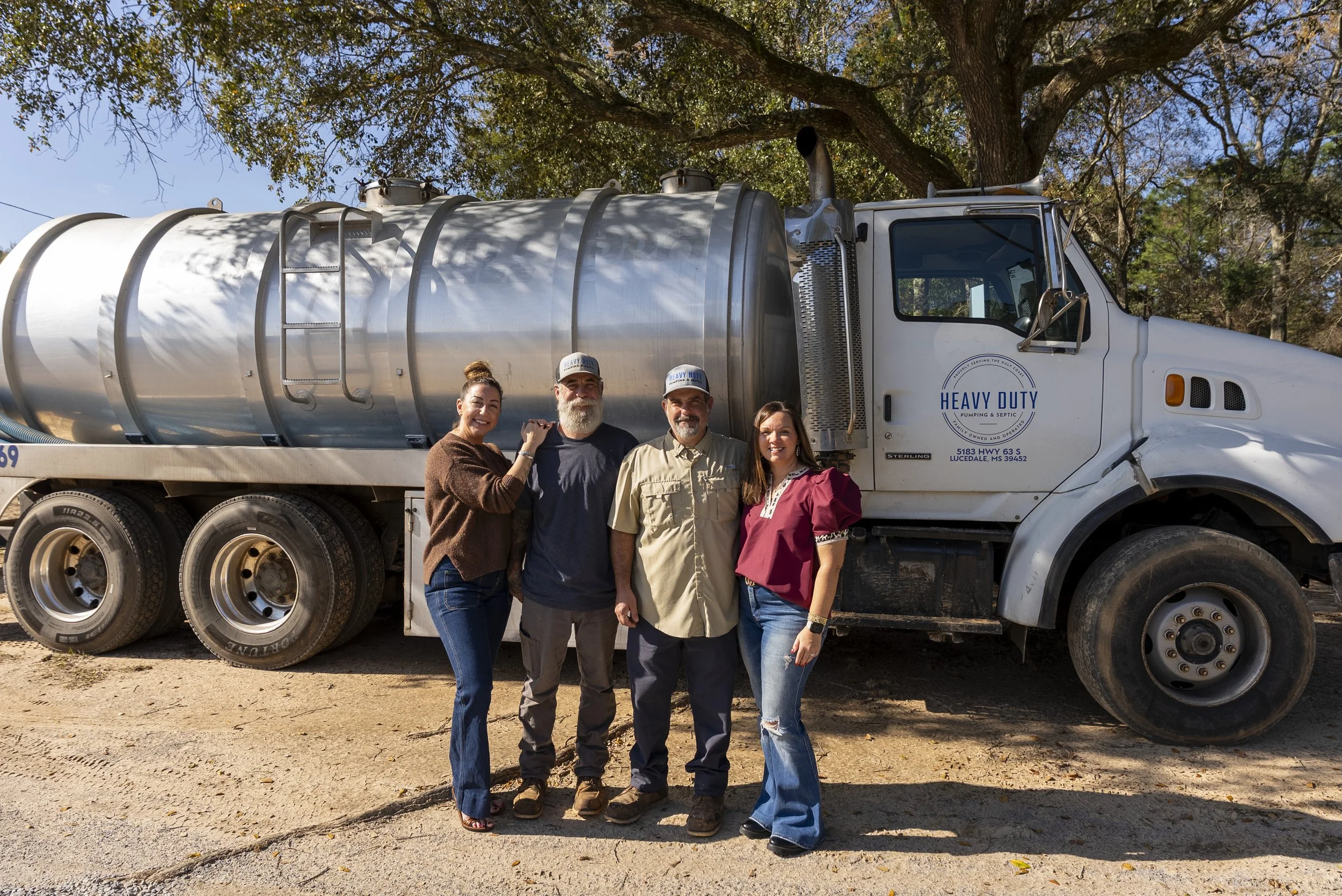
Heavy Duty Pumping & Septic delivers septic tank drain field services for residential and light commercial properties throughout Lucedale, MS. Experience with local soil characteristics and system layouts guides practical service decisions. Each visit focuses on restoring proper absorption behavior, supporting long-term system health, and helping property owners plan next steps with clear expectations rather than guesswork.

Types of Septic Tank Drain Field Services We Offer in Lucedale, MS
Drain Field / Leach Field Installation
Drain field or leach field installation establishes the area where treated wastewater safely absorbs into the surrounding soil. Installation considers soil conditions, spacing, and distribution layout. Homeowners benefit from a proper setup that supports steady absorption. Correct installation matters because balanced drainage prevents surface pooling, protects the septic tank, and supports long-term system stability.
Drain Field Repair
Drain field repair addresses localized issues that disrupt wastewater absorption, such as damaged lines or uneven distribution. Homeowners may notice slow drainage or damp soil in limited areas. Repair focuses on correcting specific failures without disturbing the entire field. This service matters because targeted repairs restore functionality while reducing disruption and extending usable system life.
Drain Field Rejuvenation
Drain field rejuvenation focuses on improving absorption when soil becomes compacted or saturated over time. Homeowners often notice a gradual decline in drainage rather than a sudden failure. Rejuvenation methods help restore soil permeability and flow balance. This service matters because improving absorption can stabilize performance and delay the need for more extensive repairs or replacement.
Drain Field Restoration
Drain field restoration involves more comprehensive correction when performance declines across larger areas. The process addresses distribution issues, soil stress, and flow imbalance. Homeowners gain renewed drainage function. Restoration matters because correcting widespread problems helps return the drain field to effective operation and protects the septic system from ongoing overload.
Drain Field Evaluation
Drain field evaluation examines how wastewater disperses into soil and whether absorption remains effective. The evaluation reviews moisture patterns, surface conditions, and drainage behavior. Homeowners gain clarity about current performance. This service matters because understanding the drain field condition supports informed decisions about maintenance, repair, or future service needs.
Drain Field Mapping
Drain field mapping identifies the exact layout and boundaries of the drain field below the surface. The process helps locate distribution lines and absorption areas. Homeowners gain a clearer understanding of system placement. This service matters because accurate mapping supports future inspections, protects the field during property work, and reduces the risk of accidental damage.
Drain Field Flooding Response
Drain field flooding response addresses situations where excess water overwhelms soil absorption. Homeowners may notice standing water, soggy ground, or slow drainage after heavy rain. The response focuses on relieving saturation and restoring balance. This service matters because prolonged flooding strains the septic system and increases the risk of surface wastewater exposure.
Commercial Drain Field Rebuilds
Commercial drain field rebuilds involve reconstructing drain fields designed for higher wastewater volumes. These systems support businesses in their daily operations. Rebuilds address capacity, distribution, and soil performance. This service matters because properly rebuilt drain fields help commercial systems operate reliably while meeting functional demands without repeated failures.
What Happens During a Septic Tank Drain Field Service Visit

Initial site review and system layout discussion
The visit begins with a walk-through of the property to review known drain field areas and discuss any recent drainage concerns. Property owners may point out soggy ground, odors, or past service history. This step matters because understanding surface conditions and layout helps guide where evaluation begins and prevents unnecessary disturbance to unaffected areas.

Surface condition and soil behavior assessment
The drain field area is examined for moisture patterns, ground softness, and vegetation changes that signal absorption performance. Property owners often notice attention given to subtle surface differences. This step matters because soil behavior reflects how well wastewater disperses underground and helps identify stress before visible failure occurs.
Flow observation during controlled water use
Water is introduced into the system to observe how wastewater moves from the tank into the drain field. Property owners may notice fixtures used in sequence. This step matters because observing active flow reveals distribution balance and highlights restrictions or saturation that static checks may not show.
Review of findings and practical service options
Results are explained clearly once the evaluation is complete, including the current condition and recommended next steps. Property owners gain realistic expectations without technical overload. This step matters because informed decisions help protect the drain field, support long-term system stability, and avoid reactive repairs later.
Targeted evaluation of distribution and absorption areas
Specific sections of the drain field are reviewed based on earlier observations. Property owners receive explanations about which areas perform well and which show strain. This step matters because focused evaluation prevents unnecessary work while identifying where corrective action provides the most benefit.

Our Service Area
Heavy Duty Pumping & Septic proudly serves a wide coverage area to support residential, commercial, and shared septic and pumping needs. Our Mississippi service area includes Lucedale, Hurley, Wade, McLain, Leakesville, Ocean Springs, Pascagoula, Agricola, Big Point, Vancleave, Gautier, Moss Point, Escatawpa, Gulfport, Wiggins, Perkinston, Latimer, Hickory Hills, Beaumont, Helena, Brooklyn, Saint Martin, Gulf Hills, and Gulf Park Estates. Our Alabama service area includes Wilmer, Semmes, Mobile, Calvert, Gulfcrest, Citronelle, Eight Mile, Chunchula, Saraland, Grand Bay, Satsuma, Chickasaw, Prichard, Tillmans Corner, Saint Elmo, Deer Park, Creola, Mount Vernon, Sims Chapel, Irvington, and Vinegar Bend.

How Proper Drain Field Care Supports Long-Term Septic Performance
-
Drain field services support how treated wastewater exits the tank and spreads evenly into the surrounding soil. Homeowners often notice fewer soggy patches, improved drainage consistency, and reduced surface moisture after service. Reliable absorption matters because balanced soil performance prevents wastewater from backing up toward the home, supports steady system operation, and allows the septic system to handle daily water use without unnecessary stress.
-
A properly functioning drain field allows wastewater to leave the tank at the correct pace rather than lingering too long. Homeowners benefit from less internal pressure placed on the tank, pipes, and distribution lines. Reduced strain matters because it limits premature wear, helps components operate within normal ranges, and supports longer service life across the entire septic system.
-
Drain field care addresses developing saturation or distribution problems before they affect large sections of the field. Homeowners gain practical protection from sudden drainage failures that interrupt household routines. This benefit matters because preventing failure reduces emergencies, limits yard damage, and avoids the stress associated with unexpected system breakdowns that often require immediate attention.
-
Proper drain field performance keeps wastewater below ground, where natural soil treatment occurs. Homeowners often notice healthier landscaping, fewer odors, and improved ground stability near septic areas. This protection matters because stable soil conditions reduce contamination risks, prevent gradual surface damage, and help preserve outdoor spaces that could otherwise suffer from prolonged moisture exposure.
-
Drain field services provide insight into current absorption performance and how the field may respond over time. Homeowners gain a clearer understanding of system conditions without technical overload. This clarity matters because informed planning helps prioritize future service, avoid unnecessary work, and maintain long-term septic system reliability with fewer surprises.
FAQs - Septic Tank Drain Field Services
For septic tank drain field services in Lucedale, MS, contact Heavy Duty Pumping & Septic for clear evaluations and dependable support.
Timely attention helps protect soil conditions, restore proper absorption, and maintain reliable septic performance across residential and commercial properties.