Industrial Waste Pumping in Lucedale, MS




Opening hours
Our Experienced Industrial Waste Pumping in Lucedale, MS
Industrial operations in Lucedale, MS, depend on controlled, compliant waste-handling practices to maintain safe, efficient facilities. Our industrial waste pumping service supports manufacturing plants, processing sites, and commercial operations that manage high volumes of liquid waste, sludge, and industrial byproducts. Work centers on protecting daily operations while respecting environmental standards and regulatory expectations common across Mississippi industries.
Our process reflects firsthand knowledge of how industrial systems function under demanding conditions. Pump selection, flow capacity, and removal methods align with the specific waste characteristics, access limitations, and disposal requirements involved at each site. Coordination with facility managers allows work to move forward smoothly while prioritizing safety, clarity, and predictable scheduling throughout the pumping process.
Heavy Duty Pumping & Septic offers industrial waste pumping as a specialized service for complex, high-demand environments. Experience across varied waste streams allows our work to remain adaptable without compromising consistency. Facilities in Lucedale, MS, rely on a steady, informed approach that supports compliance, protects infrastructure, and contributes to long-term operational stability.

Types of Industrial Waste Pumping We Offer in Lucedale, MS
Municipal Lift Station Support
We service and pump municipal lift stations that move wastewater from low areas to higher sewer lines, ensuring continuous flow. Support includes removing accumulated solids, controlling odors, and restoring pump efficiency, helping surrounding properties avoid overflow risks and system interruptions caused by neglected station maintenance during prolonged weather events.
Multi-Property Septic Maintenance Programs
We manage scheduled pumping and inspections for owners overseeing multiple septic systems across different properties. Programs help track service timing, reduce surprise failures, and keep waste levels controlled. Consistent maintenance supports predictable budgeting, protects drain fields, and reduces emergency service calls caused by overlooked system capacity limits over time across portfolios.
Large-Capacity Septic System Installation
We install septic systems designed to handle higher daily volumes common at commercial and industrial sites. Work includes installing tanks, connecting waste lines that carry used water away, and preparing drain fields that allow treated liquid to safely absorb into the soil while meeting expected usage demands and long-term site plans for facilities.
Warehouse, School & Government Facility Septic Service
We provide septic pumping and system care for large buildings with steady daily use. Facilities like warehouses, schools, and government buildings rely on regular waste removal to keep restrooms functional, prevent odors, and avoid service disruptions that affect staff, visitors, and public operations across busy schedules and occupancy cycles.
Commercial Drain Field Rebuilds
We rebuild drain fields when soil absorption areas fail or become oversaturated from prolonged use. Work involves removing compromised sections and restoring pathways that allow treated wastewater to disperse underground. A rebuilt drain field supports system longevity, protects surrounding land, and restores reliable wastewater flow for connected facilities under heavy usage conditions.
How Our Industrial Waste Pumping Service Is Handled From Start to Finish in Lucedale, MS
Site Review and Access Planning
We begin by walking the site to understand where waste is stored, how trucks can safely access the area, and what operations are happening nearby. Most facilities notice clear communication at this stage as we confirm timing and safety needs. Careful planning matters because proper access prevents delays, protects surfaces, and allows pumping work to move forward without disrupting daily operations or creating avoidable risks.

Waste Pumping and Removal Setup
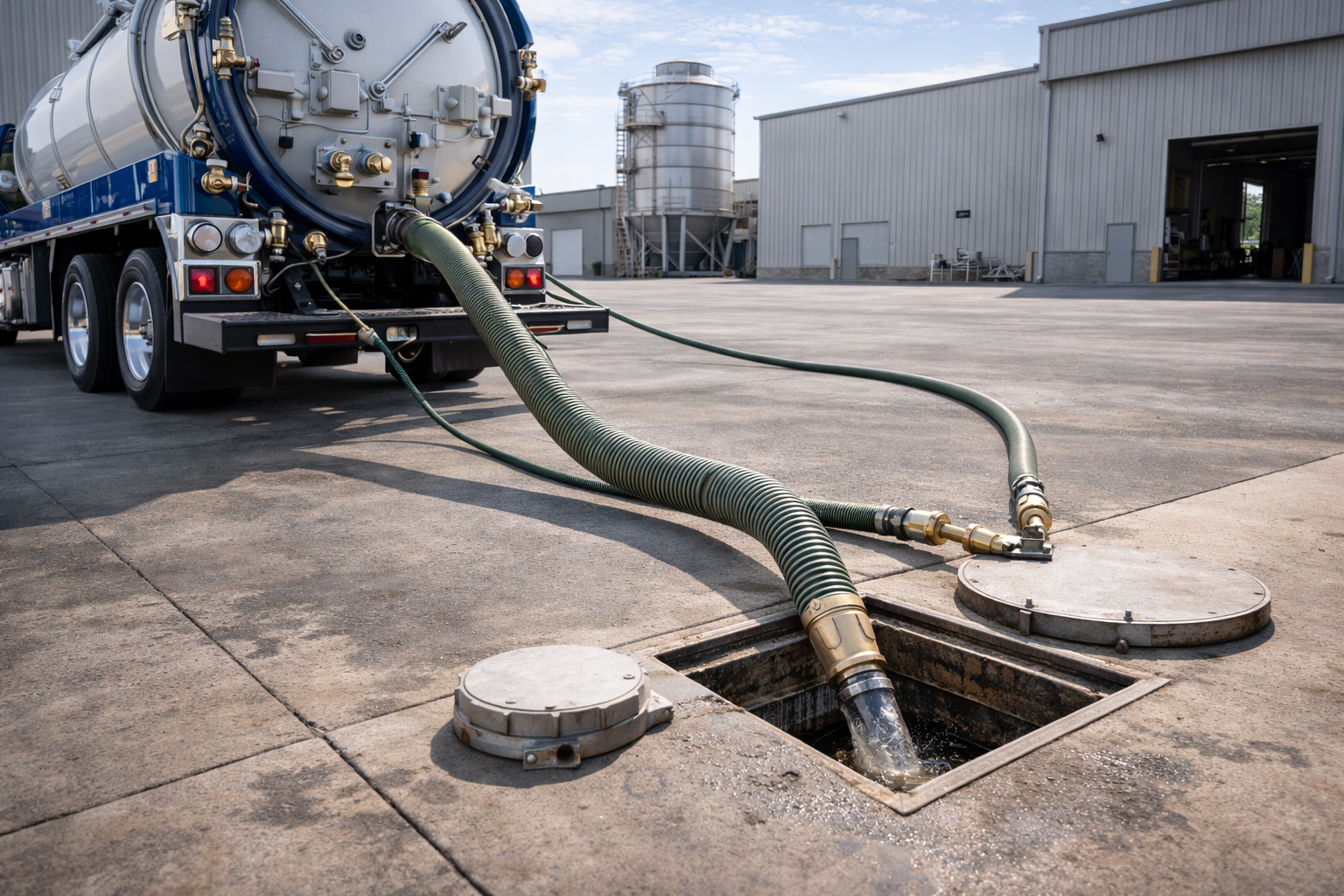
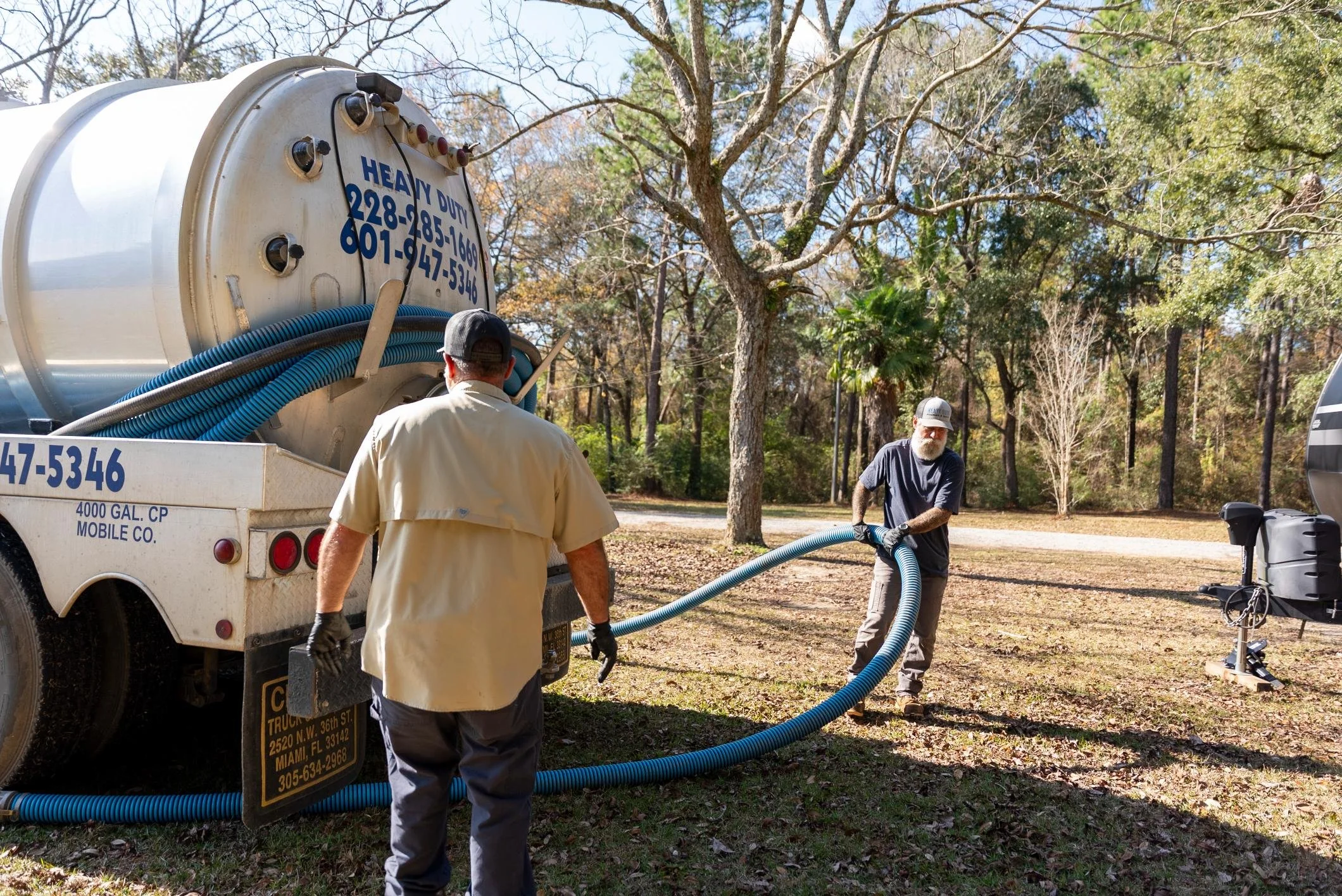
We position pumping equipment and hoses designed to move thick liquid waste from tanks or pits into sealed transport vehicles. Facilities often notice steady, controlled activity rather than loud or rushed work. This step matters because proper setup keeps waste contained, prevents spills, and allows consistent flow so buildup does not strain tanks, surrounding areas, or connected waste lines during removal.
Active Waste Extraction and Monitoring
We pump waste gradually while monitoring flow to prevent sudden pressure changes inside tanks or holding areas. Operators typically notice even pacing and frequent checks during this stage. Controlled extraction matters because rushing can damage internal structures or stir settled material that should remain undisturbed, which helps protect system integrity and keeps future waste handling predictable and manageable.
Final Area Check and Completion Review
We inspect the serviced area, confirm waste levels have been reduced as planned, and review next steps with the property contact. Most facilities notice cleaner access points and restored capacity afterward. This step matters because confirming completion helps prevent recurring issues, supports scheduling future service, and gives property managers confidence that waste handling will remain under control moving forward.

Our Service Area
Heavy Duty Pumping & Septic proudly serves a wide coverage area to support residential, commercial, and shared septic and pumping needs. Our Mississippi service area includes Lucedale, Hurley, Wade, McLain, Leakesville, Ocean Springs, Pascagoula, Agricola, Big Point, Vancleave, Gautier, Moss Point, Escatawpa, Gulfport, Wiggins, Perkinston, Latimer, Hickory Hills, Beaumont, Helena, Brooklyn, Saint Martin, Gulf Hills, and Gulf Park Estates. Our Alabama service area includes Wilmer, Semmes, Mobile, Calvert, Gulfcrest, Citronelle, Eight Mile, Chunchula, Saraland, Grand Bay, Satsuma, Chickasaw, Prichard, Tillmans Corner, Saint Elmo, Deer Park, Creola, Mount Vernon, Sims Chapel, Irvington, and Vinegar Bend.
How Proactive Waste Removal Helps Preserve System Performance Over Time
-
Regular industrial waste pumping prevents tanks and holding areas from staying overfilled for long periods. Property owners often notice fewer odors and smoother daily operations when waste levels are kept under control. Lower stress matters because prolonged pressure can weaken tank walls, strain connected waste lines, and shorten the usable life of systems designed to handle heavy volumes.
-
Scheduled pumping helps facilities avoid sudden shutdowns caused by backups or overflow. Many operations notice fewer emergencies once waste removal follows a predictable plan. Prevention matters because surprise failures disrupt staff schedules, interrupt production, and create cleanup challenges that take more time and resources than routine waste management ever requires.
-
Proper waste removal limits the chance of liquid waste seeping into surrounding soil or paved areas. Property owners often notice cleaner grounds and fewer surface concerns after consistent service begins. Protection matters because contaminated soil and saturated areas can lead to costly repairs, environmental concerns, and restrictions on the safe use of nearby spaces.
-
Maintaining balanced waste levels helps pumps, pipes, and drain areas function as intended without excessive buildup. Facilities may notice fewer performance issues tied to slow flow or blockages. Longevity matters because connected components last longer when they operate within expected limits, reducing repair frequency and helping systems remain dependable year after year.
FAQs - Industrial Waste Pumping
For dependable industrial waste pumping in Lucedale, MS, contact Heavy Duty Pumping & Septic to discuss service needs, scheduling, and site requirements.
Clear communication and experienced handling help facilities maintain steady operations and responsible waste management without unnecessary disruption.