

How Is Industrial Waste Pumping Different From Standard Septic Pumping?
Industrial waste pumping and standard septic pumping both involve vacuum trucks and large containers of liquid waste.

What a Drain-Field Diverter Valve Does, and Who Has One
Ask enough people about septic maintenance, and someone will tell you about the valve you are supposed to turn twice a year, the way you rotate your tires.

What Happens If a Septic System Inspection Fails?
A failed septic inspection doesn't mean the same thing in every situation. For some systems, failure is a damaged baffle that costs a few hundred dollars to replace.
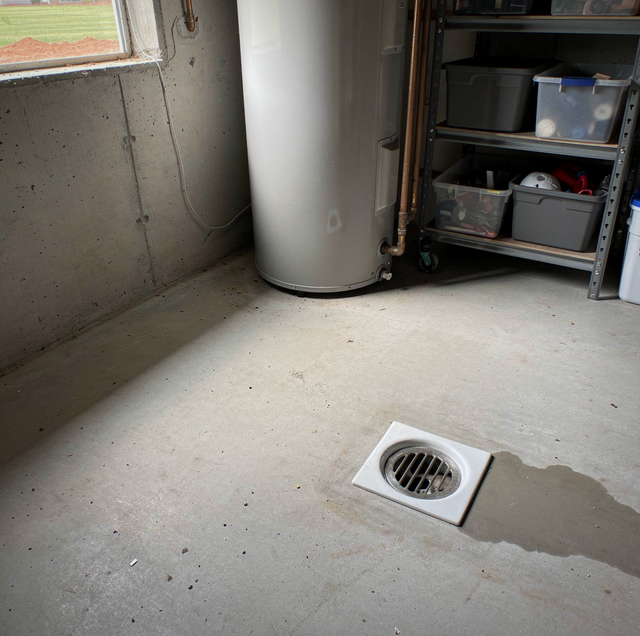
Septic Odor Inside the Home? Find the Seal That Failed
A septic system is a closed path. Waste leaves a fixture, drops through a trap, runs down a branch line to the building drain, and travels underground to the tank and out to the field.
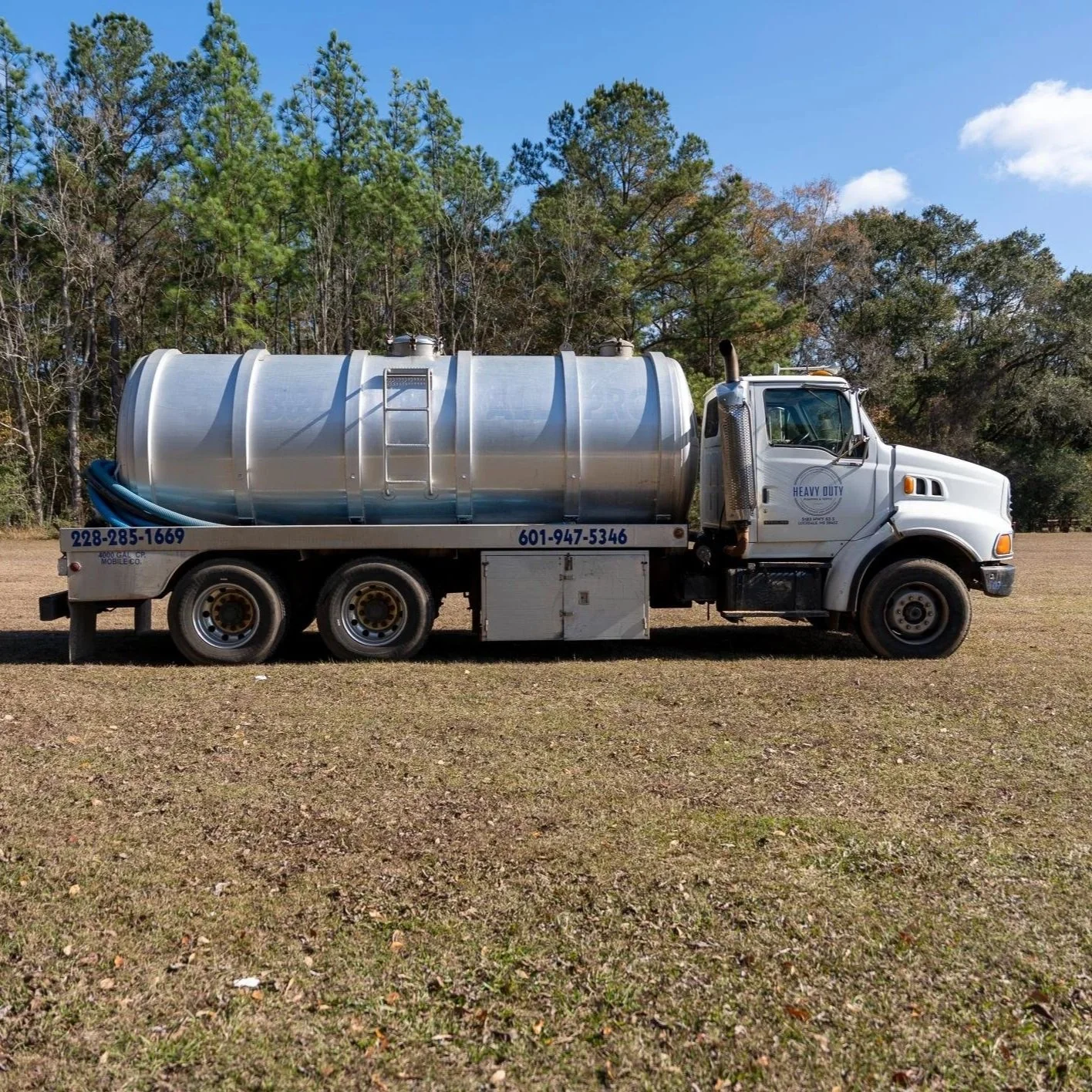
What Septic Tank Capacity Does an RV Park Need?
A quiet midweek day might send 40 gallons into your tank all morning. That same amount can push through in ten minutes on checkout Sunday. Size for the slow days, and the system fails on the ones that actually matter.
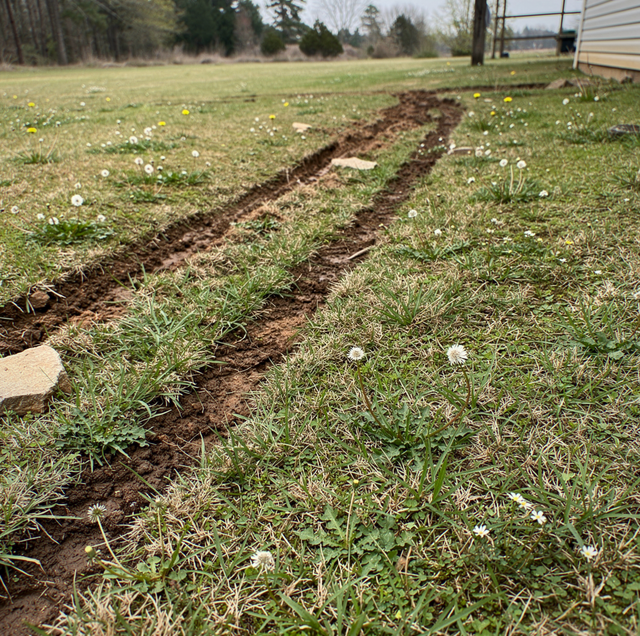
Protect Your Drain Field: Which Damage Is Permanent
A contractor's dumpster sits on a drain field for nine days while a roof is replaced.
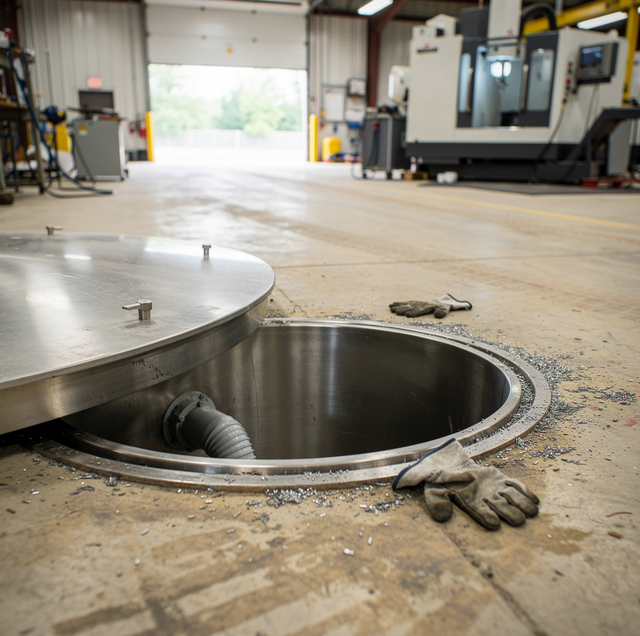
An Industrial Waste Pumping Job Has One Step A Home Skips
Two tanks of the same size sit a few miles apart, one behind a house and one behind a small manufacturing plant.

What Are the Septic Service Requirements for a School or Government Building?
A septic system serving hundreds of people every day operates under an entirely different set of pressures than a residential tank.
How Often Should a Lift Station Be Serviced?
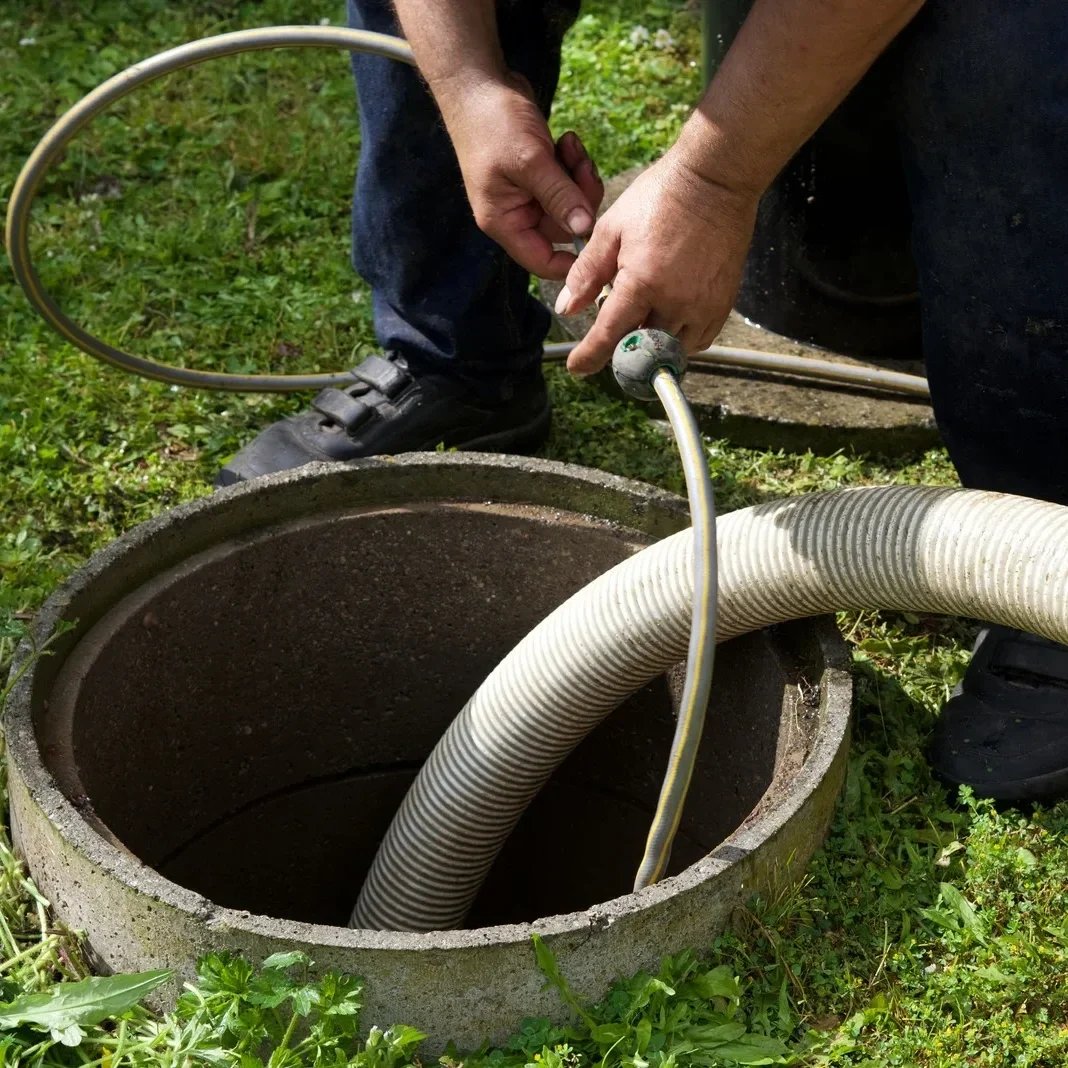
A lift station exists because gravity doesn't always work in your favor. When your drains sit below the elevation of the main sewer line or connection point, sewage can't flow out on its own.
Why Grease Traps Need Regular Service to Avoid Backups and Odor
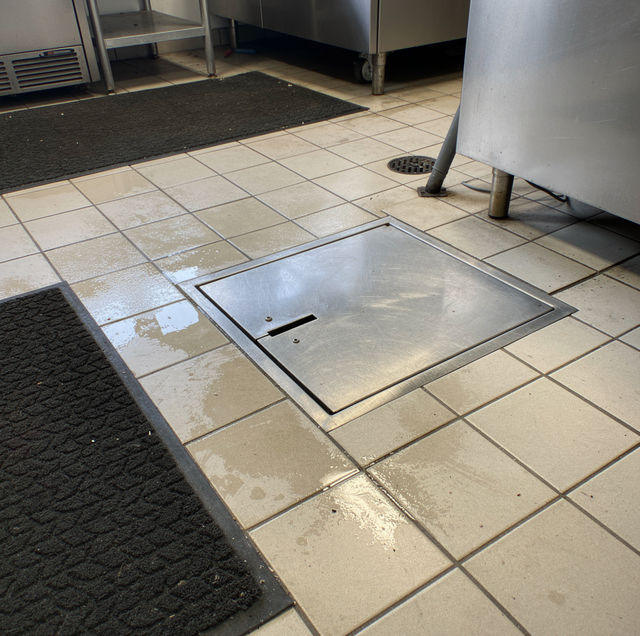
A commercial kitchen sends far more grease, oil, and food solids down the drain in a single shift than a household sink ever sees.
What Is a Septic Float Switch and What Happens When It Fails?
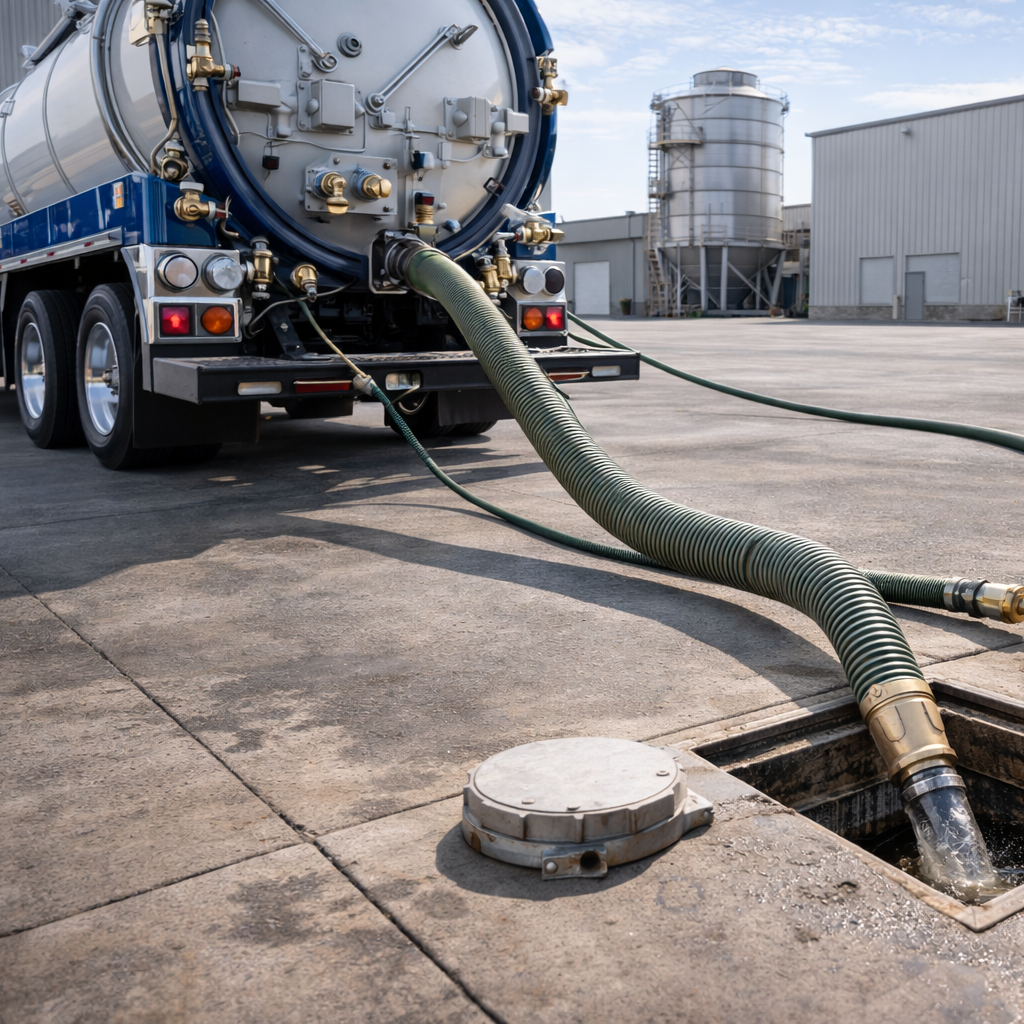
The alarm panel on the utility room wall is blinking red. The pump chamber hasn't cycled in hours — or maybe it's been running non-stop and you're just now noticing. Either way, something is off, and the float switch is usually the first place to look.
What Causes Sudden Septic System Failures?
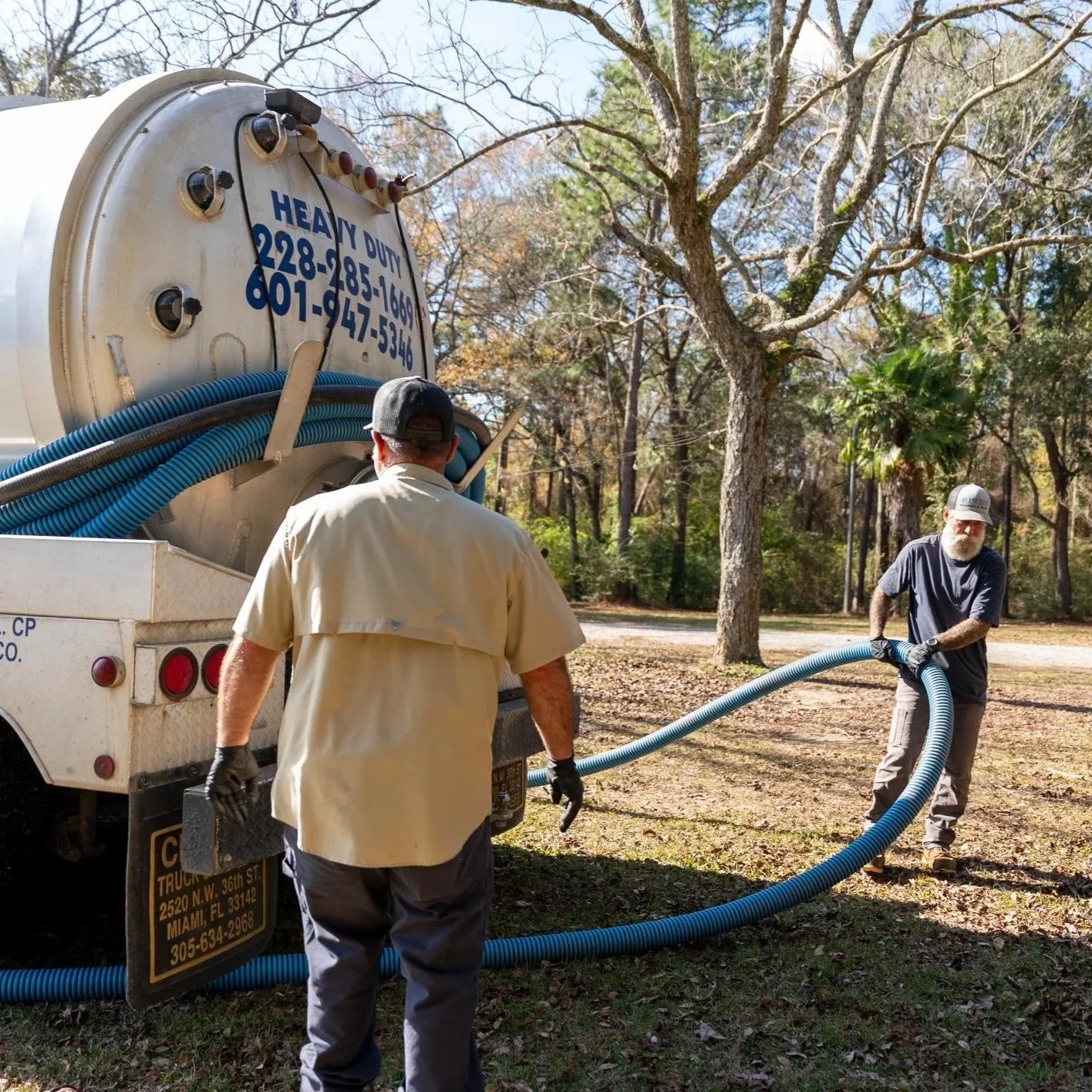
A single load of laundry or a long shower on the wrong day becomes the last drop that tips a tank that's been on the edge for a long time.
What Size Septic System Does a Restaurant Need?
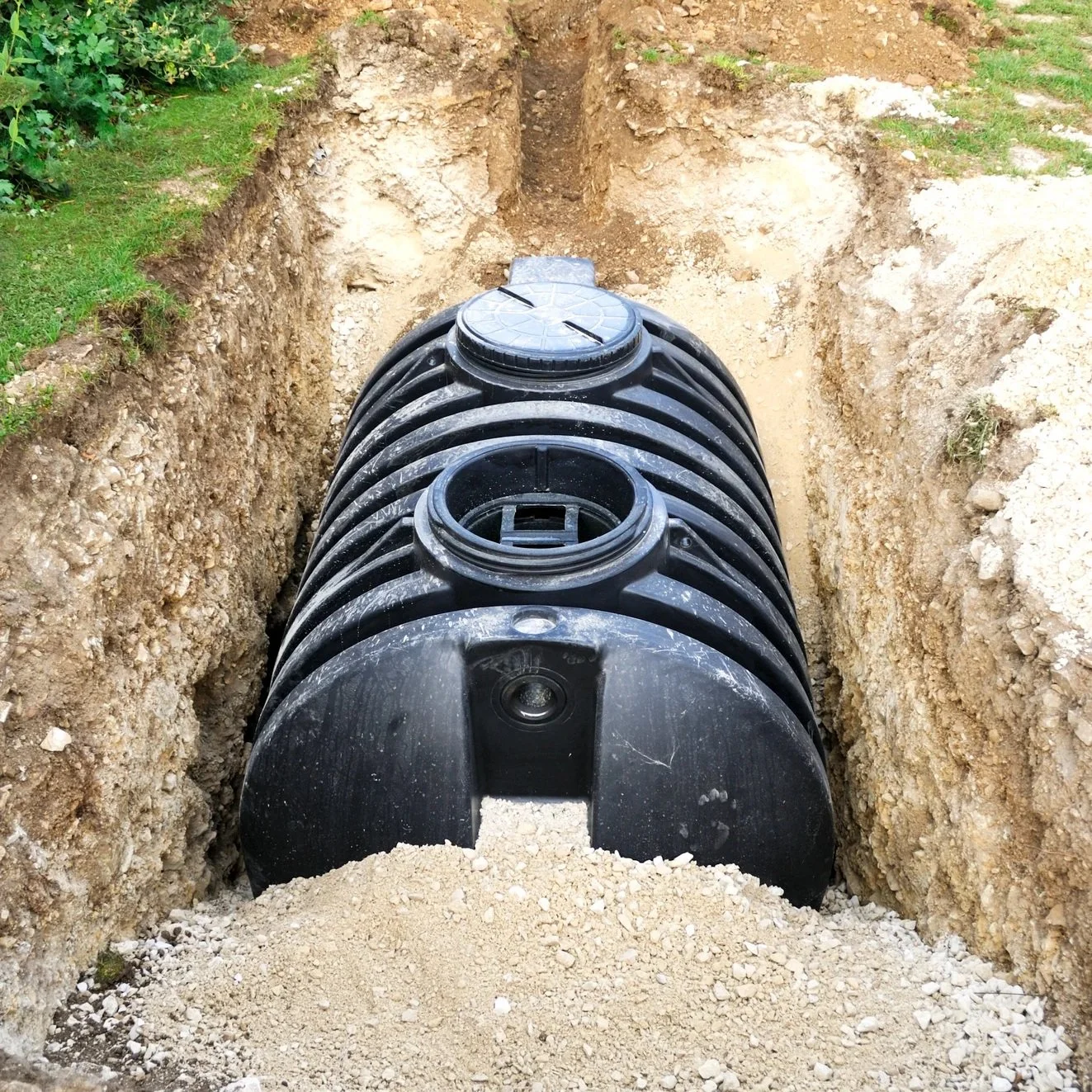
A restaurant's septic load is nothing like a home's. The math doesn't scale from residential; it starts from scratch.
What to Expect From a Septic Inspection During a Home Sale
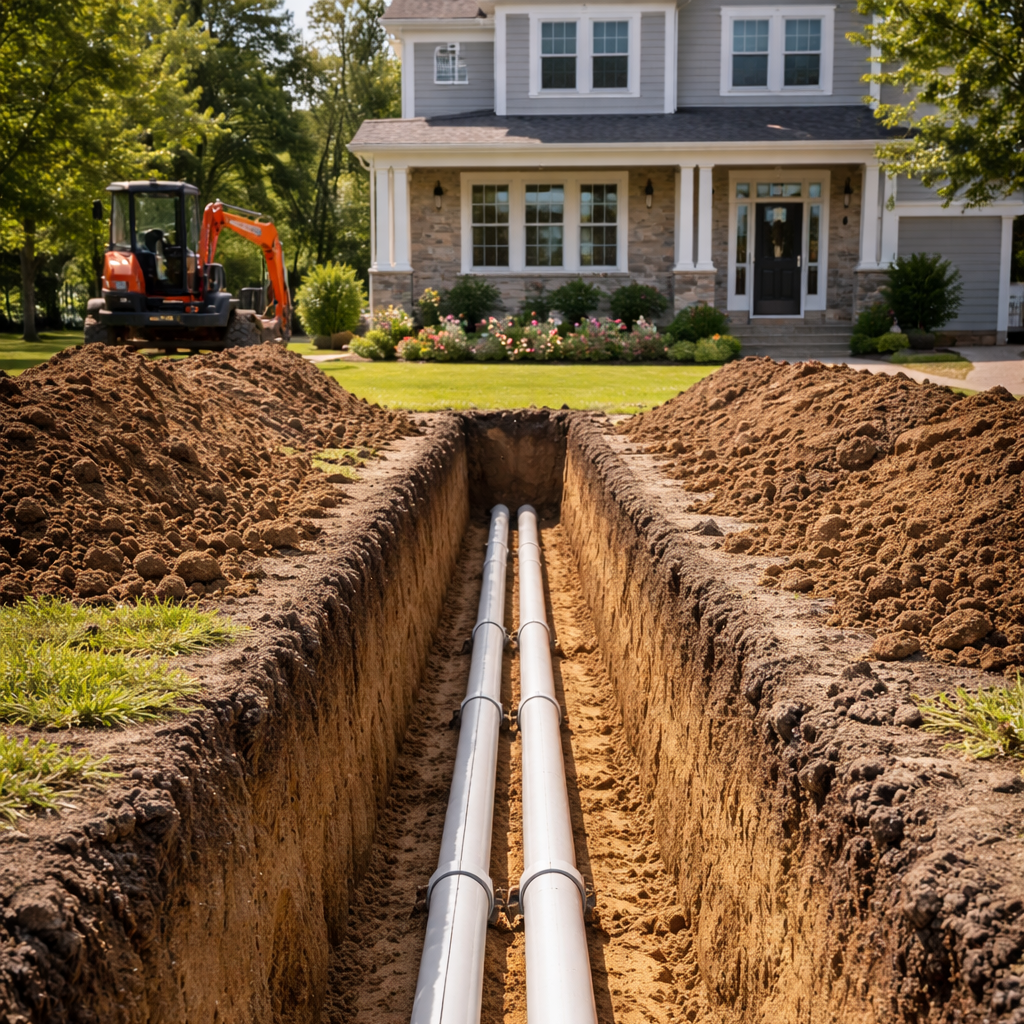
A septic inspection at point of sale is different from a routine service call. The technician isn't just checking the tank — they are pressure-testing the whole system, from the pipe that carries waste out of the house to the final absorption zone in the soil.
What Does Main Sewer Line Cleaning Actually Remove?
Large-capacity septic systems for commercial buildings and facilities cost $20,000–$150,000+. Learn what drives the price and how sizing works.

Why Does Your Yard Smell Like Sewage?
A septic system is built to keep waste and the gases that come with it completely out of your nose.

Repair or Replace: When Is a Septic Tank Really Done?
A septic tank rarely fails all at once. It fails in stages, and the first stage almost always looks like a nuisance rather than an ending.

How Tank Locating and Mapping Works for Septic Owners
Most septic tanks are invisible from the surface, and the paperwork that showed where they sit rarely survives a change of ownership.

How Coastal Soil and High Water Tables Affect Septic Systems
A septic system doesn't treat wastewater the way a treatment plant does, with tanks, chemicals, and operators monitoring gauges.

How Much Does a Large-Capacity Septic System Cost?
Large-capacity septic systems for commercial buildings and facilities cost $20,000–$150,000+. Learn what drives the price and how sizing works.