Drain field installation sits at the heart of any septic system, even though most property owners rarely think about it unless something goes wrong. After years of working around septic systems, digging up yards, inspecting soggy soil, and explaining uncomfortable truths to homeowners, one pattern stays consistent. Systems fail far more often due to poor drain field design than to age alone. A well-designed drain field can quietly function for decades. A poorly designed one can struggle from day one and slowly turn into an expensive, disruptive problem that never fully goes away.
Many homeowners assume septic problems start inside the tank. In reality, the drain field does most of the long-term work. Wastewater leaving the tank still contains nutrients, bacteria, and moisture that must be absorbed, filtered, and treated by soil over time. When a drain field is installed without regard for site conditions or relies on shortcuts, the soil becomes overwhelmed. Once that happens, repairs rarely stay small or inexpensive, and replacement often becomes the only realistic option.
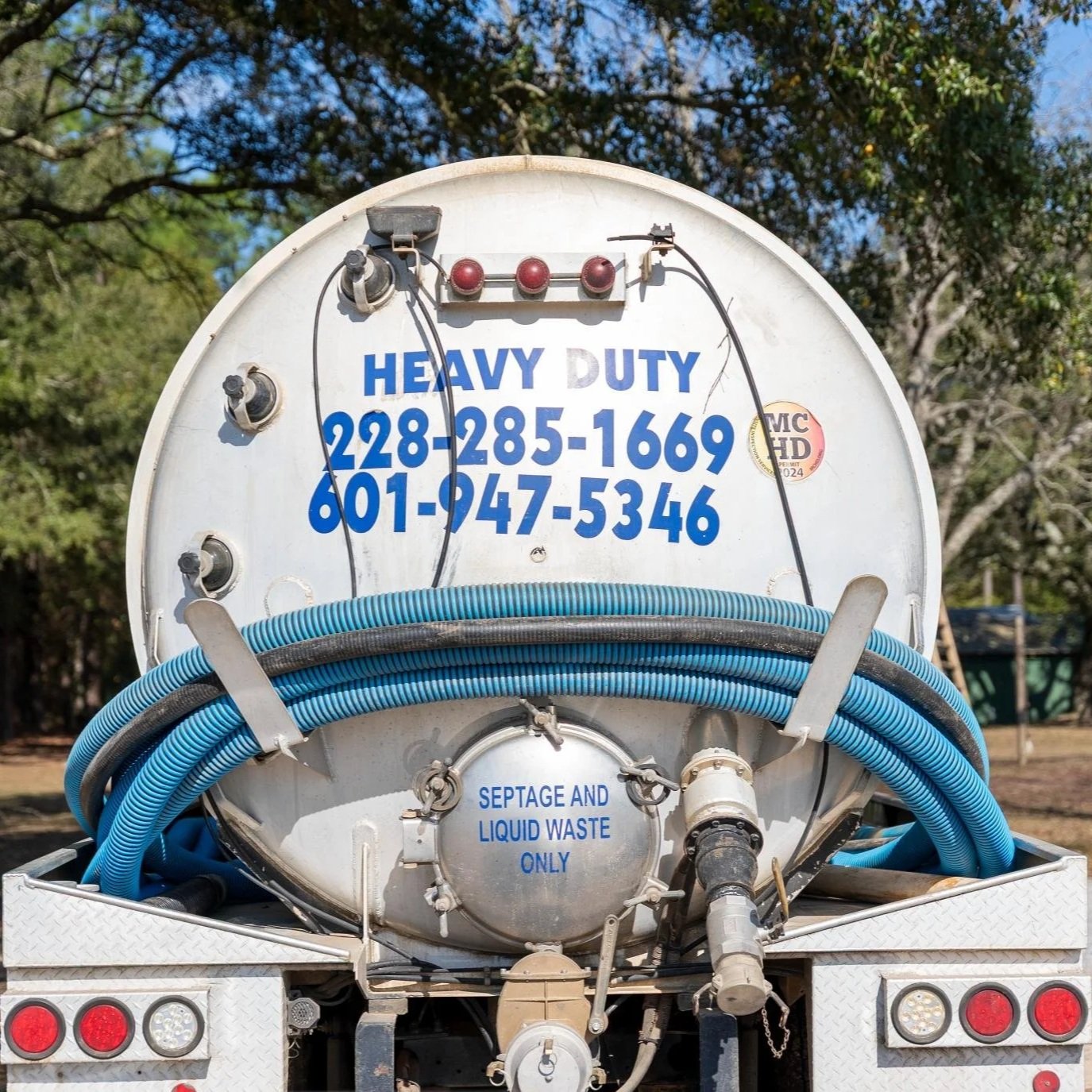
Heavy duty septic vacuum truck parked outdoors with hoses ready for drain field cleaning and wastewater service operations today site.
Soil Conditions And Why They Dictate Drain Field Success
Soil conditions determine how well a drain field installation will perform over time. Different soils absorb and treat wastewater at very different rates. Sandy soils drain quickly but may struggle with filtration if not designed carefully. Clay-heavy soils absorb slowly and can retain water near the surface, leading to saturation problems even when the system appears new. Loamy soils usually provide the best balance, though they vary based on compaction and moisture history. A drain field design that ignores these differences places stress on the system from the moment wastewater begins flowing.
Proper drain field installation starts with soil evaluation, not guesswork. Percolation testing and soil analysis reveal how fast water moves through the ground and how much treatment the soil can realistically handle. When installers skip or rush this step, they often oversize or undersize components, leading to pooling, backups, or early biomat formation. Homeowners may not notice problems immediately, but subtle warning signs, such as slow drains or persistent odors, often appear within the first few years, long before the system should show wear.
Long-term performance depends on how well the drain field works with the soil rather than against it. Soil that stays saturated too long loses oxygen, reducing its ability to break down waste. That leads to thicker biomat layers, slower drainage, and eventual failure. Once soil structure collapses around a poorly designed drain field, restoring function becomes difficult without complete replacement. Careful soil-based design gives wastewater the time and space it needs to disperse safely year after year.
Drain Field Sizing And Load Management Over Time
Drain field installation must account for the amount of water the system will process over its lifetime, not just current household usage. Many systems fail early because they were sized for past conditions rather than future reality. Homes grow, families change, and water usage patterns shift. Additional bathrooms, laundry appliances, and even higher-efficiency fixtures can increase flow frequency and hydraulic load in ways older designs never anticipated.
An undersized drain field struggles quietly at first. Water moves through trenches faster than soil can absorb it, pushing untreated effluent toward the surface or nearby groundwater. Over time, constant overload accelerates biomat buildup and reduces the effective absorption area. Homeowners often respond by pumping the tank more frequently, assuming that solves the problem. While pumping helps temporarily, it does nothing to relieve stress on an undersized drain field.
Proper drain field installation includes realistic load calculations based on occupancy, fixture count, and expected water habits. Conservative design provides a buffer that allows the system to handle occasional surges without damage. That buffer becomes especially important during heavy rain seasons or periods of high household use. Systems designed with long-term load management in mind rarely experience sudden failures, even after decades of regular operation.
Trench Layout And Spacing Impact On Soil Health
Trench layout plays a major role in how evenly wastewater disperses across the drain field. Poor layout concentrates flow in limited areas, creating saturation hotspots that fail long before the rest of the system shows wear. Even spacing allows soil to recover between dosing cycles, preserving oxygen levels and microbial activity that naturally treat wastewater.
Drain field installation that places trenches too close together prevents soil from drying properly. Overlapping saturation zones reduce treatment efficiency and create anaerobic conditions. These conditions promote clogging, odors, and surface seepage that homeowners often mistake for plumbing issues. Once soil loses its ability to rebound between doses, the entire drain field begins to underperform.
Well-designed trench spacing considers soil type, slope, and natural drainage patterns. Longer trenches with proper separation distribute effluent more evenly and reduce stress on individual sections. Over time, this balanced approach prevents localized failures and extends the system's lifespan. Installations that respect soil recovery cycles tend to age gracefully, while cramped layouts often show problems far earlier than expected.
Slope, Elevation, And Gravity Flow Considerations
Slope and elevation affect every aspect of drain field installation, from wastewater distribution to long-term erosion risks. Gravity-based systems rely on precise elevation control to maintain steady flow without overwhelming certain areas. When slopes are too steep or poorly managed, effluent rushes through trenches rather than soaking into the soil evenly.
Improper grading often leads to downhill saturation, where lower sections of the drain field remain constantly wet while upper sections stay underutilized. This imbalance accelerates failure in downhill zones and reduces overall system efficiency. Standing water may appear downslope after heavy use or rainfall, signaling deeper design problems beneath the surface.
Proper drain field installation accounts for slope by using level trenches, flow control devices, or stepped layouts that slow movement and promote absorption. Elevation planning also protects against erosion and soil migration that can damage pipes over time. Thoughtful grading supports stable performance and prevents the slow creep of failure that often begins at the lowest point of the field.
Distribution Systems And Equal Flow Management
The distribution system connects the septic tank to the drain field and controls how wastewater enters each trench. Uneven distribution undermines even the best soil and trench design. Without proper flow control, some lines receive more effluent than others, leading to premature saturation and uneven biomat growth.
Simple gravity systems rely on precise leveling to function correctly. Small installation errors can cause a chronic imbalance that worsens over time. More advanced designs may use distribution boxes or pressure dosing systems to regulate flow more accurately. Each approach has strengths and limitations depending on site conditions and maintenance expectations.
Drain field installation that prioritizes equal distribution protects the entire field from localized overload. Balanced flow keeps soil functioning consistently across all trenches, preventing isolated failures that eventually compromise the entire system. Systems with well-managed distribution often outlast poorly balanced designs by many years, even under similar usage patterns.
Impact Of Groundwater Levels And Seasonal Changes
Groundwater levels fluctuate throughout the year, and drain field installation must account for worst-case conditions rather than average ones. High water tables reduce available soil depth for treatment and increase the risk of effluent surfacing or contaminating nearby water sources. Systems designed without considering seasonal groundwater rise often fail during wet periods.
During heavy rainfall or snowmelt, saturated soil loses its ability to absorb additional water. A drain field installed too close to the water table has little margin for these conditions. Homeowners may notice backups, slow drains, or foul odors during certain seasons, only for symptoms to fade when conditions dry out.
Proper drain field installation maintains adequate separation between trenches and seasonal high groundwater levels. Raised systems, alternative designs, or engineered soils may be necessary in challenging locations. These adjustments protect long-term performance and reduce environmental risk. Systems designed for seasonal extremes perform reliably year-round instead of cycling between functional and failing states.
Construction Quality And Material Choices Matter
Even the best design fails without proper construction practices. Drain field installation demands careful handling of soil, pipes, and aggregate to preserve structure and function. Heavy equipment compaction, improper backfilling, or damaged components can compromise performance before the system ever goes into service.
Material choices also influence longevity. Pipe quality, aggregate size, and fabric selection affect how evenly wastewater spreads and how well the system resists clogging. Low-quality materials may save money upfront, but often lead to restricted flow and early failure. Over time, small construction shortcuts become major repair issues.
Experienced installers understand how fragile drain field environments can be during construction. Protecting trench bottoms, avoiding unnecessary compaction, and maintaining proper elevations preserve soil integrity. Systems built with care tend to perform quietly and reliably for decades, while rushed installations often show warning signs far too soon.
Maintenance Expectations And Long-Term Behavior
Drain field installation should align with realistic maintenance expectations. Even well-designed systems require periodic care, and homeowners play a role in protecting long-term performance. Designs that rely on perfect usage habits often struggle in real-world conditions where water usage varies, and mistakes happen.
Systems with adequate capacity and forgiving design tolerate occasional overloads better than tightly engineered installations. Drain fields that operate near their limits from day one leave no room for error. Over time, minor issues compound into major failures that could have been avoided with more conservative planning.
Long-term performance depends on both design and behavior. Proper drain field installation anticipates normal household variability and provides resilience against misuse. Systems designed with longevity in mind often outlast ownership changes and continue functioning reliably long after installation crews have moved on.
FAQs
Heavy Duty Pumping & Septic delivers a full-service, start-to-finish solution for professional septic system care, including septic tank drain field services, septic system installation, septic system upgrades, and septic tank locating & mapping in the Lucedale area. Our team of professionals with over 35 years of experience use advanced septic equipment with a focus on proper system design, preventing costly failures, and ensuring long-term performance. Protect your property today and enjoy reliable septic performance.
