Septic riser installation solves that problem while saving time, money, and unnecessary disruption over the life of the system.
Septic riser installation often feels like an afterthought for homeowners until the first time a technician has to dig up the yard just to access a tank lid. After enough years working around septic systems, digging through compacted soil, cutting sod, and explaining why access matters, one thing becomes clear. Most frustration around septic maintenance has nothing to do with the tank itself. The real problem comes from not being able to reach it easily. Septic riser installation solves that problem while saving time, money, and unnecessary disruption over the life of the system.
Many older septic systems were installed with buried lids because access was never prioritized during original construction. Homeowners now inherit systems that function fine underground but require excavation for inspections, pump-outs, or repairs. That repeated digging compacts soil, damages landscaping, and adds labor costs that quietly accumulate over decades. Septic riser installation changes how a system is serviced by bringing access points to the surface where they belong, without altering the system's operation.
What Septic Risers Are And How They Work
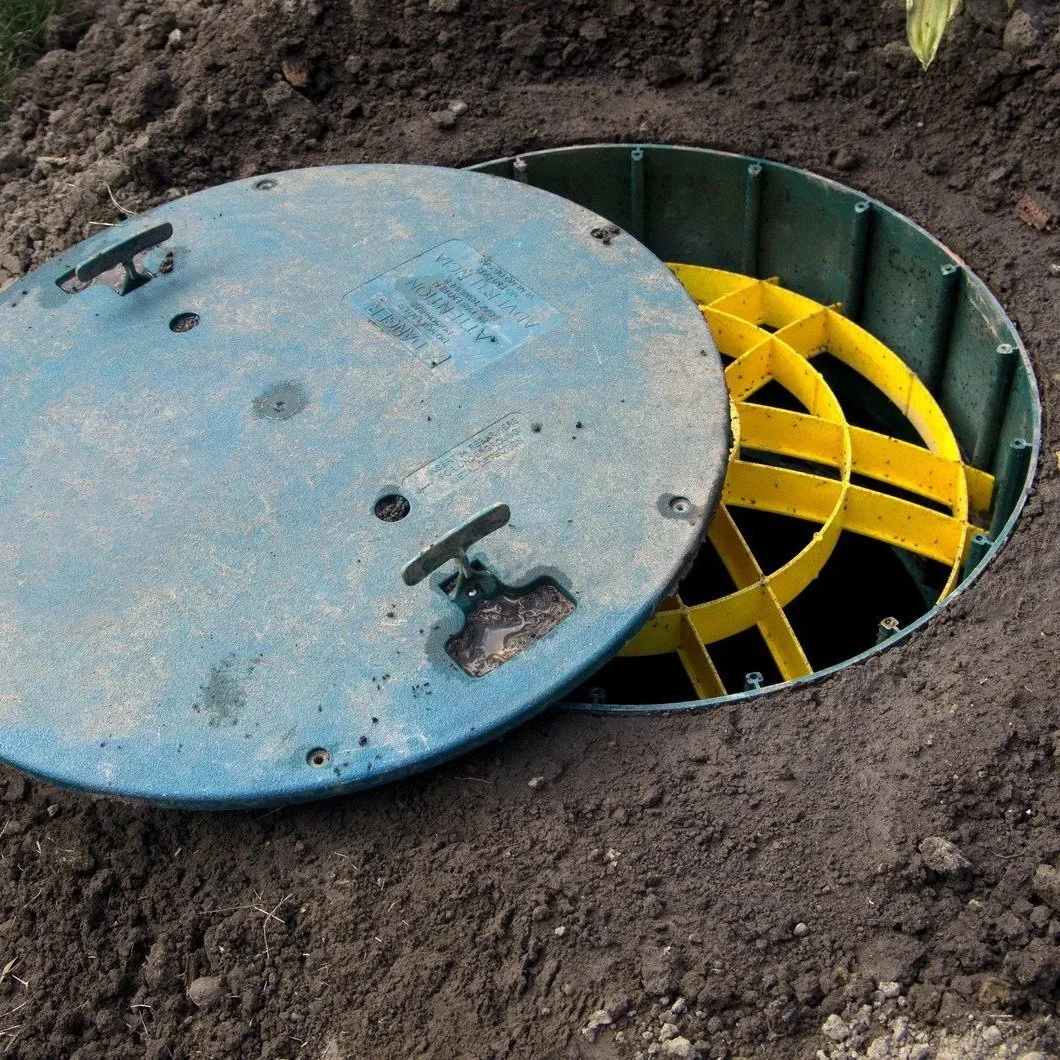
Septic risers are vertical extensions that connect the septic tank opening to ground level. They create a sealed access shaft that allows technicians to reach tank lids without digging. Septic riser installation typically involves attaching a riser to the tank opening, sealing it securely, and finishing it with a lid designed for surface exposure. Once installed, routine service becomes faster and far less invasive.
The riser does not change how waste flows or how the system treats wastewater. Its role centers entirely on access and protection. By eliminating the need for excavation, risers reduce soil disturbance around the tank and preserve the surrounding ground stability. Over time, this stability protects inlet and outlet pipes from shifting, misalignment, and stress caused by repeated digging and backfilling. Septic riser installation also makes inspections easier. Problems that might otherwise go unnoticed for years can be identified early when access becomes simple. Small issues stay small when technicians can inspect components regularly without the barrier of excavation.
Why Buried Lids Create Long-Term Problems
Buried septic lids seem harmless until maintenance begins. Each time soil is removed, the surrounding ground structure changes. Heavy equipment or even repeated hand digging compacts soil differently every time. Over the years, that compaction can redirect surface water toward the tank, increasing the risk of infiltration and soil saturation around critical components.
Repeated digging also increases the chance of damaging the tank lid, seals, or pipes. Small cracks or shifted fittings may not cause immediate problems, but they allow groundwater intrusion or effluent leakage over time. Those issues often appear as drain-field problems, even though the root cause lies at the tank access point. Septic riser installation eliminates these repeated disturbances. Once access reaches the surface, maintenance occurs without altering soil structure. Landscapes remain intact, and the system experiences far less physical stress across its lifespan.
Cost Savings Over The Life Of The System
Homeowners often hesitate to have a septic riser installed due to the upfront cost. That hesitation usually fades once long-term savings become clear. Digging costs add up quickly, especially when pump-outs occur every few years. Labor, equipment, and landscape repair costs accumulate quietly with each service visit.
A septic riser installation typically pays for itself after just a few maintenance cycles. Service appointments take less time, require fewer tools, and involve less cleanup. Technicians spend time servicing the system rather than excavating it. Beyond direct savings, risers reduce the likelihood of accidental damage during digging. Avoiding repairs caused by repeated excavation protects homeowners from larger, unexpected expenses later in the system's life.
Safety Benefits For Homeowners And Technicians
Septic riser installation improves safety in ways many homeowners never consider. Digging around septic tanks carries risk. Collapsing soil, damaged lids, and unstable footing create hazards for technicians. Surface access reduces those risks by eliminating open pits and uneven excavation areas.
Secure riser lids also protect homeowners and pets. Modern riser covers lock or fasten securely, preventing accidental entry. Buried lids sometimes settle or shift, creating hidden voids beneath the surface that pose tripping hazards. Safety improvements extend to inspections as well. Technicians can perform visual checks without having to open large holes in the ground. Early detection of cracks, corrosion, or buildup reduces emergencies that often involve rushed, high-risk repairs.
Material Options And Durability Considerations
Septic risers come in different materials, most commonly plastic or concrete. Each material behaves differently under soil pressure, moisture exposure, and temperature changes. Septic riser installation must consider site conditions to select the appropriate option.
Plastic risers resist corrosion and weigh less, making them easier to install and adjust. They require proper bedding and secure sealing to prevent movement. Concrete risers offer weight and durability but demand precise alignment to avoid cracking or separation over time. Durability depends more on proper installation than on material choice alone. A well-installed plastic riser can last decades, while a poorly supported concrete riser may fail prematurely. Matching material choice to soil type, traffic load, and moisture conditions protects long-term performance.
Sealing And Watertight Integrity Matter
One of the most important aspects of septic riser installation involves sealing. The connection between riser and tank must remain watertight. Improper seals allow groundwater to enter the tank during wet conditions, increasing hydraulic load and stressing downstream components.
Leaks also allow odors to escape, creating nuisance issues near the surface. Homeowners may mistake these smells for drain field failure when the problem originates at the access point. Professional installation uses approved sealants, gaskets, and fastening methods designed for long-term exposure. Proper sealing protects system performance and prevents avoidable contamination issues caused by surface water infiltration.
Impact On Routine Maintenance And Inspections
Routine maintenance becomes dramatically simpler after septic riser installation. Pump-outs proceed faster, inspections occur more frequently, and homeowners gain a clearer understanding of system condition. Accessibility encourages proactive care rather than reactive repair.
Technicians can inspect baffles, sludge levels, and structural integrity without delay. Problems that might have remained hidden until failure are identified early. Early intervention protects drain fields, pipes, and tanks from cascading damage. Homeowners also benefit from reduced scheduling constraints. Service providers complete appointments more efficiently, reducing wait times and service costs. Accessibility removes barriers that often delay necessary maintenance.
Protecting Landscaping And Property Appearance
Repeated digging disrupts landscaping, even when care is taken. Grass dies, soil settles unevenly, and hardscape elements sometimes suffer damage. Over the years, the cumulative effect becomes noticeable across the property.
Septic riser installation preserves landscaping by eliminating the need for excavation. Once installed, riser lids sit flush or slightly above grade, blending into the yard without repeated disturbance. Covers can be concealed with landscaping features while remaining accessible. Property appearance remains consistent, and homeowners avoid the cycle of repair and regrowth that accompanies traditional buried access. That stability benefits property value and homeowner satisfaction alike.
Compatibility With Older Septic Systems
Many homeowners assume septic riser installation only applies to newer systems. In practice, older systems benefit even more from improved access. Aging tanks require more frequent inspection as materials degrade.
Retrofitting risers onto existing tanks typically involves exposing the lid once, installing the riser, and permanently restoring the surface. That single excavation replaces decades of repeated digging. Older systems often have buried components that technicians hesitate to disturb. Risers provide controlled access, reducing risk during service. Compatibility with existing systems makes riser installation one of the most practical upgrades available.
Environmental Protection And Reduced Soil Disturbance
Soil plays a major role in septic system performance. Repeated excavation disrupts soil structure, alters drainage patterns, and increases the risk of erosion. Septic riser installation minimizes ongoing soil disturbance by confining access to a fixed point.
Protecting soil integrity reduces runoff, compaction, and moisture imbalance around the tank. That protection supports the stable operation of the inlet and outlet pipes and reduces the chance of system stress during heavy rain. Environmental protection extends beyond the immediate area. Reduced disturbance lowers the risk of effluent migration caused by shifting soils or damaged seals. Stable access supports responsible system stewardship over time.
Common Misconceptions About Septic Risers
Some homeowners worry that risers create odors or visual clutter. Properly installed risers remain sealed and odor-free. Modern covers sit discreetly at grade and integrate well into yards.
Others assume risers weaken the tank or increase failure risk. Septic riser installation does not alter structural integrity when done correctly. In fact, it often reduces stress by limiting soil disturbance. Concerns about freezing also arise. Risers installed to the proper height and sealed appropriately do not increase the risk of freezing. Access lids remain above frost lines without compromising tank temperature stability.
When Septic Riser Installation Makes The Most Sense
Riser installation makes sense whenever a septic tank lid sits below grade. Systems requiring regular pumping benefit immediately. Properties with heavy clay soils or high water tables see added benefit from reduced excavation.
Homeowners planning long-term occupancy gain the most value. Avoiding decades of digging saves money and preserves the property's condition. Even short-term owners benefit from easier inspections during property transactions. Septic riser installation also pairs well with other maintenance activities. Installing risers during tank pumping or inspection minimizes disruption and reduces overall labor costs.
Planning For Long-Term System Ownership
Septic systems operate quietly when maintained properly. Access plays a major role in that maintenance. Septic riser installation supports a long-term ownership mindset focused on prevention rather than reaction.
Easy access encourages regular inspections and timely pumping. Those habits extend system life and protect drain fields from premature failure. Over the decades, the difference has become significant. Homeowners who invest in accessibility often experience fewer surprises and lower lifetime costs. Systems remain manageable rather than mysterious, and maintenance becomes routine instead of disruptive.
FAQs
What is septic riser installation?
Septic riser installation involves adding vertical access extensions from the septic tank lid to ground level, allowing easy access for maintenance without digging.
Do septic risers cause odors?
Properly sealed risers do not release odors. Odor issues usually indicate seal problems or tank issues unrelated to the riser itself.
Can septic risers be added to an existing system?
Yes, most existing septic systems can be retrofitted with risers by exposing the lid once and installing the riser permanently.
Are septic risers safe for yards with children or pets?
Modern riser lids secure tightly and sit flush with the ground, reducing safety risks when installed correctly.
How long do septic risers last?
With proper installation and material selection, septic risers can last decades and often outlast other system components.
Heavy Duty Pumping & Septic offers soil, excavation, & utility services, large-capacity septic system installation, warehouse, school, & government facility septic service, mobile home park septic maintenance, and campground & RV park septic services in Lucedale. Our family-owned team with over 35 years of experience has advanced excavation and septic equipment. Upgrade your septic infrastructure today and gain dependable performance backed by clear communication and expert care.
