
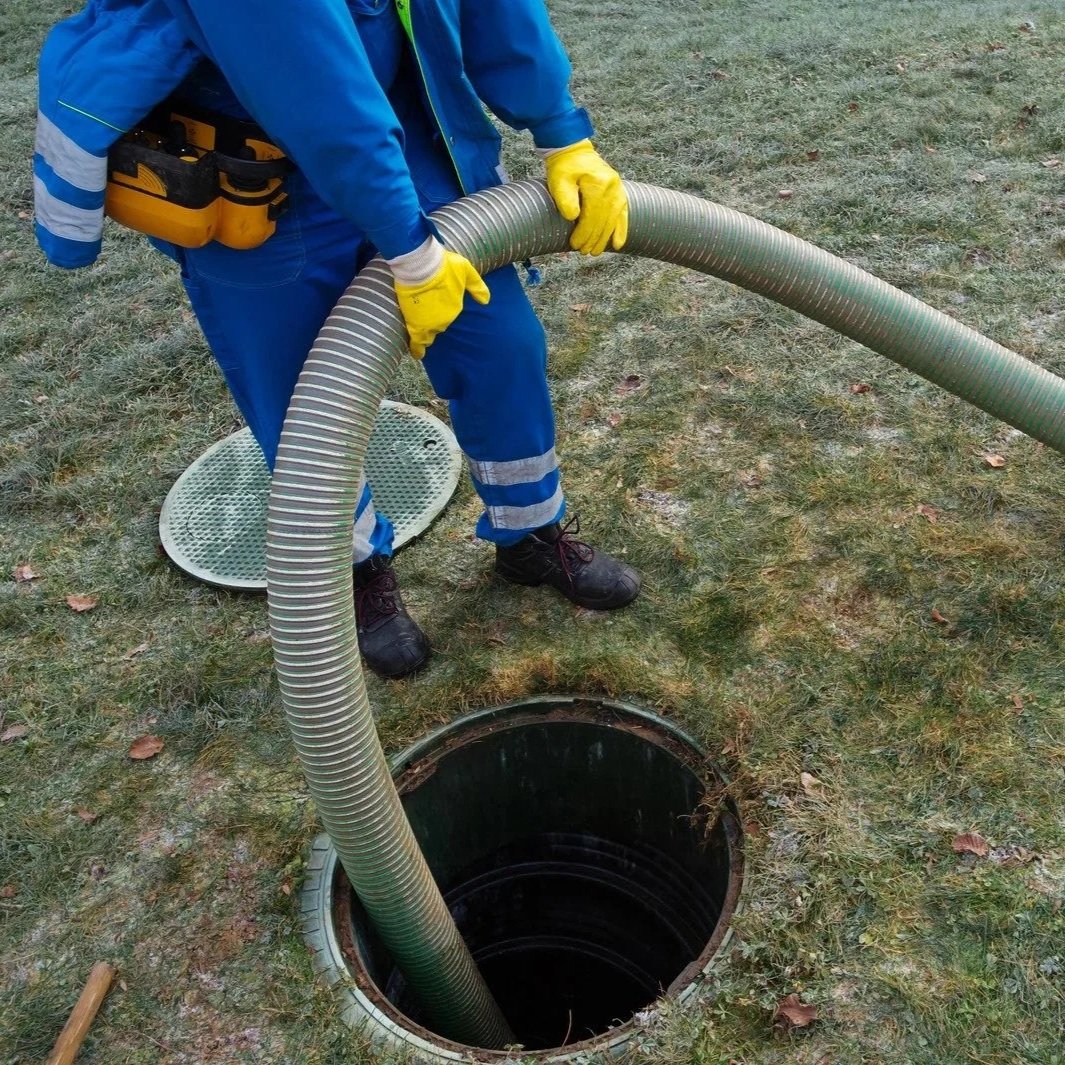
Septic pumps do not usually fail without warning. They give off signals long before they stop working altogether, but those signals often go unnoticed or get explained away as temporary quirks. After years of pulling failed pumps out of tanks, responding to emergency calls, and seeing the same patterns repeat, one thing becomes clear. Septic pump replacement almost always costs less and causes far less disruption when it happens before total failure. Waiting until a pump quits completely usually turns a manageable service call into a messy, urgent problem that affects the entire system.
A septic pump plays a critical role in systems that rely on elevation changes, pressure distribution, or advanced treatment components. When the pump struggles, wastewater does not flow as it should. Levels rise, alarms activate, and drain fields face overload. Recognizing the signs that a pump is nearing the end of its useful life gives homeowners the chance to act on their own timeline rather than reacting during a backup or overflow. Understanding those signs also helps separate normal pump behavior from symptoms that should not be ignored.
How Septic Pumps Age Over Time
Septic pumps operate in a harsh environment. They sit submerged in wastewater, cycle on and off repeatedly, and handle solids, grease, and debris that inevitably pass through the tank. Even high-quality pumps experience wear as seals degrade, bearings loosen, and motors lose efficiency. Age alone does not determine failure, but it plays a major role in a pump's reliability.
Most septic pumps have an expected service life range rather than a fixed expiration date. Usage patterns, water volume, electrical stability, and maintenance all influence longevity. Pumps in homes with high water usage or frequent cycling wear out faster than those operating under lighter loads. Electrical fluctuations also shorten motor life, especially in areas prone to storms or power interruptions.
As pumps age, they often continue working while becoming less efficient. That gradual decline creates subtle symptoms that signal replacement before failure. Paying attention to those early changes prevents the system from reaching a critical tipping point.
Frequent Alarm Activations Without Obvious Cause
One of the most reliable indicators of pump trouble involves repeated alarm activations. Septic alarms are designed to warn homeowners when wastewater levels rise above normal operating levels. When alarms activate occasionally during unusual circumstances, such as extended power outages, that may not indicate pump failure. When alarms activate repeatedly under normal conditions, something is wrong.
A struggling pump may still run but fail to move wastewater fast enough. As a result, levels rise higher than expected before dropping back down. The alarm activates, then resets, creating a pattern that feels intermittent and confusing. Homeowners sometimes silence alarms and continue normal water use, assuming the issue has resolved itself.
Repeated alarm events often signal declining pump performance rather than random glitches. Replacing the pump at this stage prevents overflow, protects the drain field, and avoids emergency service calls that occur once the pump stops altogether.
Longer Pump Run Times Than Normal
Pump run time provides valuable insight into pump health. When a pump is new and functioning properly, it moves wastewater efficiently and shuts off within a predictable window. As pumps wear, they often take longer to empty the tank to the normal shutoff level.
Longer run times indicate reduced pumping capacity. The motor may be weakening, the impellers may be worn, or the internal components may be clogged with debris. While the pump still works, it operates closer to its limits during each cycle. That extra strain accelerates wear and increases the risk of failure.
Homeowners rarely monitor run times directly, but changes become noticeable through increased noise, delayed shutoff, or alarms that activate more frequently. Replacing the pump once run times increase significantly protects the system from overload and reduces electrical stress.
Unusual Noises Coming From The Pump System
Healthy septic pumps operate with relatively consistent sound patterns. While some noise is normal, especially during startup, changes in sound often indicate internal wear. Grinding, rattling, humming, or clicking noises suggest failing bearings, worn impellers, or electrical issues.
Noise changes often appear gradually. What starts as a faint hum may grow louder over months. Homeowners may adapt to the sound without realizing it reflects mechanical deterioration. By the time noise becomes impossible to ignore, the pump may be close to failure.
Replacing a pump once abnormal noises appear avoids a catastrophic breakdown. Continued operation under mechanical stress increases the chance of sudden failure, often at the worst possible time.
Inconsistent Water Levels In The Pump Tank
Stable water levels indicate stable pump performance. When water levels fluctuate unpredictably, the pump may struggle to maintain proper flow. Levels that remain elevated after pumping cycles suggest declining capacity.
In some cases, pumps cycle frequently but fail to lower water levels adequately. That behavior often reflects internal wear rather than external blockage. Continued operation under these conditions increases stress on floats, controls, and electrical components.
Monitoring water levels during routine maintenance provides early warning. Replacing the pump when levels stop returning to normal prevents alarms, backups, and drain field overload.
Frequent Electrical Issues Or Tripped Breakers
Septic pumps rely on electrical power to function. As motors wear, they may draw more current to achieve the same output. Increased electrical demand leads to tripped breakers, blown fuses, or overheating.
Electrical issues tied to the pump often get blamed on wiring or control panels. While those components can fail, repeated electrical problems frequently trace back to the pump motor itself. Ignoring these signs risks complete motor burnout or damage to other electrical components.
Replacing a pump that strains the electrical system prevents cascading failures that increase repair scope and cost. Electrical symptoms rarely improve on their own and often worsen quickly once they begin.
Pumps That Are Near Or Past Expected Service Life
Even pumps that appear to function normally may warrant replacement based solely on age. Once a pump reaches the later stages of its expected service life, failure risk rises sharply. Components degrade internally even when outward performance seems acceptable.
Homeowners often prefer to wait until failure occurs, especially when the pump still runs. That approach ignores the consequences of sudden failure, including wastewater overflow, property damage, and emergency repair costs.
Replacing a pump proactively near the end of its expected lifespan allows scheduling on favorable terms. Planned replacement costs less and avoids disruption compared to emergency response after failure.
Excessive Cycling Or Short Cycling Behavior
Short cycling occurs when a pump turns on and off more frequently than it was designed to. That behavior stresses motors, floats, and electrical controls. Short cycling often results from worn components, improper float operation, or declining pump efficiency.
Excessive cycling generates heat and accelerates wear. Over time, it dramatically reduces pump lifespan. Homeowners may notice lights flickering, alarms activating briefly, or audible clicking as the pump cycles repeatedly.
Replacing a short-cycling pump restores normal operation and protects control components from premature failure. Continued operation under short-cycling conditions almost guarantees a sudden breakdown.
Visible Wear Or Corrosion During Inspection
Routine septic maintenance sometimes reveals visible deterioration of the pump. Corrosion on metal components, cracked housings, or damaged wiring indicates advancing wear. Pumps exposed to harsh wastewater conditions often exhibit external signs before internal failure.
Visual inspection alone cannot predict the exact timing of failure, but it provides valuable context. When visible wear aligns with other symptoms, such as alarms or noise changes, replacement becomes the prudent choice.
Replacing pumps before structural failure prevents debris from damaging downstream components or clogging lines during breakdown.
Drain Field Stress Caused By Pump Underperformance
A failing pump affects more than the pump tank. Reduced flow efficiency changes how wastewater reaches the drain field. Prolonged high water levels increase hydraulic load and stress soil absorption capacity.
Drain fields tolerate brief overloads poorly. Repeated stress accelerates biomat buildup and reduces the efficiency of soil treatment. What begins as a pump issue often becomes a drain field problem when replacement is delayed.
Replacing a pump early protects the drain field from unnecessary overload and extends overall system lifespan. Ignoring pump performance shifts can cause damage downstream, where repairs cost far more.
Seasonal Failures And Environmental Stress
Many septic pump failures occur during periods of heavy use or environmental stress. Holidays, storms, and extended wet seasons increase demand while exposing weaknesses. Pumps nearing the end of their lifespan often fail during these peak periods.
Replacing a pump before predictable stress events reduces failure risk during the times when repairs prove most disruptive. Planning replacement during stable conditions avoids emergency service during storms or holidays.
Seasonal patterns offer clues. Pumps that struggle consistently during high-use periods likely lack remaining capacity. Replacement restores reliability before critical failure occurs.
Cost Comparison Between Early Replacement And Emergency Failure
Early replacement almost always costs less than emergency failure response. Planned service avoids overtime rates, property damage, and secondary repairs. Emergency failures often require cleanup, temporary measures, and expedited parts.
Beyond direct cost, emergency failures create stress and inconvenience that planned replacement avoids. Homeowners regain control by scheduling replacement rather than reacting to a crisis.
Evaluating cost across the full impact of failure, rather than just pump price alone, clarifies the value of proactive replacement.
Choosing The Right Replacement Pump
Replacement decisions should consider system design, usage patterns, and local conditions. Matching pump capacity to system requirements improves efficiency and longevity. Oversized or undersized pumps create new problems.
Professional evaluation helps select pumps designed for the specific environment and load. Quality installation verifies proper float placement, electrical protection, and long-term performance.
Replacing a pump offers an opportunity to upgrade reliability rather than simply restoring previous conditions.
Planning Replacement Before Failure Occurs
Planning replacement allows homeowners to coordinate timing, budget, and access. Replacement during routine maintenance minimizes disruption. Waiting until failure forces immediate action regardless of circumstances.
Proactive planning also allows for the inspection of related components, such as floats, wiring, and control panels. Addressing those items together improves overall system reliability.
Replacing a pump before failure represents responsible ownership rather than unnecessary expense.
Frequently Asked Questions
Most septic pumps last several years, depending on usage, water volume, and electrical conditions. Performance decline often appears before complete failure.
Alarms provide warning when water levels rise, but sudden mechanical or electrical failure can occur without advance notice.
Continued use during declining performance increases the risk of overflow, drain field damage, and emergency failure.
Pump replacement often costs less than repeated repairs and significantly less than the cost of damage caused by complete failure.
Routine maintenance provides an ideal opportunity to evaluate pump condition and plan for replacement before failure.
