Learning how to spot and fix hidden pipe breaks early can mean the difference between a manageable repair and widespread structural, environmental, and financial damage.
Hidden pipe breaks cause some of the most expensive and frustrating problems property owners face, largely because they develop out of sight and stay unnoticed until damage spreads. After years of tracing unexplained wet spots, following odor complaints that never quite made sense, and uncovering broken pipes that had been leaking for years, one truth becomes obvious. Underground leaks seldom happen suddenly. They evolve slowly, showing subtle warning signs long before a visible failure forces action. Learning how to spot and fix hidden pipe breaks early can mean the difference between a manageable repair and widespread structural, environmental, and financial damage.
Underground pipes operate under constant stress. Soil shifts, temperature changes, water pressure, age, and installation quality all affect how long they last. When a pipe fails below ground, water does not disappear. It follows gravity, saturates soil, undermines support, and spreads damage outward. The challenge for homeowners lies in recognizing early indicators that something underground is no longer behaving normally. Early detection allows targeted repairs that protect surrounding systems rather than reactive excavation after major failure.
Why Underground Pipe Breaks Often Go Unnoticed
Pipes buried beneath soil, concrete, or landscaping fail quietly. Unlike visible plumbing, there is no dripping faucet or puddle forming under a sink. Water leaking underground disperses into the soil, masking its presence while steadily weakening everything around it. Many homeowners only discover underground leaks after secondary symptoms appear, long after the original break occurred.
Hidden pipe breaks often develop from small cracks, joint separations, or material fatigue. These defects allow water to escape slowly rather than catastrophically. Over time, soil becomes saturated, pipes lose support, and damage expands. Because daily water use continues uninterrupted, homeowners assume everything functions normally until symptoms escalate.
Early awareness depends on understanding how underground leaks express themselves indirectly. Recognizing those subtle signs creates an opportunity to intervene before damage reaches foundations, septic systems, or surrounding structures.
Unexplained Increases In Water Usage
One of the earliest indicators of a hidden pipe break involves water usage patterns that no longer match household behavior. Underground leaks often cause water meters to register continuous flow even when fixtures remain off. Small leaks add up quickly, especially under constant pressure.
Homeowners may notice higher water bills without changes in routine. Seasonal explanations often get blamed first, but persistent increases warrant closer attention. Underground leaks do not correct themselves. They grow as soil erosion worsens and pipe defects expand.
Monitoring water usage provides valuable insight. Comparing meter readings during periods of no water use can reveal continuous flow. Catching this early allows repairs before saturation spreads to the surrounding soil and structures.
Persistent Wet Spots Or Soft Ground
Soil saturation remains one of the most common signs of hidden pipe breaks. Leaking water follows gravity and natural soil paths, often surfacing downhill from the actual break. Wet spots that never fully dry out deserve careful investigation, especially during dry weather.
Soft ground, spongy turf, or areas where grass grows faster often indicate excess moisture below the surface. These signs are frequently mistaken for irrigation or drainage issues. While surface water may contribute, underground leaks create persistent conditions that do not resolve with weather changes alone.
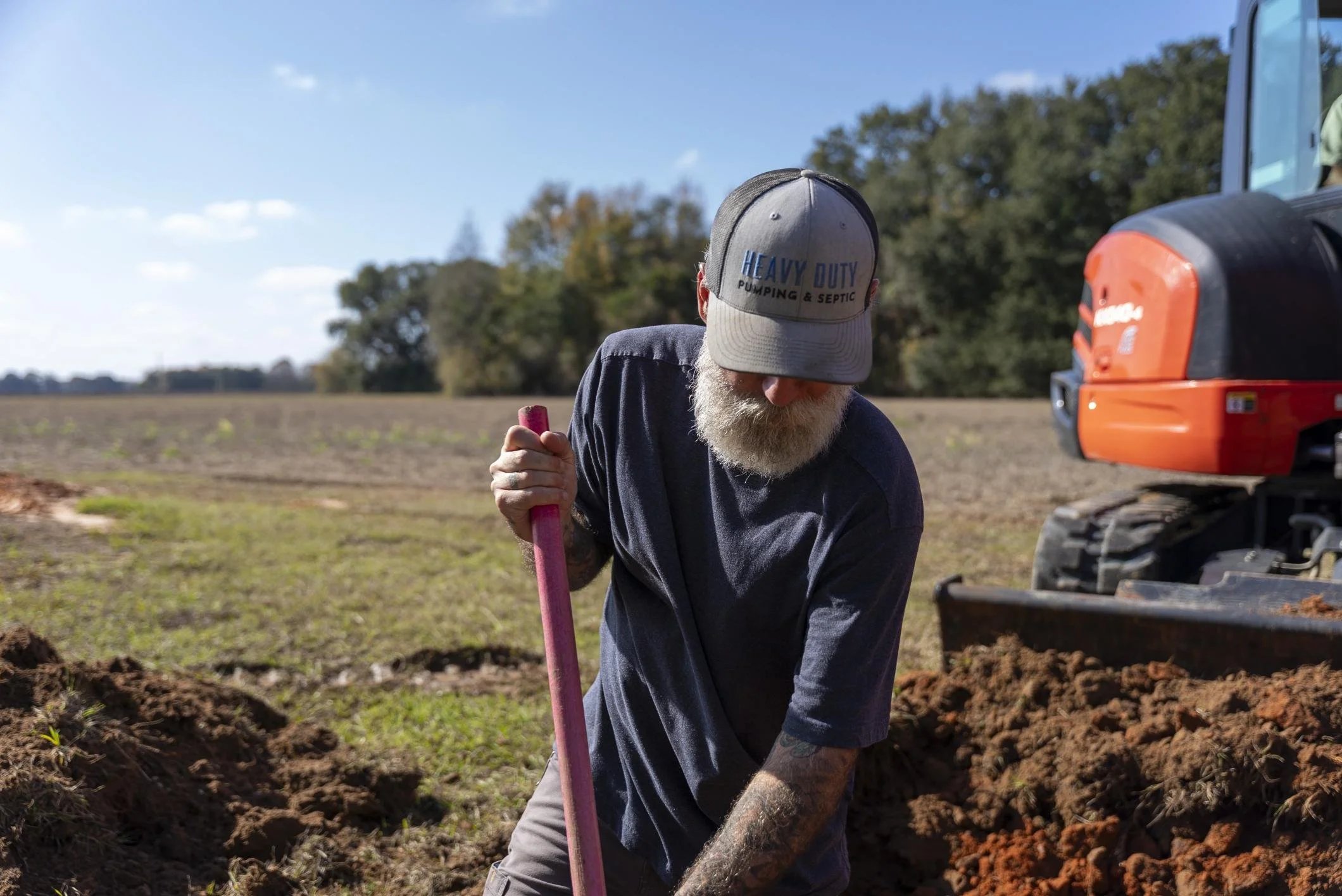
Early detection of abnormal soil moisture allows targeted excavation rather than widespread digging. Addressing the source prevents further erosion and protects nearby pipes from losing support.
Foundation Cracks And Structural Movement
Water escaping from underground pipes undermines soil stability. Over time, erosion removes support beneath slabs, footings, and foundations. That loss of support leads to cracking, settling, and structural movement that often appears unrelated at first glance.
Homeowners may notice hairline cracks widening slowly or doors sticking unexpectedly. While many factors influence foundation movement, hidden pipe breaks remain a common contributor. Continuous moisture alters soil volume, especially in expansive clay soils that swell and shrink dramatically.
Addressing underground leaks early stabilizes soil conditions and limits structural damage. Ignoring leaks allows movement to continue, increasing repair complexity and cost far beyond pipe replacement alone.
Unusual Odors Or Mold Growth
Underground leaks often create environments conducive to mold growth. Moist soil near foundations raises humidity levels in crawl spaces or basements. That moisture feeds mold, producing musty odors that linger without an obvious cause.
In wastewater or septic lines, leaks release odors directly into the surrounding soil. Those smells may surface intermittently depending on weather, pressure, or usage. Homeowners often attribute odors to plumbing vents or drainage issues rather than hidden breaks. Investigating persistent odors helps uncover leaks before contamination spreads. Early repairs protect indoor air quality and reduce health risks associated with prolonged moisture exposure.
Pressure Drops And Inconsistent Water Flow
Hidden pipe breaks sometimes reveal themselves through pressure changes. When water escapes underground, the available pressure at the fixtures drops. Homeowners may notice weaker flow, inconsistent pressure, or longer fill times without obvious plumbing issues inside the home.
Pressure-related symptoms often fluctuate. Changes in demand, soil saturation, or pipe movement affect how much water escapes. These inconsistencies make diagnosis challenging but also provide clues pointing underground. Identifying pressure changes early allows targeted testing rather than reactive repair after a full collapse or a major leak.
How Soil Conditions Influence Underground Leaks
Soil behavior plays a major role in how hidden pipe breaks develop and spread. Expansive clay soils shift with moisture changes, repeatedly placing stress on pipes. Sandy soils erode easily, undermining pipe support quickly once leaks begin.
High water tables add pressure and buoyancy, increasing the likelihood of joint separation or cracking. Poor drainage exacerbates saturation, allowing leaks to affect larger areas. Understanding local soil conditions helps determine risk level and repair urgency. Leaks in unstable soils escalate more quickly and cause greater damage, making early detection even more critical.
Common Causes Of Hidden Pipe Breaks
Pipe age remains a leading factor. Older materials such as cast iron, clay, or Orangeburg degrade over time. Corrosion, brittleness, and deformation increase the risk of failure. Even newer PVC can fail when installation quality or soil support proves inadequate.
Tree roots exert pressure as they seek moisture. Small cracks invite root intrusion, which widens defects and accelerates failure. Ground movement from construction, traffic, or erosion also contributes. Pressure fluctuations, freezing conditions, and improper bedding compound these stresses. Hidden pipe breaks are usually the result of multiple contributing factors rather than a single event.
Diagnostic Tools That Reveal Underground Leaks
Modern diagnostic tools allow professionals to locate hidden pipe breaks without unnecessary excavation. Camera inspections reveal cracks, separations, and blockages inside pipes. Pressure testing identifies leaks by measuring system integrity under controlled conditions.
Leak detection equipment listens for sound patterns created by escaping water. Moisture sensors track abnormal saturation. These tools narrow search areas and reduce property disruption. Accurate diagnosis supports precise repairs rather than guesswork. Early use of diagnostic tools often prevents widespread digging and collateral damage.
Repair Options For Early-Stage Leaks
Early-stage hidden pipe breaks often allow targeted repair. Localized pipe replacement, joint sealing, or reinforcement may restore integrity without replacing the entire line. These repairs work best when the surrounding pipe remains structurally sound.
Proper bedding and support matter during repair. Correcting underlying soil issues reduces the risk of recurrence. Repairs that address only the pipe, without stabilizing the soil, often fail again. Timely repair minimizes disturbance and cost. Waiting until damage spreads often eliminates these limited options.
When Replacement Becomes Necessary
Replacement is necessary when the pipe material has severely degraded or multiple leaks occur along the line. Widespread corrosion, collapse, or deformation rarely responds well to patchwork repair.
Replacement allows installers to correct original design flaws, improve alignment, and upgrade materials. Modern installation standards significantly improve longevity compared to older systems. While replacement initially involves more disruption, it often prevents repeated repairs and escalating damage. Early detection enables planned replacement rather than emergency response.
Protecting Surrounding Systems From Leak Damage
Hidden pipe breaks rarely affect only one component. Leaks undermine foundations, saturate septic systems, overload drain fields, and damage hardscaping. Early repair protects these interconnected systems from cascading failure.
Water escaping underground alters drainage patterns and soil behavior. Stabilizing leaks early restores balance and prevents secondary damage that multiplies repair costs. Viewing underground leaks as system-wide threats rather than isolated pipe issues improves repair outcomes and long-term stability.
Preventive Practices That Reduce Risk
Preventive inspection reduces the risk of hidden pipe breaks. Periodic camera inspections identify early wear before it leads to failure. Monitoring water usage and pressure changes provides additional warning.
Managing surface loads protects pipes from crushing. Avoiding vehicle traffic over buried lines preserves soil support. Controlling tree growth along pipe routes reduces the risk of root intrusion. Proactive care costs less than reactive repair and preserves property condition over time.
Why Early Action Saves More Than Money
Early detection saves more than repair costs. It protects structural integrity, indoor air quality, and environmental safety. It reduces stress and disruption associated with emergency excavation.
Homeowners who address hidden pipe breaks early maintain greater control over repair scope and timing. That control leads to better outcomes and fewer surprises. Delaying action rarely improves conditions. Underground leaks worsen quietly, expanding damage until options narrow.
Working With Professionals Who Understand Subsurface Systems
Hidden pipe breaks require specialized knowledge. Soil behavior, pipe materials, and system interaction all matter. Experienced professionals interpret subtle signs accurately and recommend appropriate solutions.
Relying on surface symptoms alone leads to misdiagnosis. Comprehensive evaluation reveals root causes rather than temporary explanations. Choosing expertise improves repair durability and protects long-term property value.
FAQs
How can I tell if I have an underground pipe leak?
Common signs include unexplained increases in water bills, persistent wet spots, soft soil, pressure drops, and musty odors without visible plumbing issues. These symptoms often appear gradually, making early detection important to prevent more extensive damage.
Do underground leaks always cause visible damage?
Not immediately. Many leaks remain hidden for months or years before surface symptoms appear. During this time, water may continue to affect surrounding soil and structures without obvious warning signs.
Can small underground leaks really cause major damage?
Yes. Even small leaks erode soil, undermine foundations, and stress surrounding systems over time. What starts as a minor issue can eventually lead to significant structural or landscaping problems if left unaddressed.
Is camera inspection the best way to find hidden pipe breaks?
Camera inspections provide direct visual confirmation and are often the most reliable diagnostic tool. They allow professionals to pinpoint the exact location and severity of a problem without unnecessary excavation.
When should I repair versus replace a leaking underground pipe?
Repair is appropriate when damage is localized and the pipe material remains sound. Replacement becomes necessary when deterioration is widespread or recurring, as repeated repairs may not provide a long-term solution.
Heavy Duty Pumping & Septic offers a comprehensive, one-stop solution for professional septic service in Lucedale, MS, including septic tank pumping and cleaning, septic tank replacement, septic system repair, septic system maintenance, and septic system inspection and testing. Our experienced technicians focus on preventing backups, ensuring system efficiency, and long-term performance. Protect your residential or commercial septic system today and enjoy reliable, worry-free operation.
