The alarm panel on your wall is blinking. Maybe the drains inside have slowed to a crawl, or there's a sour sewage smell near the housing outside. You already know the lift station is involved — the question you don't have an answer to yet is whether this is a $300 problem or a $10,000 one.
That's the thing nobody tells you about lift stations: "repair" covers an enormous range. A failed float switch and a burned-out pump are both lift station repairs. But they're an order of magnitude apart in cost, in complexity, and in how long they take to fix.
What Breaks and What Each Fix Costs
The biggest cost driver is which component failed. Here's how the most common repairs break down:
| Repair Type | Typical Cost Range | What to Know |
|---|---|---|
| Float switch replacement | $150–$500 | Simple part; labor is usually the larger share |
| Control panel repair (breakers, wiring) | $500–$2,000 | Wider range based on panel complexity and age |
| Check valve or gate valve replacement | $300–$1,200 | Higher if confined space access is required |
| Wet well cleaning | $1,000–$3,500 | Heavy grease or debris buildup raises the price |
| Pump repair (impeller, motor rebuild) | $1,500–$4,000 | On older units, often close to full replacement cost |
| Pump replacement — residential | $3,000–$8,000 | Includes parts, labor, startup testing |
| Pump replacement — commercial | $8,000–$15,000+ | Larger pumps, higher capacity, more labor time |
| Full electrical and panel overhaul | $3,000–$7,000 | Needed when wiring is corroded or controls are failing across the board |
These are standard-access numbers. If the station is buried deep, sits under a slab, or needs specialty lifting equipment to reach, expect labor costs to go up.
What Moves the Price
Two stations with the exact same failed pump can come with very different bills. Here's what creates that gap.
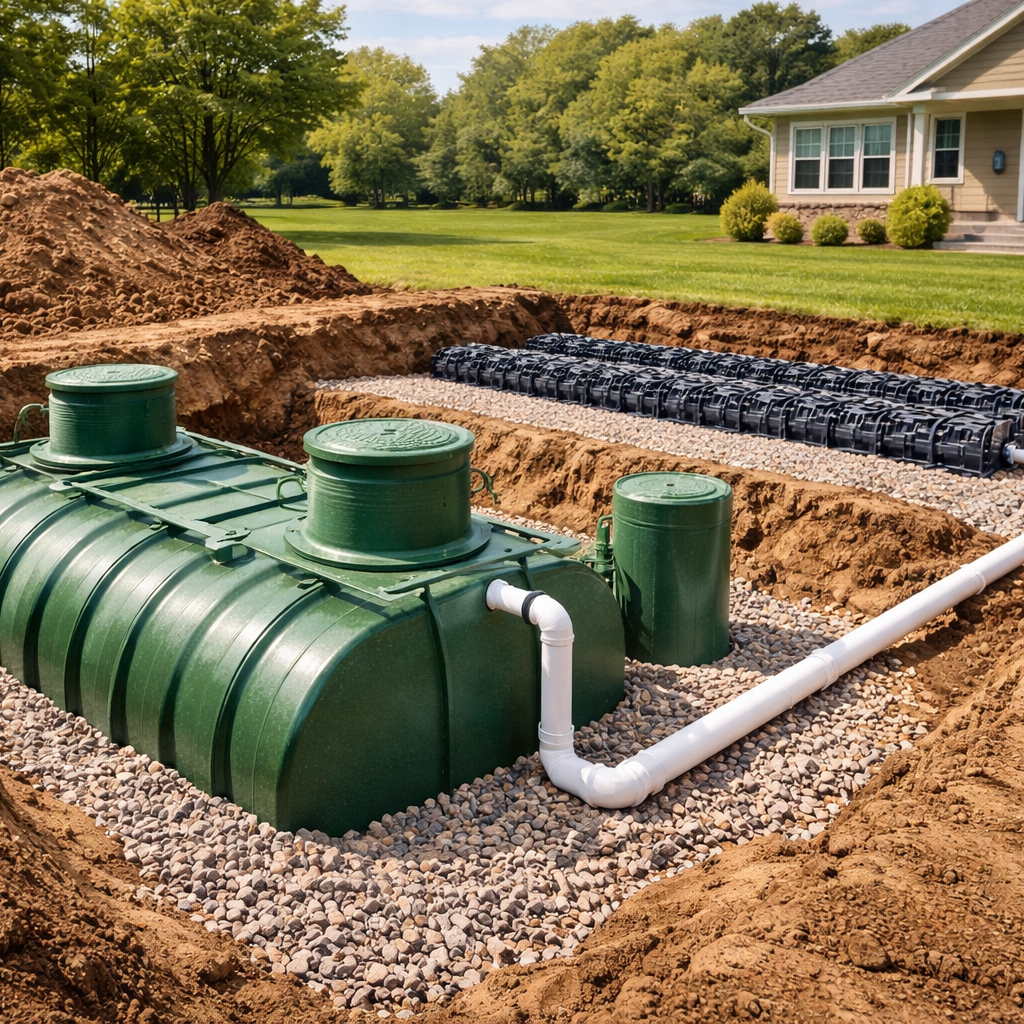
Depth and access conditions. Lift stations are buried — and the deeper the wet well, the more labor it takes to reach the pump. A residential station at 6 feet is a manageable job. A commercial station at 15 feet with a narrow access hatch means more time, more equipment, and sometimes a second technician for confined space safety. That adds up fast.
How long the problem went unaddressed. A float switch that failed last week might mean nothing more than a minor pump overrun. That same failure left alone for three months can cycle the pump into early burnout. A $300 part issue turns into a $5,000 pump replacement. Delays rarely save money on lift station problems.
Single pump vs. duplex systems. Most residential stations run one pump. Commercial and higher-capacity systems use two pumps that alternate loads. When a duplex system fails, it often means the backup pump was quietly carrying the full load long after the primary gave out — and both may need service. That's a very different job than a single-pump failure.
Pump age and hours. Submersible sewage pumps are generally rated for 8–15 years of service life. A pump in its 13th year that needs an impeller replacement is often within $500–$1,000 of full replacement cost. At that point, the repair just delays the inevitable without resetting the clock on the pump warranty.
Residential vs. commercial. Commercial stations move more volume, run more daily cycles, and deal with a wider range of waste content. Their pumps are larger, wet wells are bigger, and replacement parts cost more. Commercial lift station repair generally runs two to three times the cost of a comparable residential fix.
Signs the Station Needs Attention
The expensive lift station failures share a common trait. They were easy to miss before they became obvious. Here's what to watch for before the alarm tells you there's a problem.
The pump cycles constantly — or not at all. A pump that runs without stopping is fighting a load it can't clear. Either the float calibration is off, the pump has lost capacity, or there's a blockage on the discharge side. A pump that never cycles when it should means a dead float switch, an electrical fault in the panel, or a pump that's failed entirely.
Every drain in the house is slow. When the lift station stops pushing waste forward, the backup shows up at every drain inside — not just one. People often spend money snaking a line before someone checks whether the station itself has stopped working.
Persistent sewage smell near the housing. Some odor from a lift station is normal. A strong, constant smell usually means the wet well is overflowing slightly, a seal has failed on the housing, or hydrogen sulfide is escaping from a corroded concrete wall. None of these situations resolve on their own.
The high-water alarm trips. The alarm goes off when the wet well level rises past normal operating range. It could be a tripped breaker, a dead float, or a burned-out motor. But the alarm means waste isn't moving — and it'll start backing up into the building until someone addresses it.
Grinding or rattling during operation. That noise is almost always an impeller problem — worn, cracked, or wrapped with debris. Catching it at the grinding stage is far less expensive than letting the impeller fail completely and shred the pump's internals.
Repair or Replace? The Decision That Changes the Math
A station with a single failed component is almost always worth repairing. But the calculation shifts when multiple things fail close together, or when the station is past its prime.
The average lift station lasts 15–25 years with regular maintenance. Past the 15-year mark, if a repair quote runs more than 30–40% of the replacement cost, it's worth getting a replacement estimate before committing. You won't just fix today's failure — you'll also get a new pump warranty, updated controls, and a reset on the timeline before the next major issue.
The other case for replacement is capacity. If the original station was sized for a two-bedroom house and you've since added bedrooms, bathrooms, and more daily users, the station may be running over its design flow every single day. Repairing the current pump just keeps an undersized system alive.
Frequently Asked Questions
Address It Early
A lift station gives you plenty of warning before it fails completely. Pump cycling changes, a faint sewage smell, drains slowing across the whole house — these aren't random. They're the system telling you something's off. Catching it at the warning stage costs a fraction of what it costs after the alarm goes off at midnight and the wet well is already backing up through the floor.
