
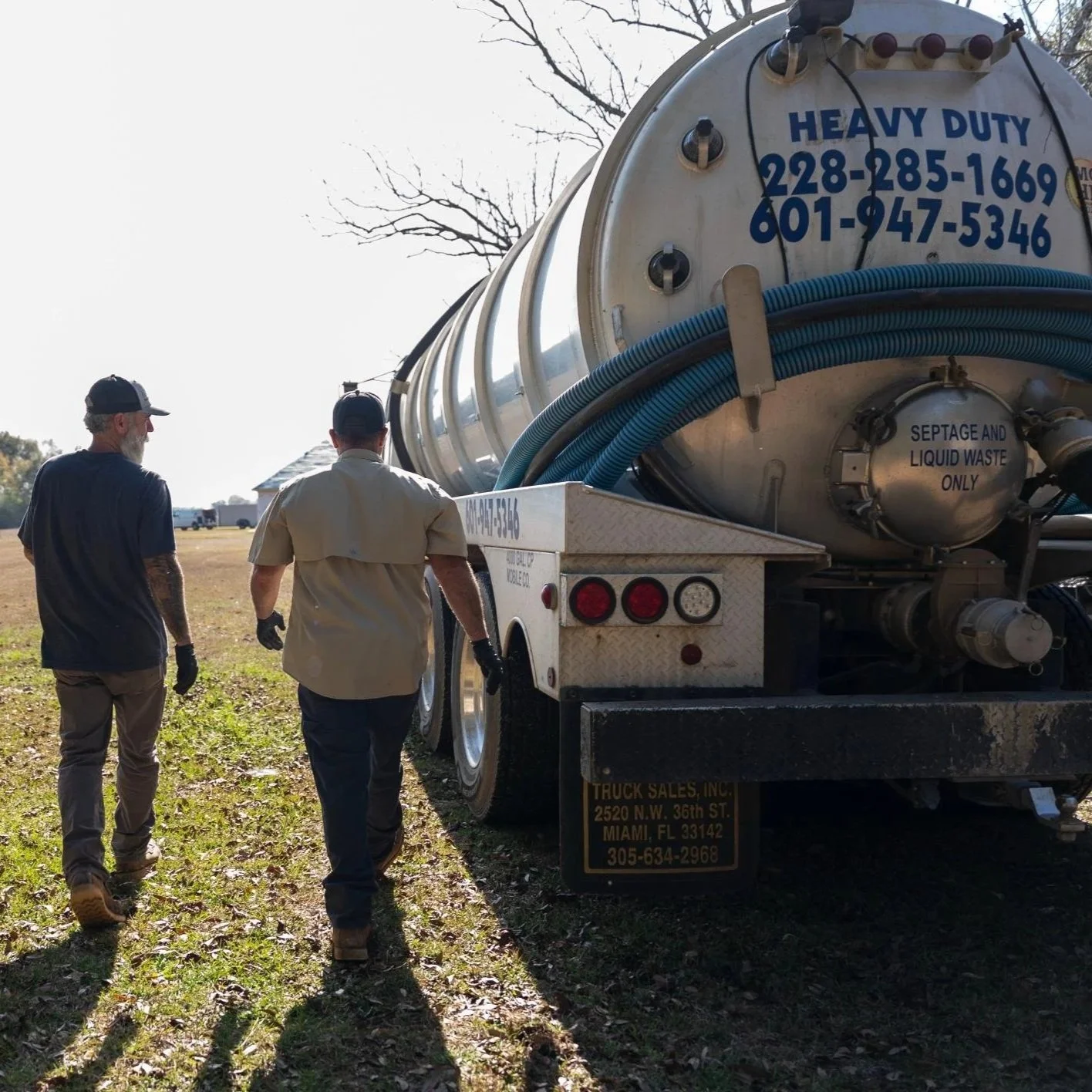
The closing agent emailed three days ago: inspection's set for Friday morning, and the buyer's septic inspector is coming at 9. Now it's Thursday night and you're wondering if this ties up your whole day or if it wraps up before lunch.
The range you'll find online is wide — anywhere from 45 minutes to four hours. Both ends of that range are real. What it actually takes comes down to the type of inspection ordered, how accessible your system components are, and what the inspector finds once the lid comes off the tank.
What the Timeline Actually Looks Like
A standard residential inspection on a typical single-tank system — concrete tank, accessible lids, conventional drain field, no pump — typically takes 1 to 2 hours from the time the truck pulls in to when the inspector packs up. Larger systems, advanced treatment units, or any property being inspected as part of a real estate sale often run 2 to 4 hours because more documentation is required and additional tests usually get added on.
| Inspection Type | Typical Duration |
|---|---|
| Routine homeowner inspection | 1–2 hours |
| Real estate purchase inspection | 2–4 hours |
| Large or complex system (ATU, pump system, multiple tanks) | 2–3 hours |
| Basic visual check, no pumping | 30–45 minutes |
| Full inspection with dye test or hydraulic load test | 3–4 hours |
The biggest single variable in that table is whether pumping is included and whether the inspector can reach the access covers without digging. Buried lids and absent records can each add 30 to 45 minutes before the actual inspection has even started.
What an Inspector Is Actually Doing Out There
That 2-hour window isn't spent waiting around. A full septic inspection works through several distinct steps, and most of them take longer than they look from the driveway.
First comes records review. If installation permits, pump logs, or system diagrams exist, the inspector looks them over before touching anything. If those records are missing — more common than not — they start by locating the tank and access covers without a map, which can eat 20 to 30 minutes on its own.
Once the covers are exposed, the inspector measures the sludge and scum layers inside the tank. Think of it like reading a tide line: those depths show how heavily the system's been used and whether the tank is keeping pace with the load. That data's gone the moment the tank gets emptied, which is why pumping happens after the measurements are taken — not before.
The drain field evaluation comes next. Walking the leach field, the inspector watches for standing water, soft spots, or grass that's growing faster and darker than the rest of the yard — surface signs that the soil isn't absorbing the way it should. Pump systems and aerobic treatment units add alarm tests and float switch checks on top of that. And if a camera run is included, expect another 20 to 40 minutes depending on pipe length and what turns up inside.
The report typically wraps up on-site and goes out the same day.
What Makes Inspections Run Long
Accessibility is the most common culprit. If the tank lid is buried with no riser installed, the inspector has to locate it first — probing the yard or running an electronic locating tool across it — and then expose it. On an older property with no records and no riser, that step alone can eat 30 to 45 minutes before the rest of the inspection begins.
System age and condition pile on from there. A tank with deteriorated baffles or visible cracks needs more careful documentation. A drain field showing borderline saturation signs will prompt the inspector to spend more time probing the absorption area rather than moving on after a visual pass.
Additional tests add time in predictable blocks. Dye testing adds 30 to 60 minutes: a colored dye gets flushed through the system and the inspector watches for it to surface at the drain field or along nearby ground. Hydraulic load testing is more involved — water goes in at a measured rate while the inspector monitors how the field responds, and that can run 60 to 90 minutes or longer. Both are common on purchase inspections and on older systems where the drain field is being scrutinized closely.
Real estate transactions layer on documentation requirements, no matter what the inspector finds — photos, measurements, and written condition assessments for each component. That's why purchase inspections almost always land in the 2 to 4 hour range, even when the system is performing well.
The One Thing Not to Do Before the Inspector Arrives
Don't pump the tank first. This is the most common mistake going into a sale. A homeowner schedules a pump and clean to "get ahead of it," and then the inspector shows up to a tank that tells them nothing. Sludge and scum layer measurements are what the inspector actually needs to do their job — they show how heavily the system has been used and whether the tank is keeping up. A freshly emptied tank is a blank slate.
If your tank is actually backing up before the scheduled inspection date, call the inspector's office. They'll coordinate. But if everything is running normally? Leave it alone. Let the inspector see what's actually there.
Frequently Asked Questions
Budget 2 to 4 hours for a real estate inspection. Purchase inspections are more thorough than routine homeowner inspections because the report becomes part of the transaction — the inspector documents everything with photos, measurements, and a written condition assessment for each component. Even when the system is clean and working well, the documentation process alone takes more time than a standard maintenance call.
Yes, and most inspectors prefer it. You'll be there to answer questions about the system's service history and past pump records. The inspector won't need you hovering, but being available when they wrap up means you get a verbal walkthrough of findings on the spot instead of waiting for the written report to figure out what happened.
It depends on what was ordered. A full inspection typically includes pumping because the inspector needs to measure sludge and scum levels before the tank gets cleared. Some inspections — particularly basic visual assessments — don't include pumping. Ask when you schedule so you know exactly what the appointment covers.
If you know where your access lids are, clear the area around them. That's very different from having to excavate a buried lid — the inspector will locate and expose covered lids, but that adds real time. A lot of homeowners install risers after their first inspection so future access takes seconds instead of a shovel.
The inspector delivers a written report, usually the same day. The report documents the condition of each component — tank, baffles, distribution box, drain field — and flags anything that needs attention. In a real estate transaction, that report goes to buyer and seller through the title company or their agents.
Yes. Rain softens the soil, which can make locating the tank harder and makes drain field evaluation less clear — wet conditions may mask normal performance or create the appearance of saturation where there isn't any. Snow cover adds locating time on top of that. If the inspection falls during or right after heavy rain, the inspector will note the weather conditions in their report.
Clear the Calendar, Not Just the Morning
Routine maintenance inspection on a system with accessible lids and a known layout? Ninety minutes is a reasonable expectation. Purchase inspection, older system, buried lids, or a drain field that's been showing any signs of stress? Clear half a day.
The fastest inspections happen when the homeowner knows where the access covers are, has some kind of service history to hand over, and isn't dealing with lids buried under a foot of soil. If none of that describes your situation right now, that's fine — but build the extra time into your schedule before the appointment, not while the inspector is already standing in your yard, wondering where the tank is.
