
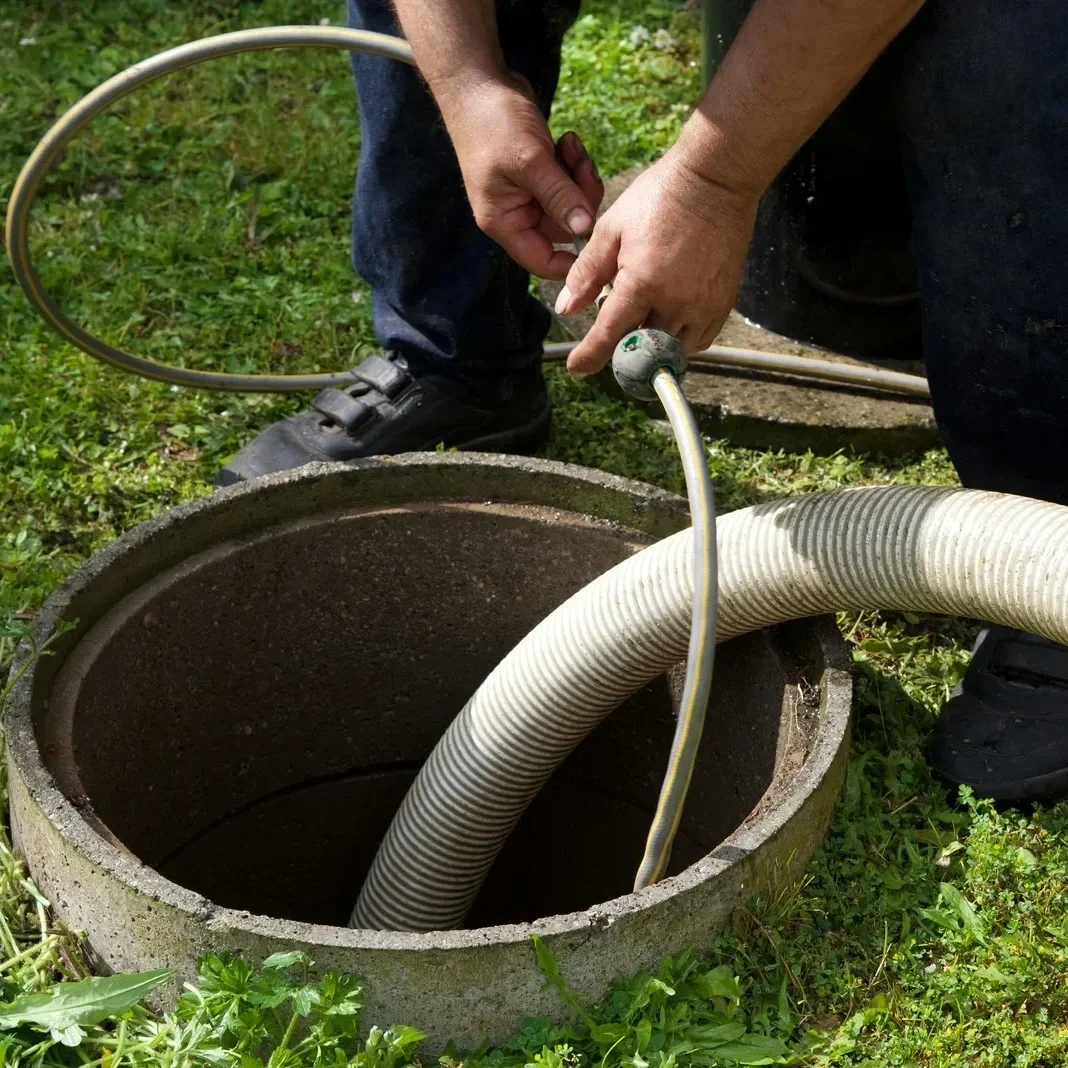
Can a Video Camera Inspection Find Hidden Septic Problems?
A video camera inspection is different. The camera goes where the problems actually live..
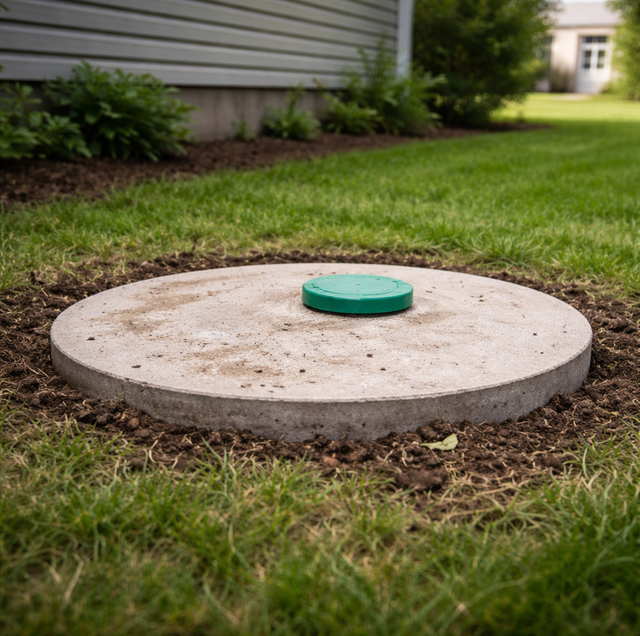
How a Septic System Works: Follow One Flush Start to Finish
If you have a septic system, everything that leaves your house through a drain ends up in the same place, and most homeowners have never seen it.
Can Hydro Jetting Damage Old Pipes?
Large-capacity septic systems for commercial buildings and facilities cost $20,000–$150,000+. Learn what drives the price and how sizing works.
Can a Failing Drain Field Be Repaired or Does It Need Replacement?
Alarms and failures usually result from conditions that developed slowly and were either misunderstood or overlooked.
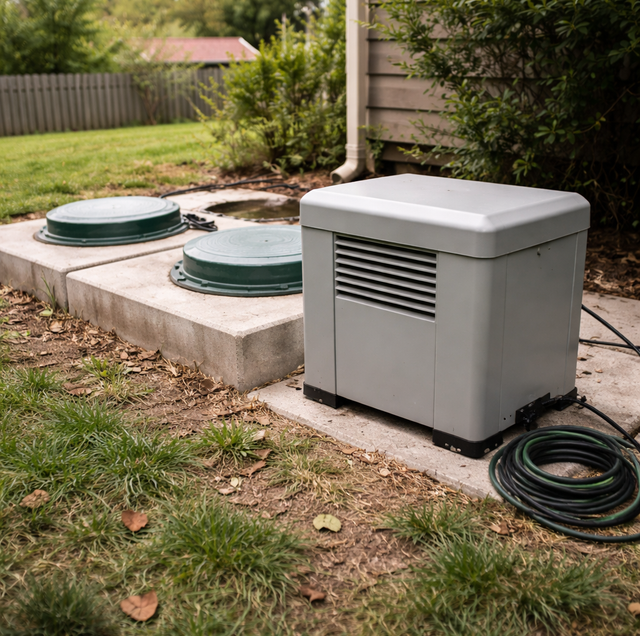
Aerobic Septic System vs. Conventional Tank: 7 Key Differences
If a soil test came back poor, your lot is small, or your water table sits high, an installer may have told you a standard septic tank won't pass.
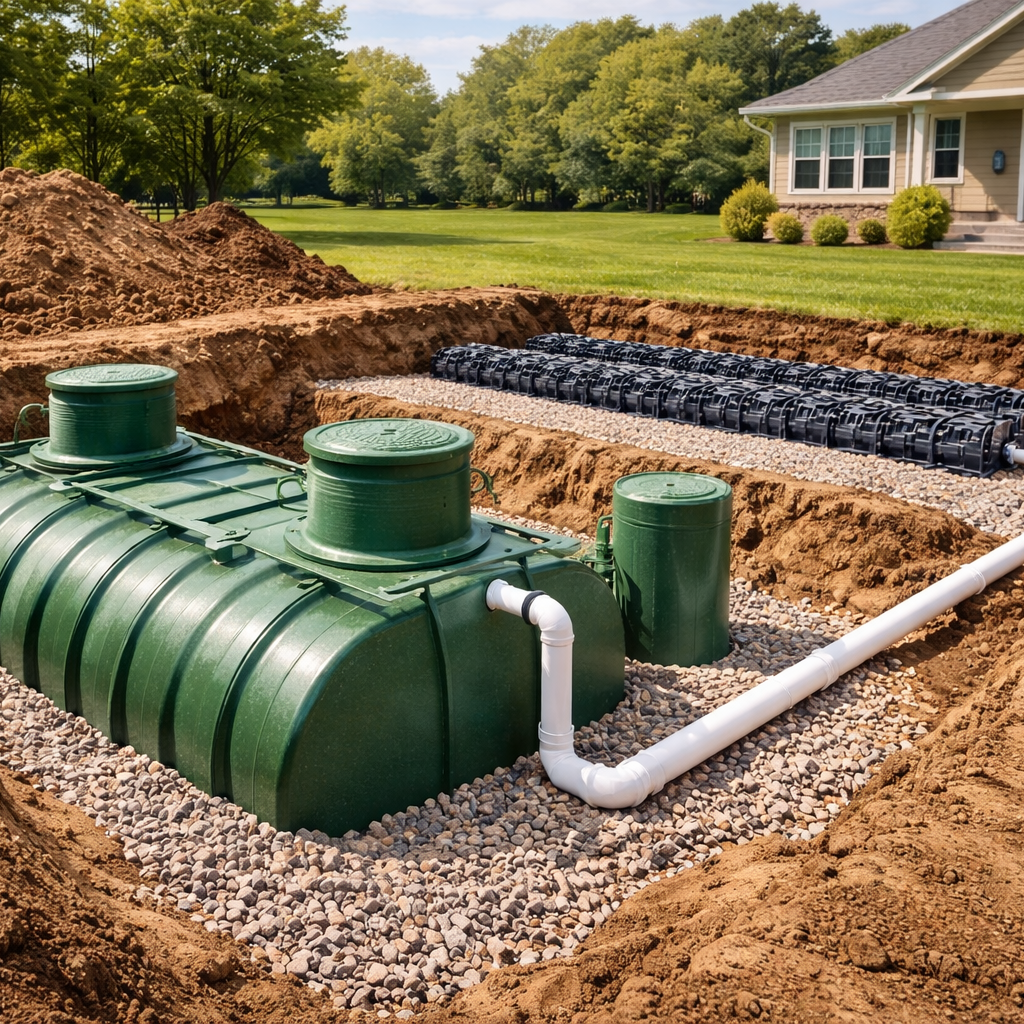
How Much Does Lift Station Repair Cost?
You already know the lift station is involved — the question you don't have an answer to yet is whether this is a $300 problem or a $10,000 one.
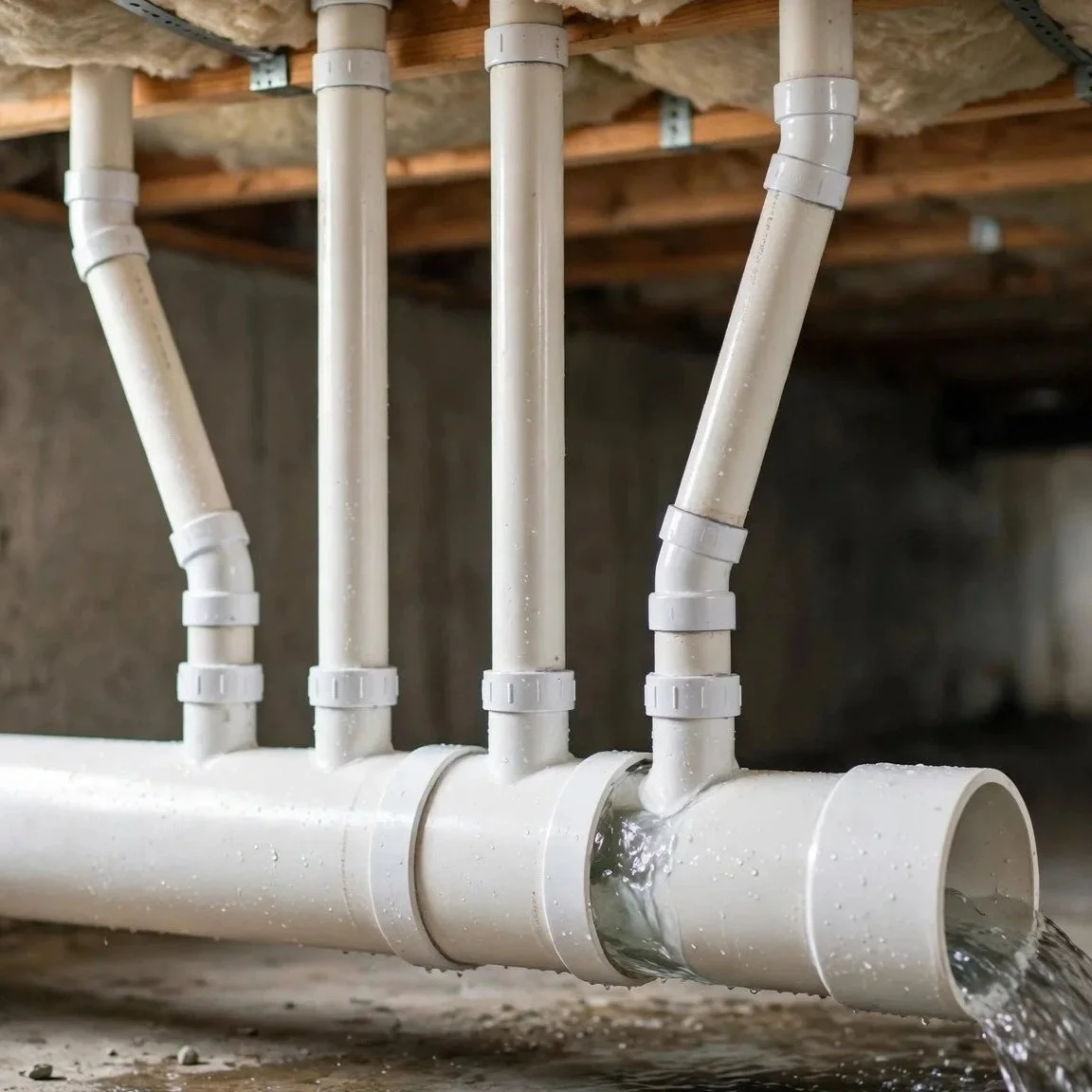
Why Are My Drains Slow Throughout the House? The Real Cause
When one sink drains slowly, you reach for a plunger or a hand auger, and the problem stays contained to that fixture. When the kitchen sink, both bathrooms, the tub, and the laundry all slow down within the same week, the plunger is the wrong tool, because nothing is wrong with any single fixture. The trouble is somewhere all of them have in common. Reading which pattern you have is the fastest way to tell a five-minute nuisance apart from a system problem that needs a truck in the driveway.
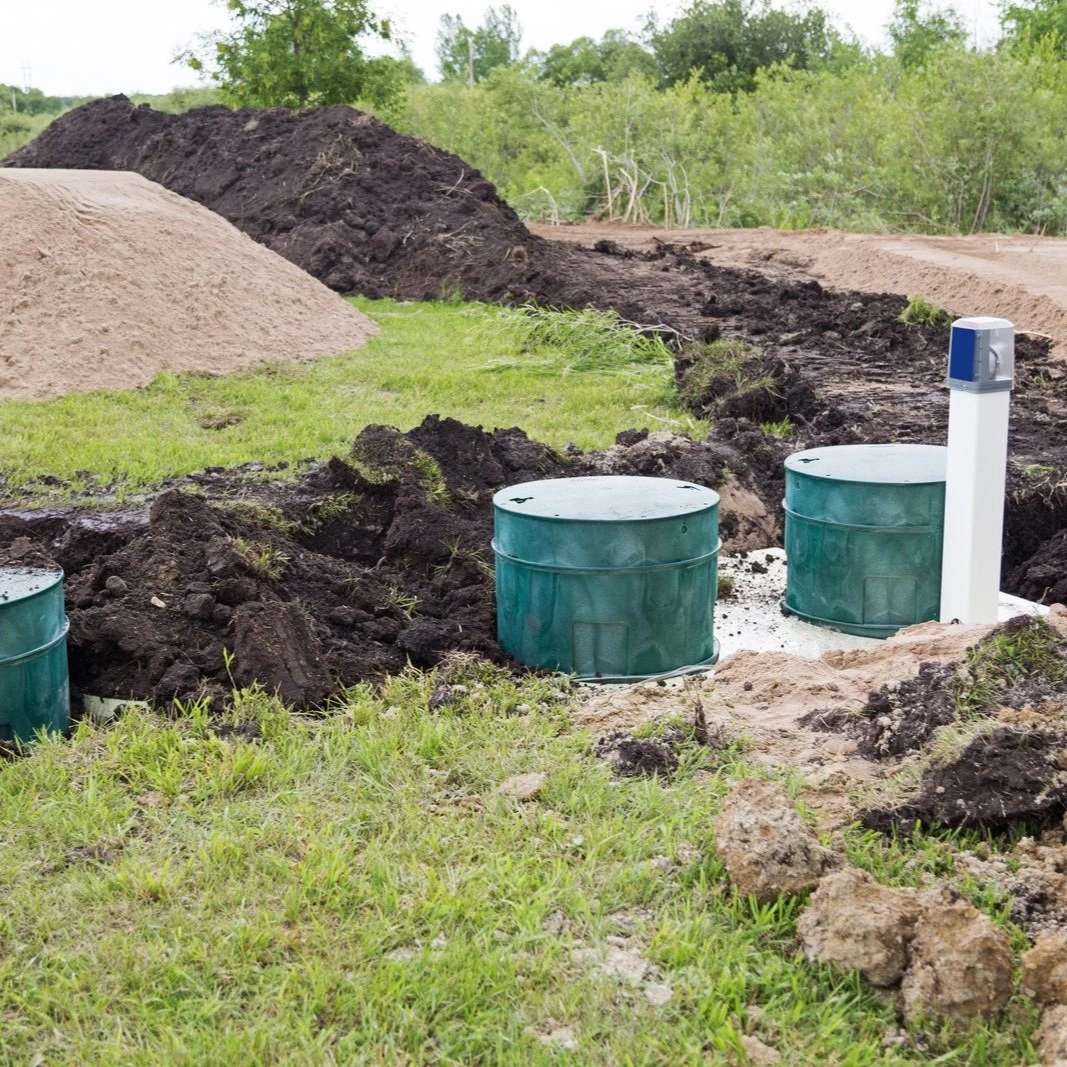
Can Heavy Rain Cause a Septic System to Back Up?
The rain changed things. The part of your septic system doing the most work on a normal day — the drain field — has essentially stopped.
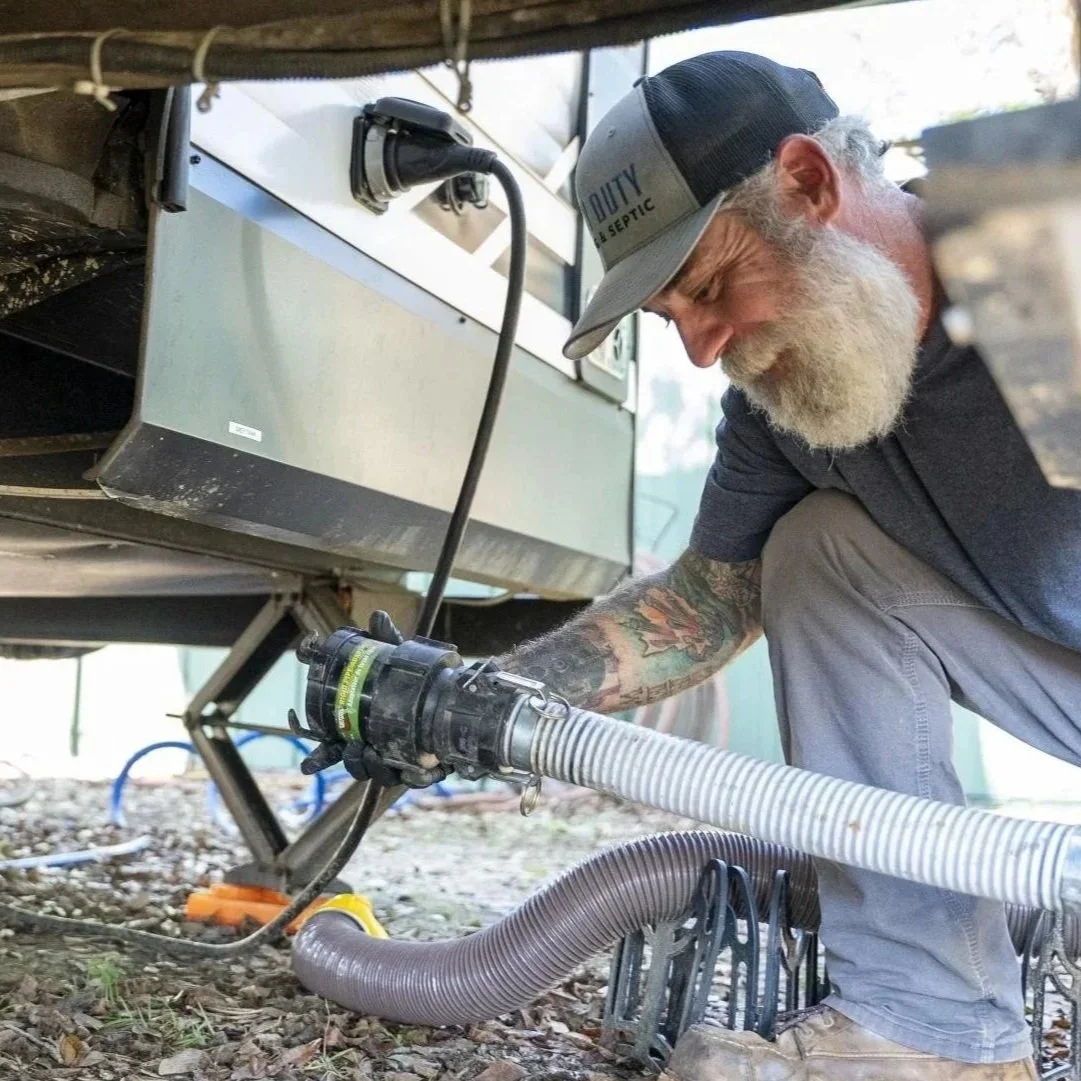
What Should You Do While Waiting for Emergency Septic Service?
What you do while you wait can mean the difference between a contained problem and sewage pushing deeper into your floors, walls, and yard
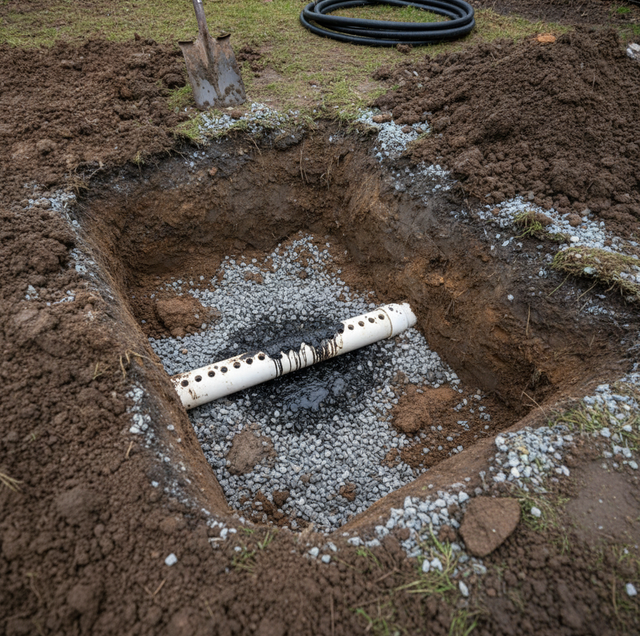
What Causes a Septic Drain Field to Fail?
The drain field is where a septic system does its final and most important job, yet it is the part homeowners understand the least. Everything that leaves the tank as liquid ends up here, spread through a network of perforated pipes bedded in gravel and released slowly into the soil. When it works, you never think about it. When it fails, the repair is usually the largest one a septic system will ever hand you, because a truly failed field often cannot be patched: it has to be dug up and rebuilt. Understanding what wears a field out is the first step to keeping yours out of that category.
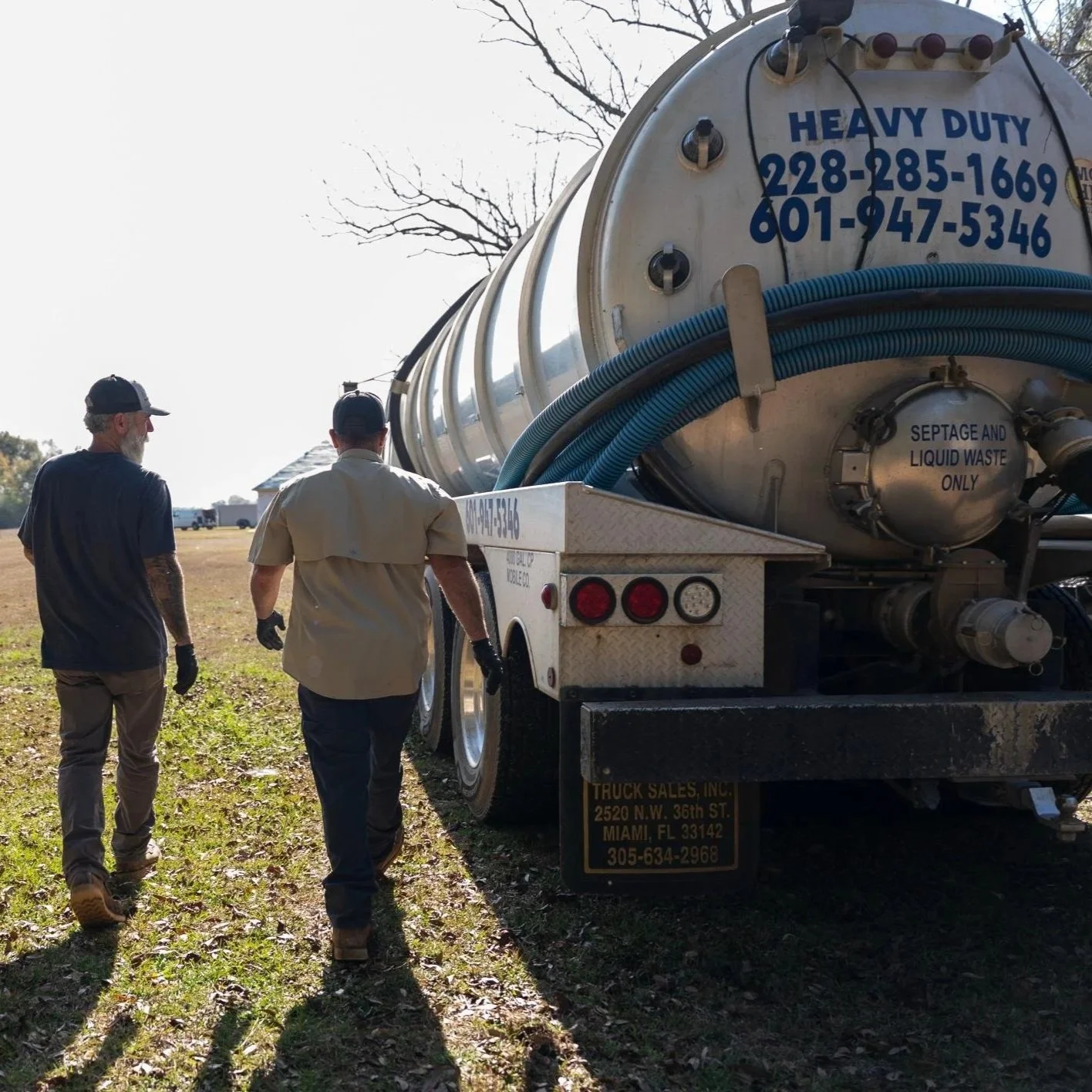
How Long Does a Septic System Inspection Take?
What it actually takes comes down to the type of inspection ordered, how accessible your system components are, and what the inspector finds once the lid comes off the tank.
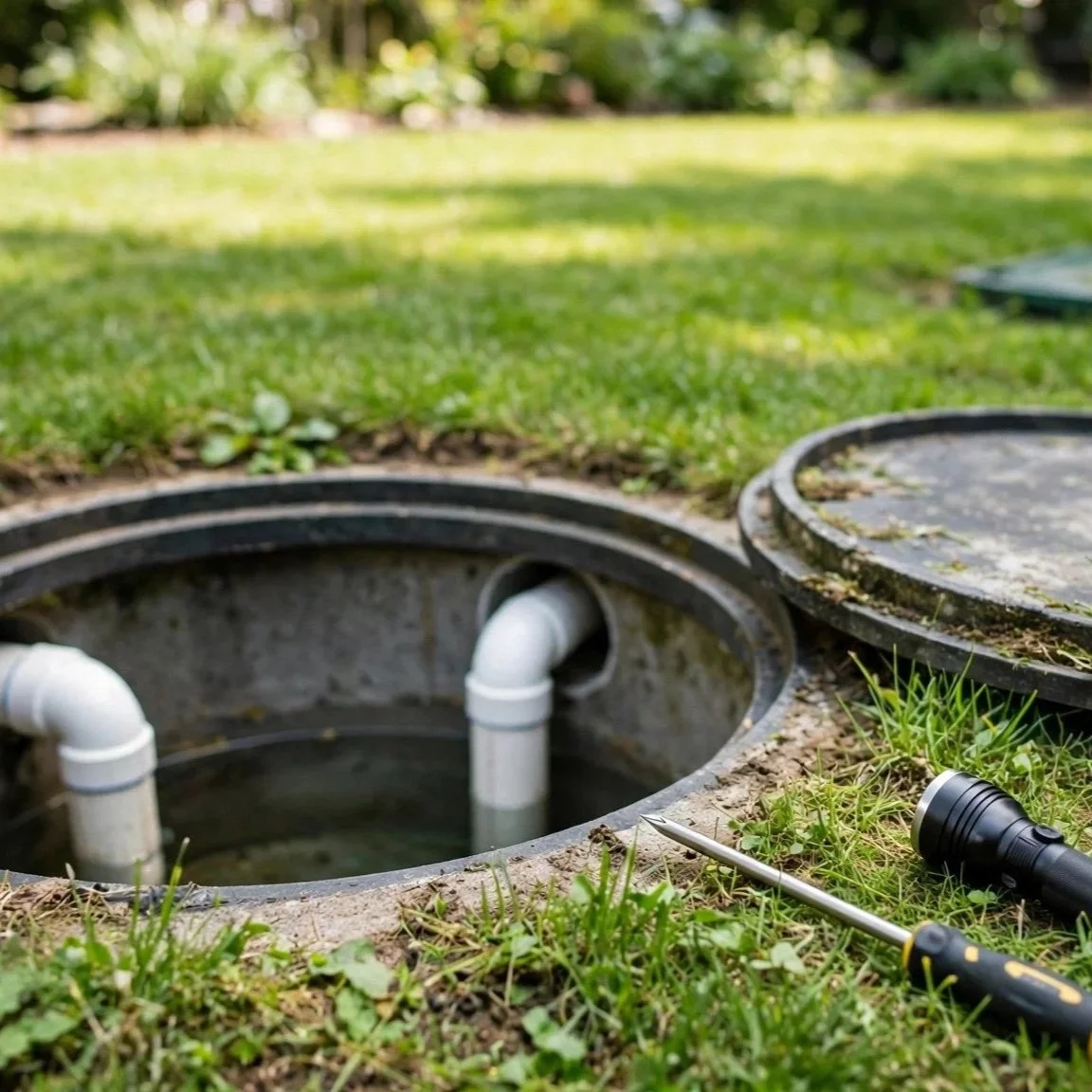
What a Septic Inspection Checks
The septic system is the part of a property nobody thinks about until it backs up into the house or bubbles up in the yard. It sits buried and out of mind, quietly handling everything that goes down the drains, which is exactly why a periodic inspection matters, and why a septic inspection is one of the smartest things to do before buying a home with one. The trouble is, most people have no idea what an inspector is actually looking at down there.
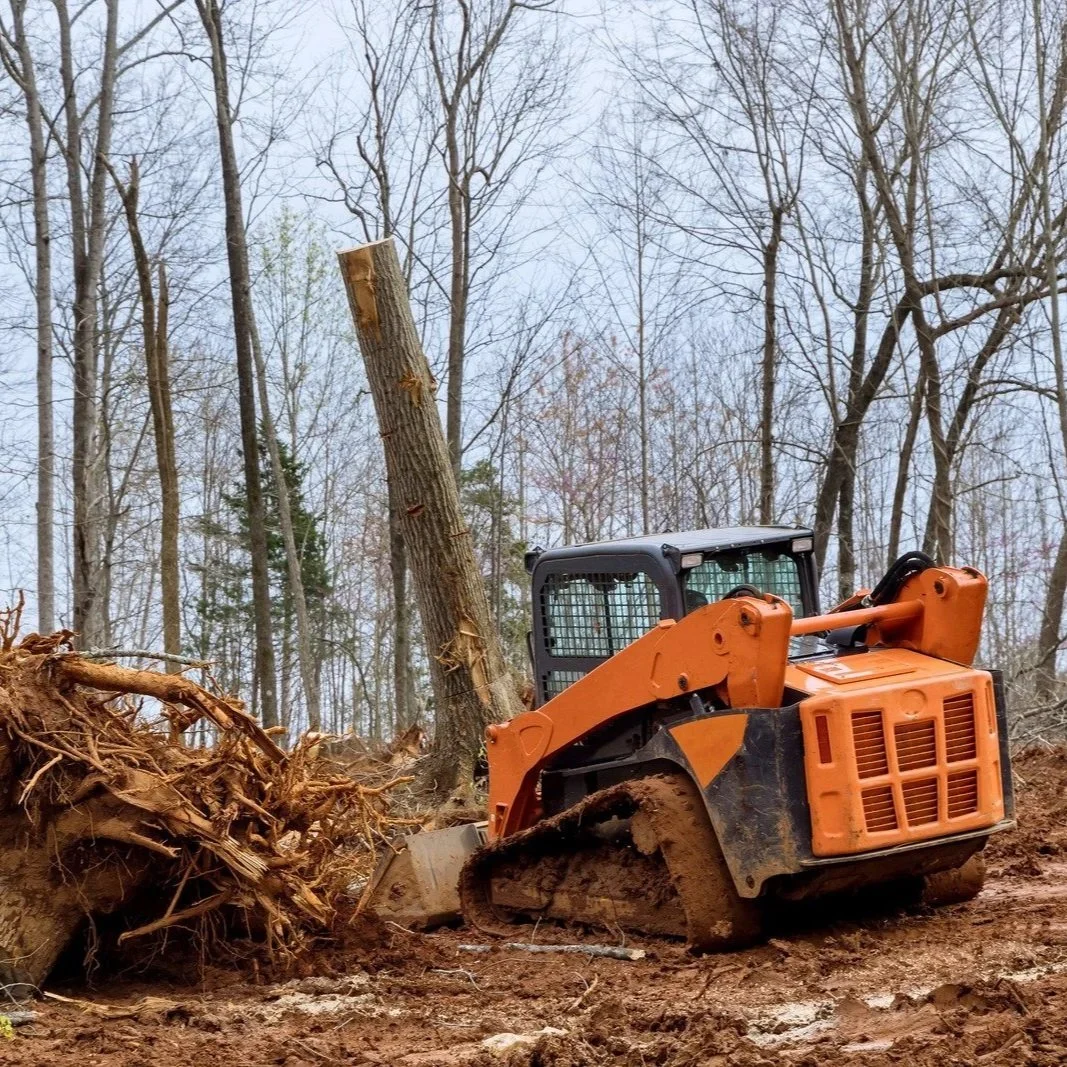
Why Does Root Removal Not Permanently Fix the Problem?
Large-capacity septic systems for commercial buildings and facilities cost $20,000–$150,000+. Learn what drives the price and how sizing works.
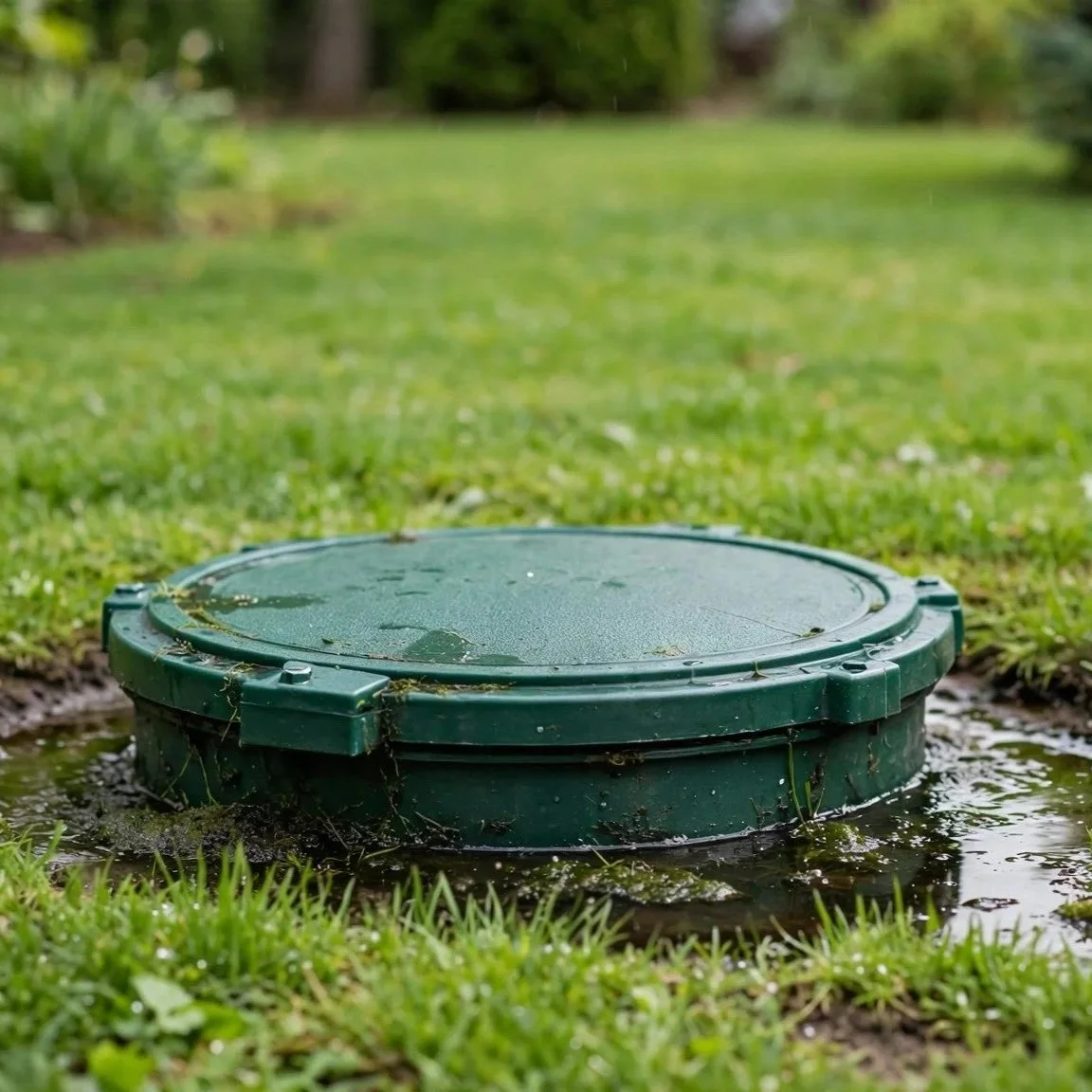
7 Septic Warning Signs That Show Up Before a Backup
A septic system rarely fails all at once. Weeks or months before sewage backs up into a shower or surfaces in the yard, the system usually drops a series of quiet hints. Miss them, and you get an emergency: a foul, expensive, unsanitary mess that arrives on the system's schedule, not yours. Catch them, and you get a phone call and a scheduled pump instead. The difference between those two outcomes is almost always a matter of noticing the early signs and acting while they are still small.
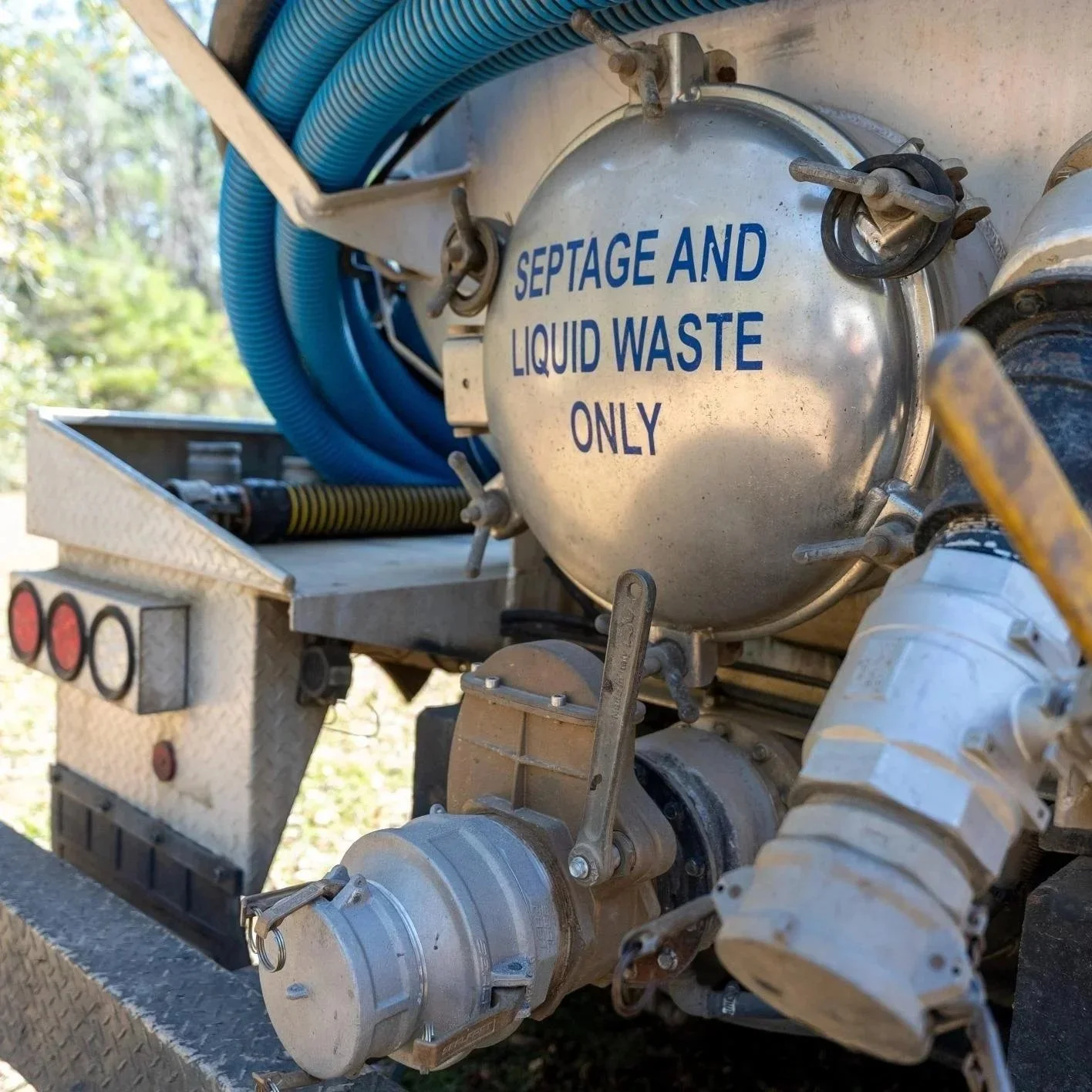
How Much Does Hydro Jetting Cost?
The plumber pulls up, hooks the jetter to your cleanout, and two hours later, your sewer line is clear. Then you get the invoice. If you've never had hydro jetting done before, the number can be surprising — especially if you just paid $175 to have the line snaked three months ago and it's backing up again.
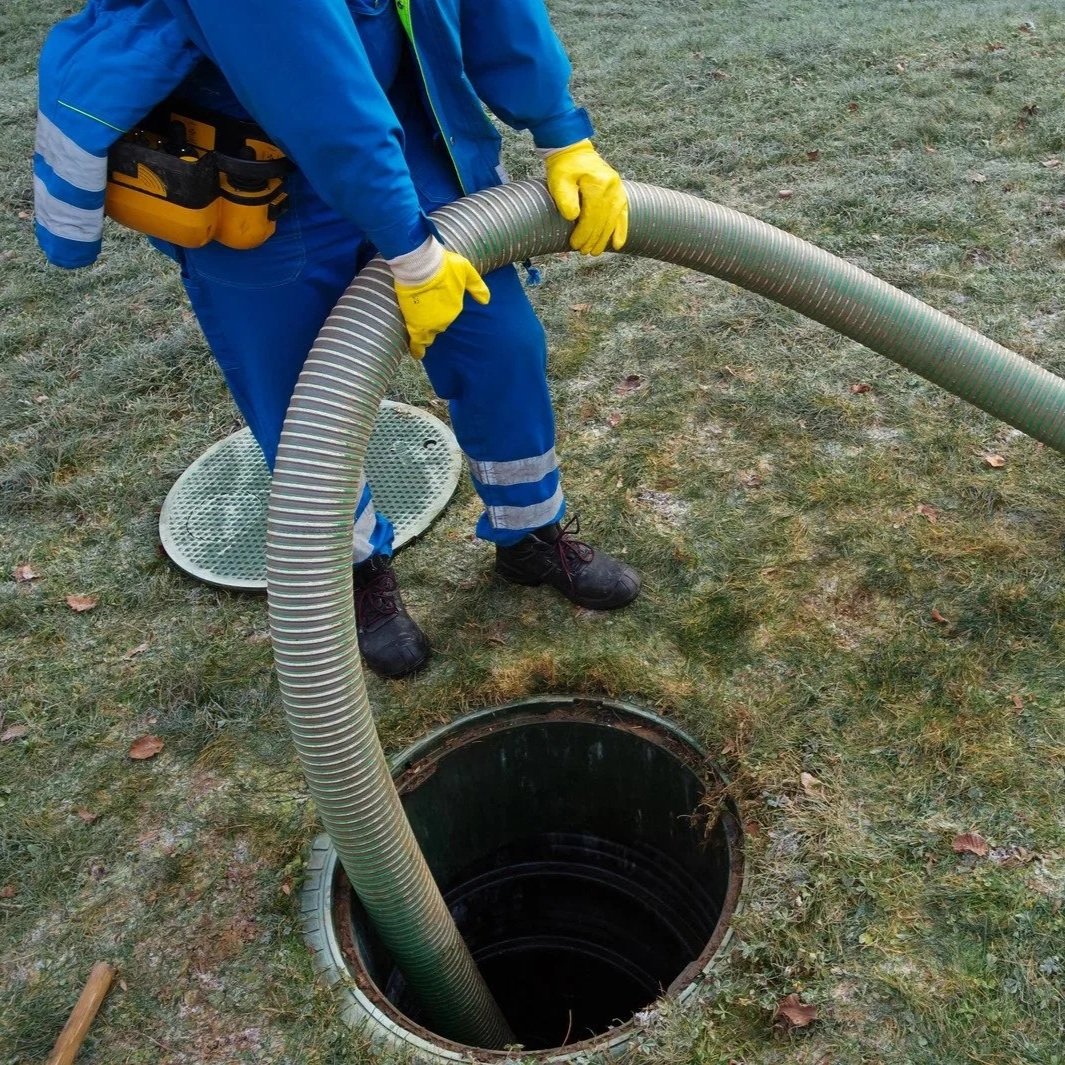
Signs It's Time to Replace Your Septic Pump Before It Fails
Technician pumping a septic tank through an access port, performing maintenance to prevent septic pump failure and backups.
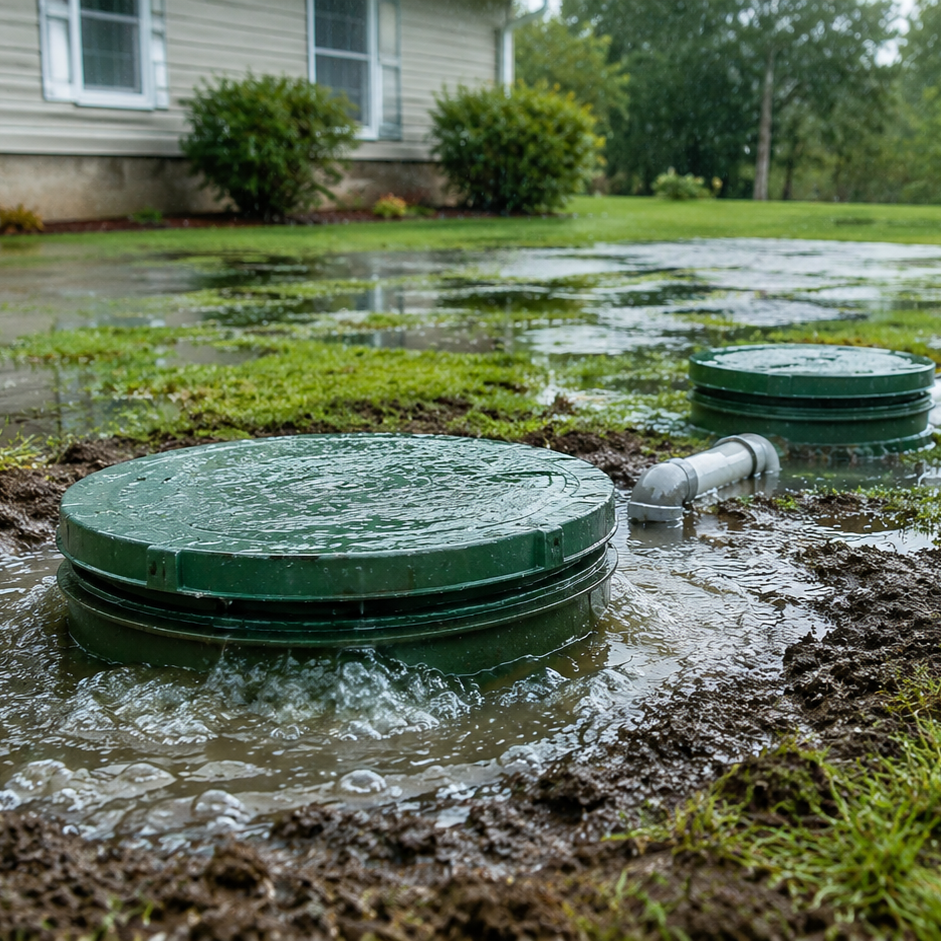
Septic Backing Up After Heavy Rain? What’s Happening
It catches many homeowners off guard: a heavy storm rolls through, and afterward, the septic system backs up. The link between rain and a septic backup isn't obvious — until you understand how the drain field depends on the soil around it. Once you do, it's clear why a saturated yard can overwhelm the system. Here's what's happening when heavy rain causes a septic backup, and what you can do about it.
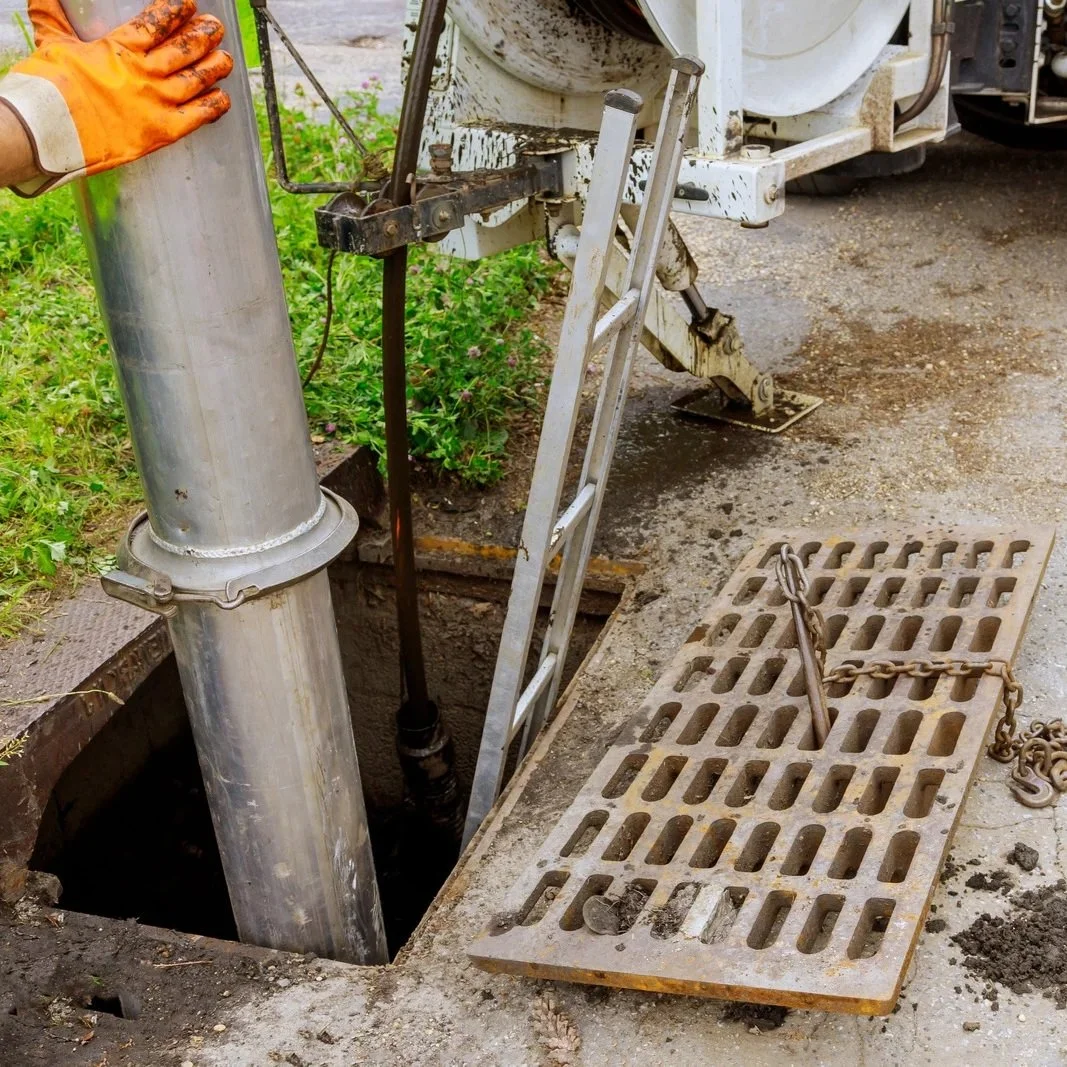
Sewage Ejector Pump Not Working? Common Issues and DIY Checks
A sewage ejector pump usually earns attention only when something goes wrong, and when it does, the situation can turn stressful fast.
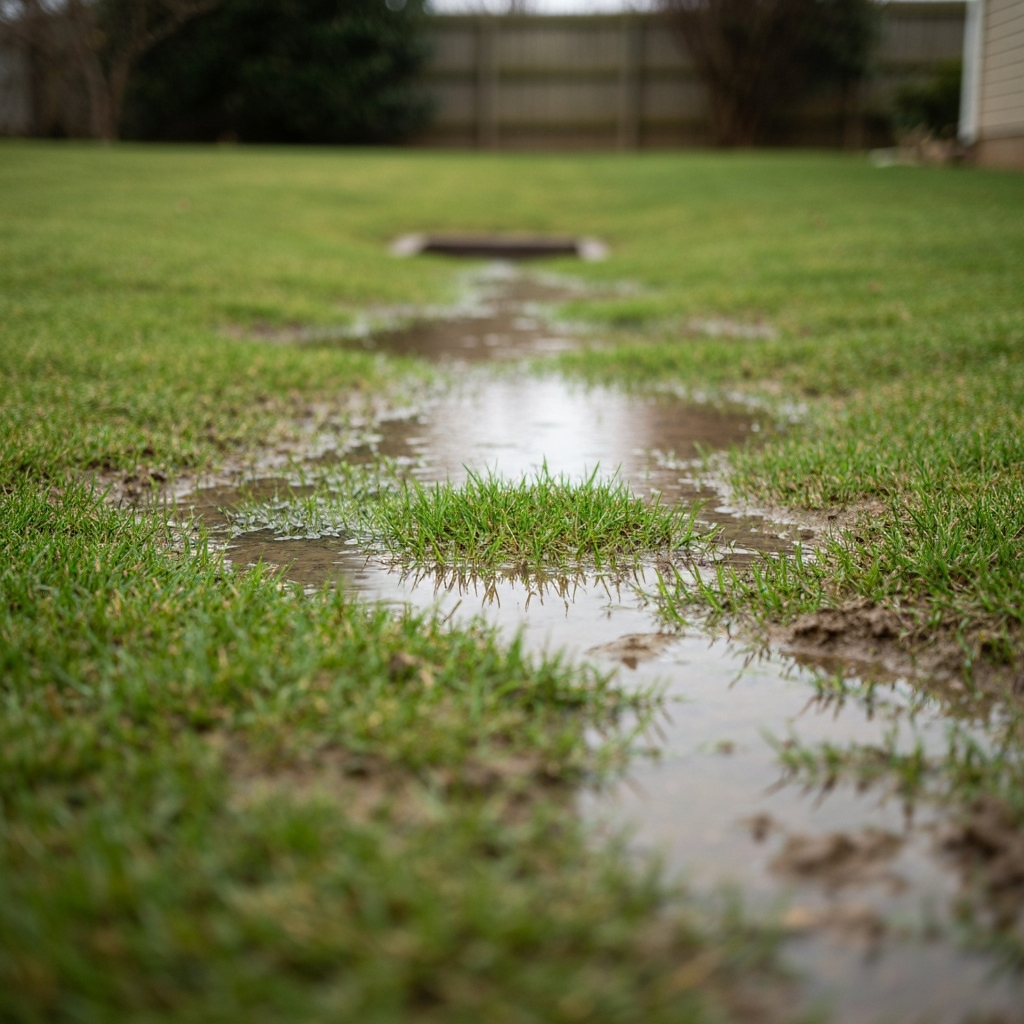
Why Is Your Drain Field Soggy or Smelly?
The drain field is where your septic system quietly does its last job — releasing treated wastewater into the soil, out of sight, with normal-looking ground on top. So when that ground turns soggy, mushy, or smelly, it's a clear signal that something's gone wrong. A soggy or smelly drain field is one of the more serious septic warnings, and knowing the causes is what makes it clear why it needs fast attention. Here's what's behind it.
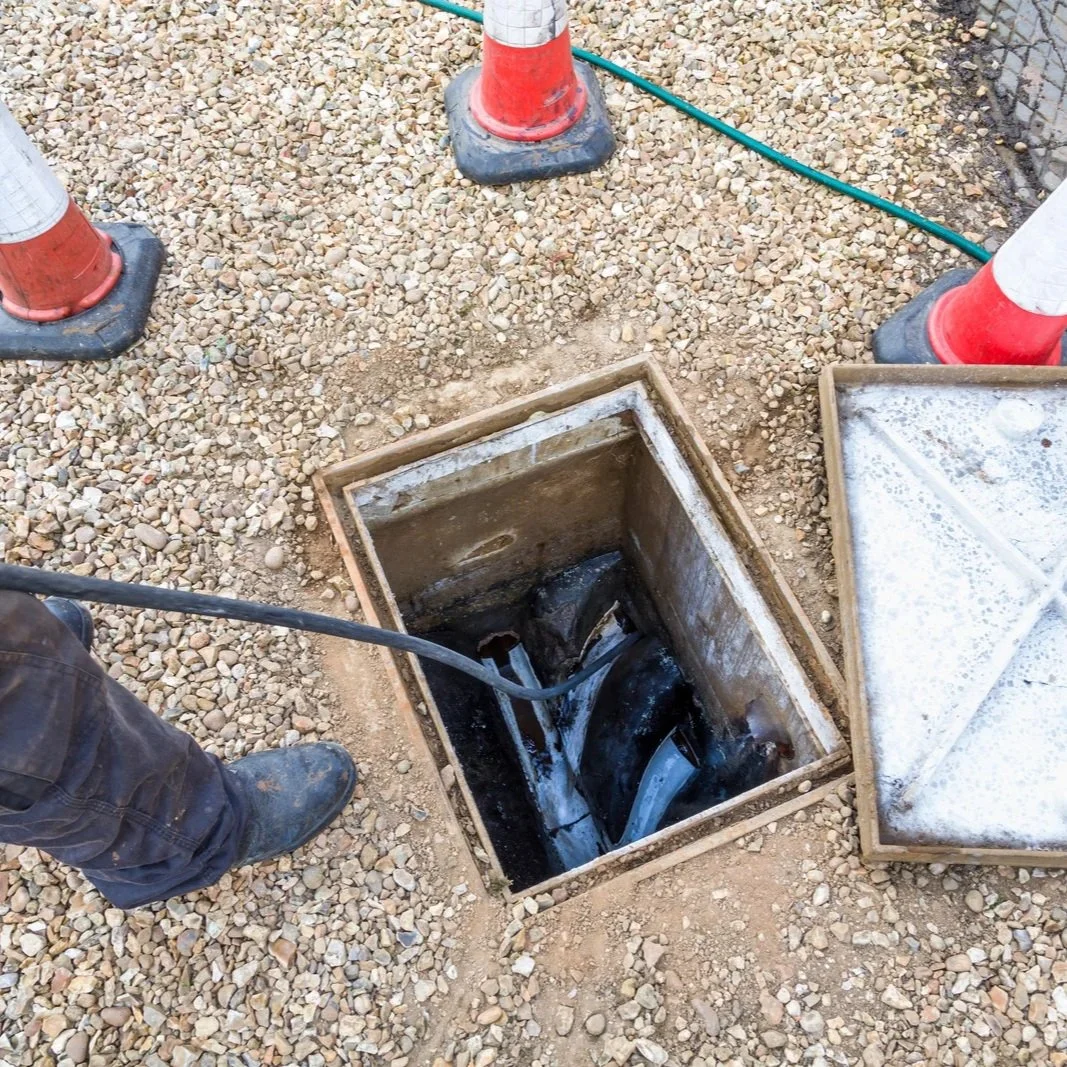
How Drain Field Rejuvenation Works and When It's Worth It
Rejuvenation focuses on interrupting that process before the soil structure collapses completely.